
A dramatic legal battle is unfolding after an Illinois woman’s viral claim of being unlawfully detained by immigration authorities unraveled — with officials now alleging the entire story was fabricated.
At the center of the controversy is Sundas “Sunny” Naqvi, 28, who made national headlines after claiming she had been detained by ICE for nearly two days following her return from an international trip. Her story quickly gained traction, drawing public outrage and support from local leaders, including a Cook County commissioner who publicly backed her account.
But according to a newly filed $1 million defamation lawsuit, the truth may be far different.
As first reported in the original article, Dodge County Sheriff Dale Schmidt is now suing Naqvi and others, alleging that her claims were not only false but damaging to his office’s reputation. The lawsuit argues that Naqvi was never detained — and instead spent that time at a hotel near Chicago’s O’Hare International Airport.
Naqvi had claimed that after landing in the U.S. on March 5, she was held for nearly 30 hours at the airport, then transferred between facilities, ultimately ending up at a jail in Wisconsin before being released. The story painted a troubling picture of wrongful detention and sparked widespread concern.
However, federal officials quickly pushed back.
The Department of Homeland Security (DHS) released statements and surveillance footage showing Naqvi entering a secondary inspection area at the airport — a routine procedure — and leaving within about 90 minutes. Officials insisted she was never taken into custody or transferred to ICE detention.
Local authorities in Wisconsin also confirmed they had no record of Naqvi ever being booked or held at their facility.
Now, new evidence presented in the lawsuit paints an even more detailed picture.
According to Sheriff Schmidt, records show Naqvi checked into a Hampton Inn just minutes from the airportshortly after her arrival. Text messages and receipts allegedly reveal she spent the following days enjoying spa treatments, meals, and gym visits.
In one message cited by investigators, Naqvi reportedly asked, “May I use your card to pay my spa lady?” — while another referenced ordering food and heading to the gym.
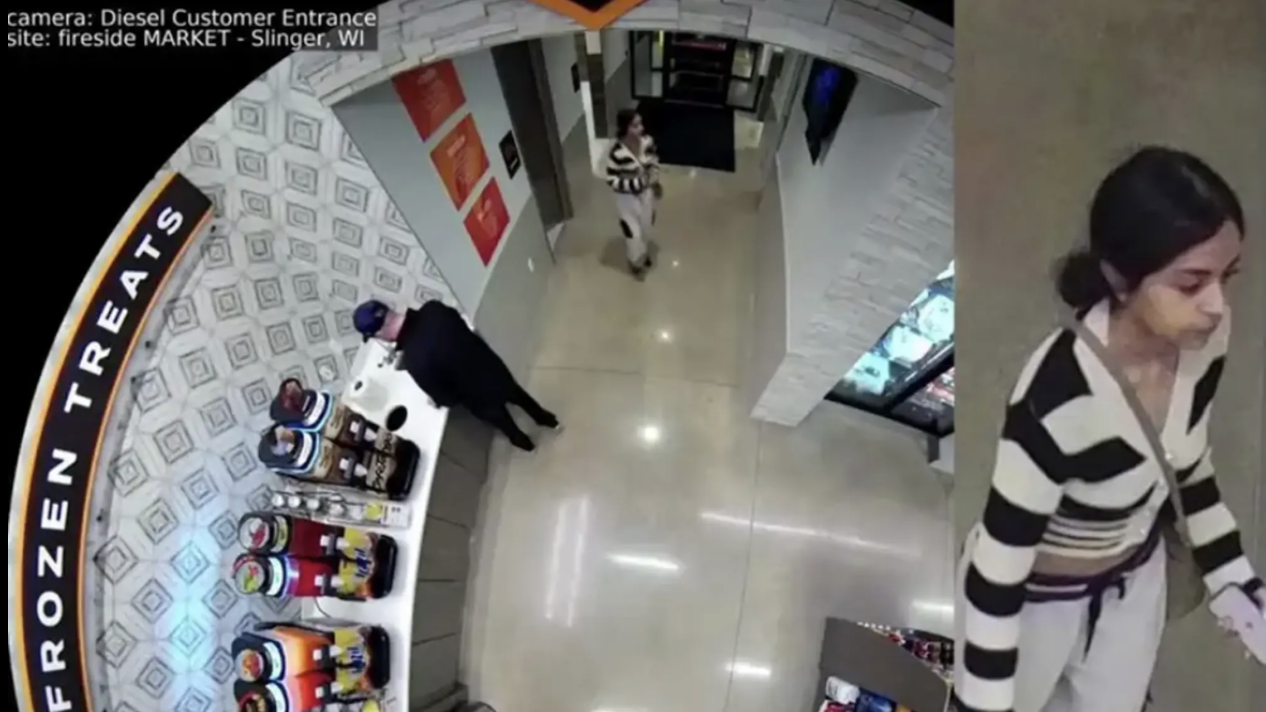
Surveillance footage also appears to place her at a gas station during the time she claimed to be detained, wearing the same clothing later seen in photos shared online after her supposed “release.”

Despite these contradictions, the Cook County official who supported Naqvi initially doubled down on her claims, even accusing authorities of a cover-up.
The fallout has been significant.
Sheriff Schmidt’s lawsuit seeks damages for “reputational harm,” arguing that the widely circulated claims unfairly damaged trust in law enforcement — particularly as he prepares for an upcoming election.
“This is about accountability,” the sheriff’s legal team said, emphasizing that the allegations were amplified nationally without basic verification.
While no criminal charges have been filed, the civil case could have major consequences for those involved.
The situation has also sparked broader discussions about the power of viral claims, the role of public officials in amplifying them, and the importance of fact-checking before spreading serious allegations.
As the case moves forward, key questions remain: Why was the story told in the first place? And how did it gain so much traction so quickly?
For now, what began as a shocking claim of wrongful detention has turned into a high-stakes legal fight — one that could reshape reputations and raise new concerns about truth in the digital age.



