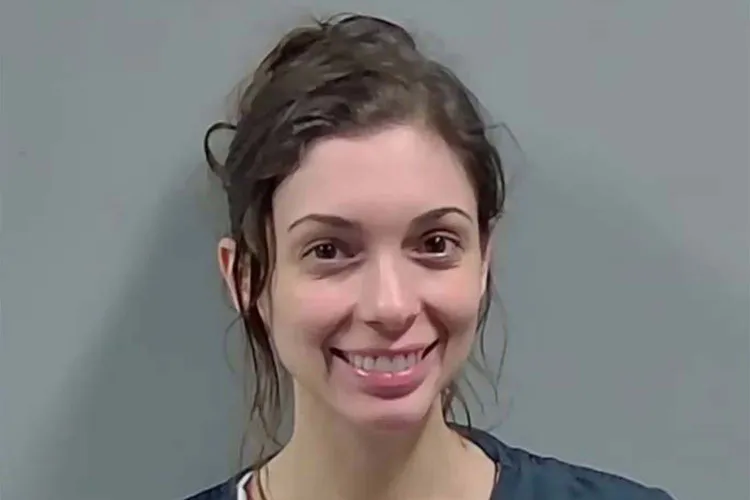
In a case that feels equal parts surreal and unsettling, a Florida woman is facing felony charges after police say she turned two short-term rental homes into scenes of deliberate and costly destruction — all while allegedly filming the acts for profit.
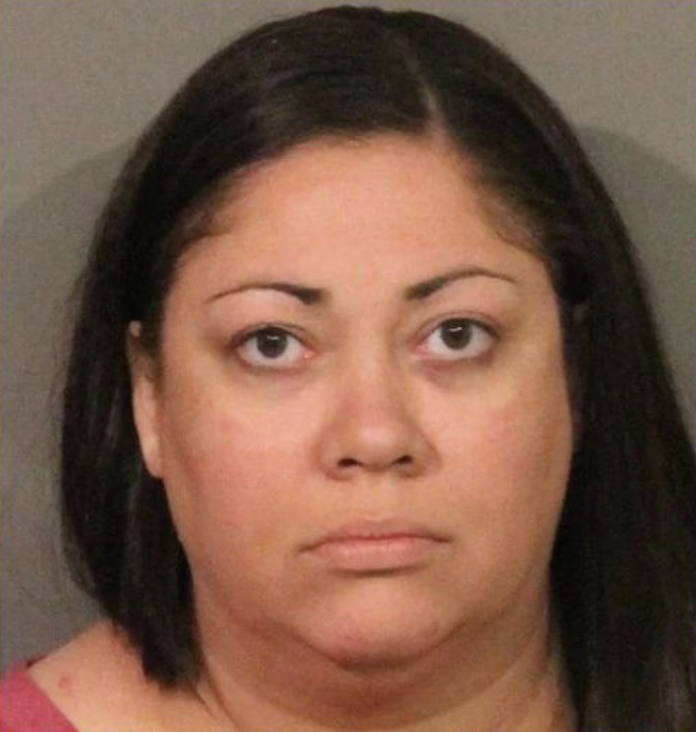
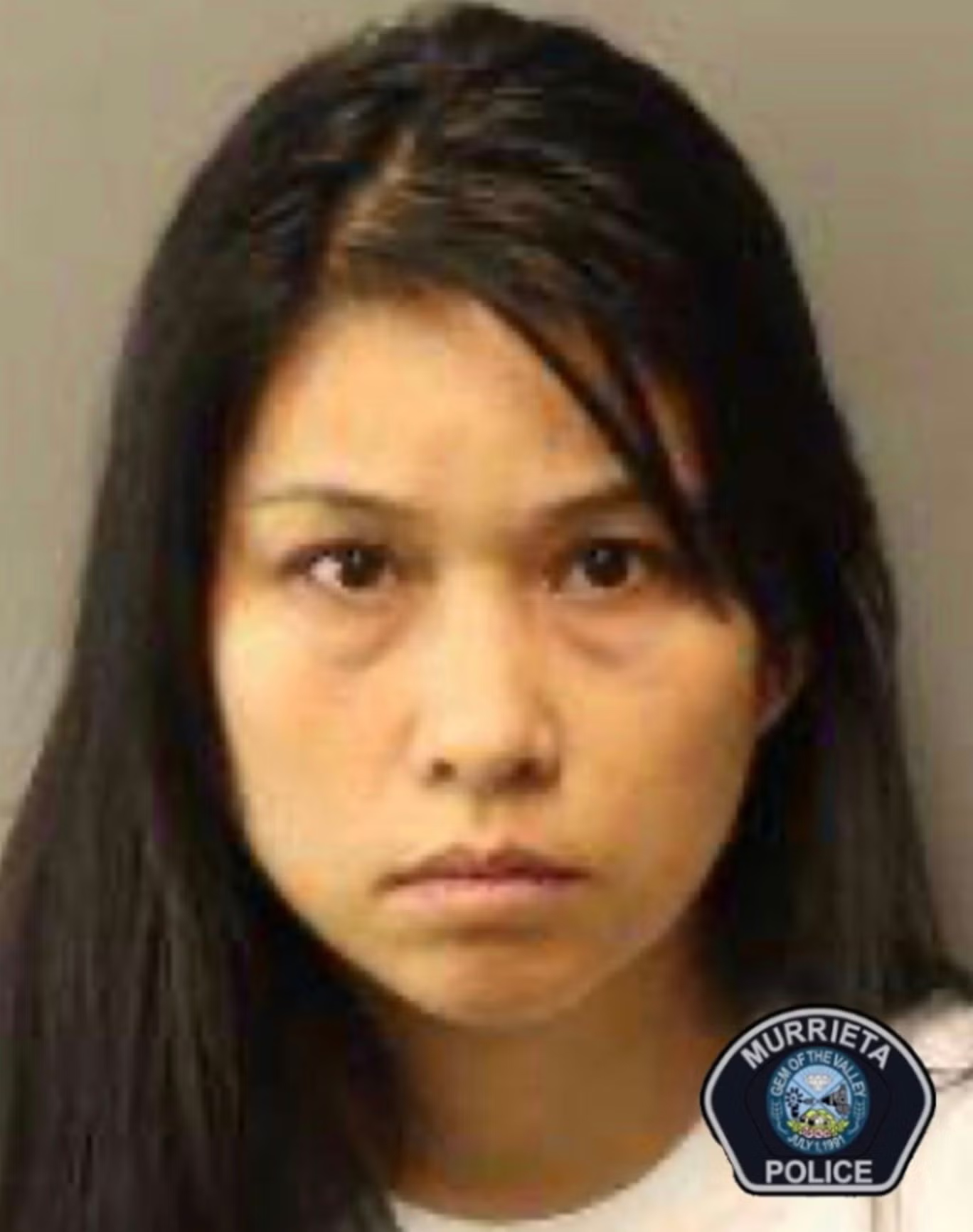
Nicolette Keough, 31, of Pensacola, has been charged with felony criminal mischief following an investigation into thousands of dollars in damage reported across two Airbnb properties on the same street. According to the Pensacola Police Department, the case began with a complaint that quickly escalated from unusual to deeply disturbing.
On March 15, a property owner contacted authorities after receiving information that Keough had allegedly urinated on multiple items inside one of her rental homes. When the owner inspected the property, she reported a strong and unmistakable odor lingering throughout the space — a sign, police say, of intentional damage rather than an isolated incident.
But the most jarring discovery came online.
According to arrest documents, the owner located videos posted to an adult content website showing a woman — later identified as Keough — engaging in the acts inside the Airbnb. Investigators say the footage appears to document the destruction as it happened, transforming what might have been dismissed as vandalism into something more calculated.
Police allege the behavior was not confined to a single property.
Authorities say Keough also targeted a second Airbnb owned by the same host, located on the same street. Inside, the damage was extensive. A list compiled in the police report reads like an inventory of a carefully curated home brought to ruin: an antique Crown Royal chair, a typewriter, multiple dining room chairs, a coffee maker, a bed, a television, a record player, a toaster, an electric fireplace — even the rug beneath it all.
Altogether, the damage exceeded $3,000, elevating the charge to a felony.
For the property owner, the aftermath was both financial and deeply personal. Short-term rentals often rely on the promise of trust — that strangers can pass through a space without leaving it fundamentally altered. In this case, police say that trust was not just broken, but exploited.
Pensacola Police public information officer Mike Wood told local outlets that investigators believe Keough was motivated by money, allegedly uploading the videos to generate income. The suggestion reframes the incident in stark terms: not a moment of recklessness, but a deliberate act designed for an audience.
Keough was arrested after police made contact with her during the investigation. She has since been released on bond. It remains unclear whether she has secured legal representation.
Airbnb, the platform through which the properties were rented, responded swiftly once the allegations surfaced. In a statement, a spokesperson said the company had removed Keough from the platform and was assisting the host through its AirCover damage protection program.
“This kind of behavior has no place on Airbnb,” the spokesperson said, emphasizing that incidents of this nature are rare.
Still, for hosts, the case taps into a persistent anxiety — the vulnerability of opening one’s home to strangers in an increasingly transactional economy. Platforms promise protection, but incidents like this reveal the limits of those safeguards once damage has already been done.
There is also something distinctly modern in the alleged motive. The intersection of personal property, online content, and monetization creates a landscape where the boundaries between private space and public performance blur. What was once confined to a closed door can now be broadcast, packaged, and sold.