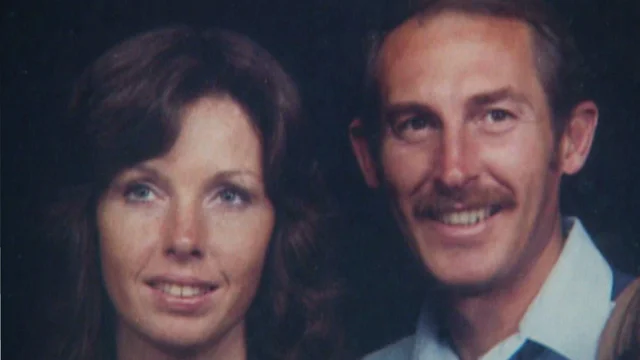
Dona Drake, born Eunice Westmoreland, was an actress, singer, and dancer who graced Hollywood with her unique charm and talent in the mid-20th century. Her career was characterized by notable performances in film, television, and music, but her life story is equally compelling, marked by her determination to succeed in an industry that often demanded reinvention and compromise.
Early Life and Background
Dona Drake was born on November 15, 1914, in Miami, Florida. Her birth name was Eunice Westmoreland, and she grew up in a family with African American and mixed-race ancestry. As a young girl, she demonstrated a natural talent for performing, excelling in singing and dancing. However, the racial dynamics of early 20th-century America, especially in the entertainment industry, presented significant challenges for someone of her background. These challenges would later influence her decision to reinvent her public persona.
Reinventing Herself: Becoming Dona Drake
In the 1930s, when Drake began pursuing a career in entertainment, Hollywood was not an inclusive space for women of color. To navigate these limitations, she adopted a new identity, presenting herself as a Latina performer. Changing her name from Una Villon to Rita Rio then Rita Shaw, before landing on Dona Drake. She crafted a persona that allowed her to break into mainstream entertainment while concealing her African American heritage.
This reinvention, though controversial by modern standards, was a calculated move to achieve success in a racially segregated industry. It allowed her to access roles that would have otherwise been denied to her and positioned her as an exotic talent, a trope that Hollywood often embraced during that era.
Early Career: Music and Dance
Dona Drake’s career began in music and dance. She joined an all-girl orchestra led by Phil Spitalny, a popular bandleader of the time, and gained recognition for her vibrant performances. Her voice, stage presence, and dancing skills caught the attention of entertainment industry insiders, paving the way for her transition into film.
In the late 1930s and early 1940s, Drake appeared in musical shorts and variety shows, showcasing her talents as a singer and dancer. These early performances established her reputation as a multi-talented entertainer and opened doors to larger opportunities in Hollywood.
Hollywood Breakthrough
Drake’s breakthrough in Hollywood came when she landed supporting roles in films that highlighted her talent and beauty. In 1941, she appeared in the musical comedy Aloma of the South Seas, a film that played on exotic themes and featured her in a role that capitalized on her manufactured Latina identity. Her portrayal in such films often placed her in stereotypical roles, but they provided her with the visibility she needed to advance her career.
One of her most notable roles was in Beyond the Forest (1949), where she shared the screen with Bette Davis. Her performances in romantic comedies and musicals showcased her comedic timing and ability to bring warmth to her characters, making her a beloved figure among audiences.
Collaboration with Bob Hope
Dona Drake’s career also included a memorable collaboration with legendary comedian Bob Hope. She appeared alongside him in Road to Morocco (1942), part of the iconic “Road to…” series of films. Her role in the film, though supporting, allowed her to demonstrate her comedic skills and charm, further solidifying her place in Hollywood.
Challenges in Hollywood
Despite her successes, Dona Drake faced challenges that many women in Hollywood encountered, particularly those who did not fit the traditional mold of a leading lady. Her roles were often limited by the industry’s narrow standards, and her career never quite reached the heights of her contemporaries. Additionally, maintaining her adopted identity placed a personal strain on her, as it required her to distance herself from her true heritage.
Hollywood’s emphasis on typecasting also meant that Drake was frequently relegated to roles that exoticized her, reflecting the racial and cultural biases of the era. These limitations, while frustrating, did not diminish her contributions to the entertainment industry or her ability to connect with audiences.
Personal Life
In 1944, Dona Drake married Academy Award-winning costume designer William Travilla, best known for creating Marilyn Monroe’s iconic white dress in The Seven Year Itch. The couple had one daughter, Nia, and their marriage was marked by mutual respect and admiration. Travilla supported Drake’s career, and their relationship offered her stability in an industry known for its tumultuous personal lives.
Later Career and Legacy
As Hollywood evolved in the 1950s, Dona Drake’s film appearances became less frequent. She transitioned to television, appearing in guest roles on popular shows. Though her career began to wane, her earlier work continued to resonate with audiences, and she remained a beloved figure among fans of classic Hollywood.
Dona Drake passed away on June 20, 1989, at the age of 74. Her life and career remain a testament to the complexities of navigating identity, talent, and opportunity in a challenging industry. While her choice to adopt a different identity has been the subject of discussion, it also highlights the barriers faced by women of color in the entertainment world and the lengths they often went to in order to achieve success.
Reflection on Her Legacy
Dona Drake’s story is both inspiring and thought-provoking. She was a trailblazer who used her talents and determination to carve out a place for herself in Hollywood during a time when opportunities for women, especially women of color, were scarce. Her ability to adapt and thrive in an industry that often imposed rigid expectations on performers speaks to her resilience and ingenuity.
Today, as Hollywood continues to grapple with issues of representation and inclusivity, Dona Drake’s life serves as a reminder of the progress that has been made and the work that still needs to be done. Her contributions to film, music, and television may not have always received the recognition they deserved, but her legacy endures as a symbol of perseverance and artistry.
Final Thoughts
Dona Drake was more than a Hollywood star; she was a pioneer who navigated a complex and often unforgiving industry with grace and talent. Her story reflects the broader struggles and triumphs of women in entertainment, particularly those who faced additional barriers due to their heritage. As we celebrate her achievements, we also acknowledge the resilience and courage it took for her to pursue her dreams and leave an indelible mark on the world of entertainment.