
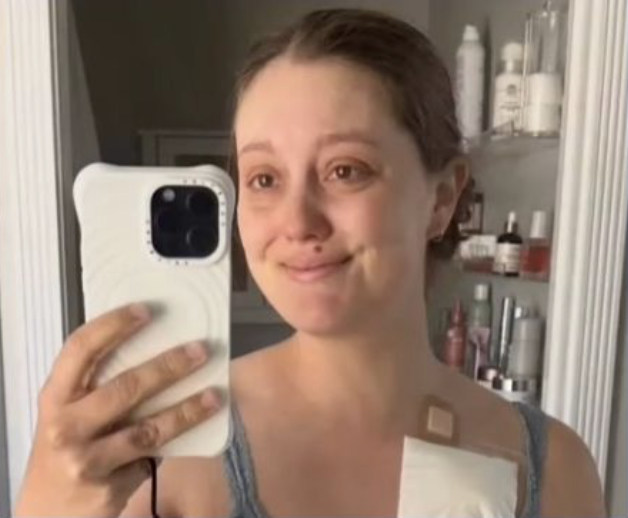
A shocking deception case out of Nevada is drawing national attention after a woman admitted to faking a terminal cancer diagnosis—not only to gain financial support, but to manipulate the emotions of those closest to her, including real cancer survivors.
According to reporting from local news outlets, Haleigh Knight, a woman from Henderson, Nevada, pleaded guilty to a felony theft charge after authorities say she orchestrated an elaborate scheme in which she pretended to suffer from pancreatic cancer. The deception, which spanned nearly a year, reportedly brought in more than $20,000 through GoFundMe donations and direct contributions from sympathetic friends, family, and even strangers.
But what has left many stunned is not just the financial fraud—it’s the deeply personal betrayal behind it.
Among Knight’s victims is Suzanne Duroy, a real-life breast cancer survivor who endured extensive treatment, including surgeries, chemotherapy, and radiation. Moved by Knight’s story, Duroy stepped in as what she described as a “chemo angel,” offering emotional support, advice, and nearly $1,000 in gifts and financial help.
“I felt heartbroken for her,” Duroy said in a local interview, describing how she spent hours on the phone with Knight, sharing her own painful experiences in hopes of helping someone she believed was facing the same battle.
Instead, investigators say Knight was fabricating everything.

Court documents reveal that Knight admitted to creating fake personas, sending manipulative text messages, and even staging photos with bandages to make her illness appear real. In messages uncovered by investigators, she reportedly confessed that she carried out the scheme so others would feel “guilty” and therefore more likely to show her love and attention.
In one particularly disturbing detail, prosecutors say Knight described her methods as being carried out “very very sneakily,” highlighting the calculated nature of the deception.
Multiple victims have since come forward, describing feelings of shock, anger, and emotional devastation. One victim, Rachel Riedel, didn’t hold back, calling Knight a “sociopath” and warning others about her ability to manipulate anyone who got close.
Others expressed heartbreak not just over the money lost, but over the trust that was shattered. Many of those targeted were not strangers—they were friends, supporters, and individuals who would have willingly helped Knight had she been honest about her struggles.
Authorities say Knight used the funds to cover personal expenses and provide for her children, rather than any medical treatment. As part of her plea agreement, she has been ordered to pay nearly $20,000 in restitution to her victims.
Knight is scheduled to be sentenced in late June. Under the terms of her deal, she may be allowed to reduce her charge to a misdemeanor if she fully repays the money and complies with probation requirements.
The case has sparked broader conversations about online fundraising, emotional manipulation, and the exploitation of serious illnesses for personal gain. For survivors like Duroy, the damage goes far beyond financial loss.
“What she’s done… is absolutely terrible,” Duroy said, reflecting a sentiment shared by many.
As the story continues to unfold, it stands as a chilling reminder of how trust and compassion—especially surrounding life-threatening illnesses—can be weaponized in deeply unsettling ways.



