
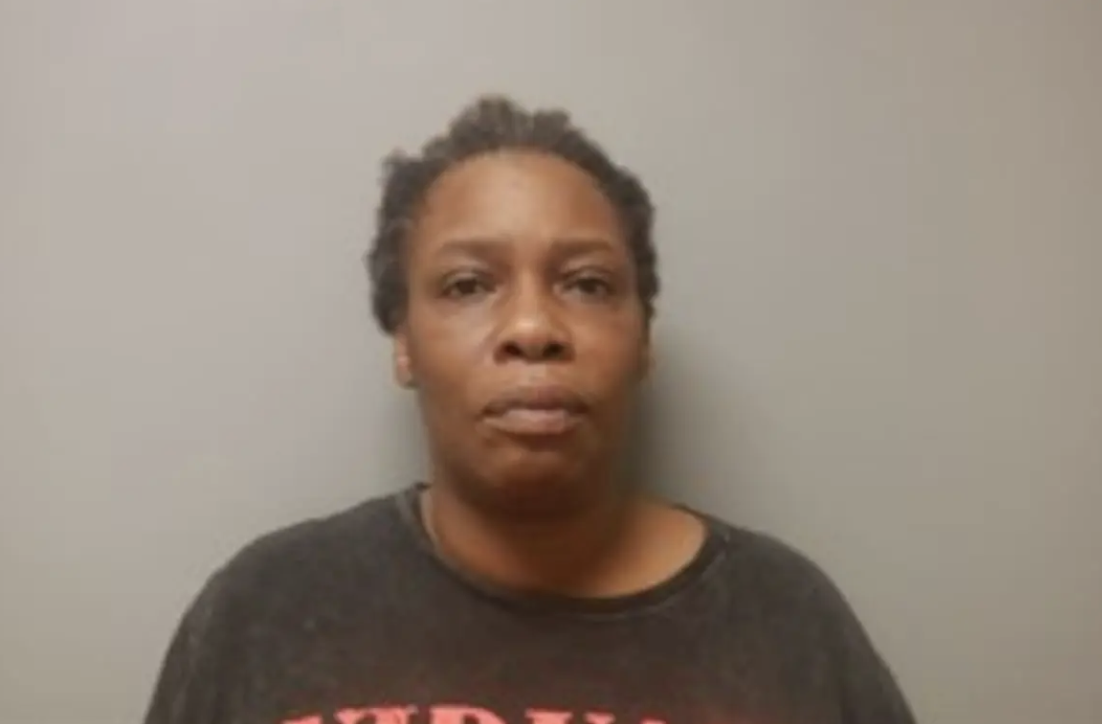
A payroll mistake turned into a criminal case after an Arkansas woman allegedly refused to return nearly $20,000 she wasn’t supposed to receive.
A 50-year-old Arkansas woman is now facing a felony theft charge after authorities say she kept — and spent — a large sum of money that was mistakenly deposited into her bank account by her employer. The unusual case, first reported by national outlets citing police documents, highlights how a simple payroll error can quickly escalate into a legal battle.
According to investigators, Rene Nichole Coleman was working for an in-home care company in Jonesboro, Arkansas, when a major error dramatically inflated her paycheck. Instead of earning her usual $16.50 per hour, Coleman was mistakenly paid an astonishing $1,650 per hour for a 12-hour shift.
The result? A deposit of approximately $19,388 into her account in May 2025 — nearly 100 times what she should have earned.

Authorities say the company quickly discovered the mistake and reached out to Coleman, requesting the return of the funds. But instead of complying, Coleman allegedly refused to give the money back, prompting the employer to file a theft report with local police.
Investigators backed the claim with financial records and communications, and the situation soon escalated into a criminal investigation.
When questioned, Coleman reportedly told her employer that the money had already been spent — specifically on repairs for her husband’s semi-truck. Police say she provided few additional details about how the funds were used.
In an attempt to resolve the matter, a detective contacted Coleman and arranged for her to come in for an interview. However, according to the affidavit, she never showed up, further complicating the case.
Eventually, a judge issued a warrant, and Coleman was formally charged with theft involving more than $5,000 but less than $25,000, a Class C felony under Arkansas law. She was later taken into custody in early April on a separate warrant before addressing the theft allegations.
After her arrest, Coleman agreed to speak with officers and reportedly admitted that she “didn’t pay attention and spent the money.” She also claimed she later attempted to repay her former employer, though authorities have not confirmed whether any funds were actually returned.
Her bond was set at $15,000, and she is scheduled to appear in court in mid-May, where the case will be formally addressed.
Legal experts note that situations like this often hinge on intent — specifically whether the recipient knowingly kept money they were not entitled to. While payroll errors are not uncommon, failing to return overpayments can carry serious legal consequences.
For now, what began as a clerical mistake has turned into a high-stakes legal case — one that underscores the risks of spending money that isn’t yours, even if it shows up unexpectedly.



