
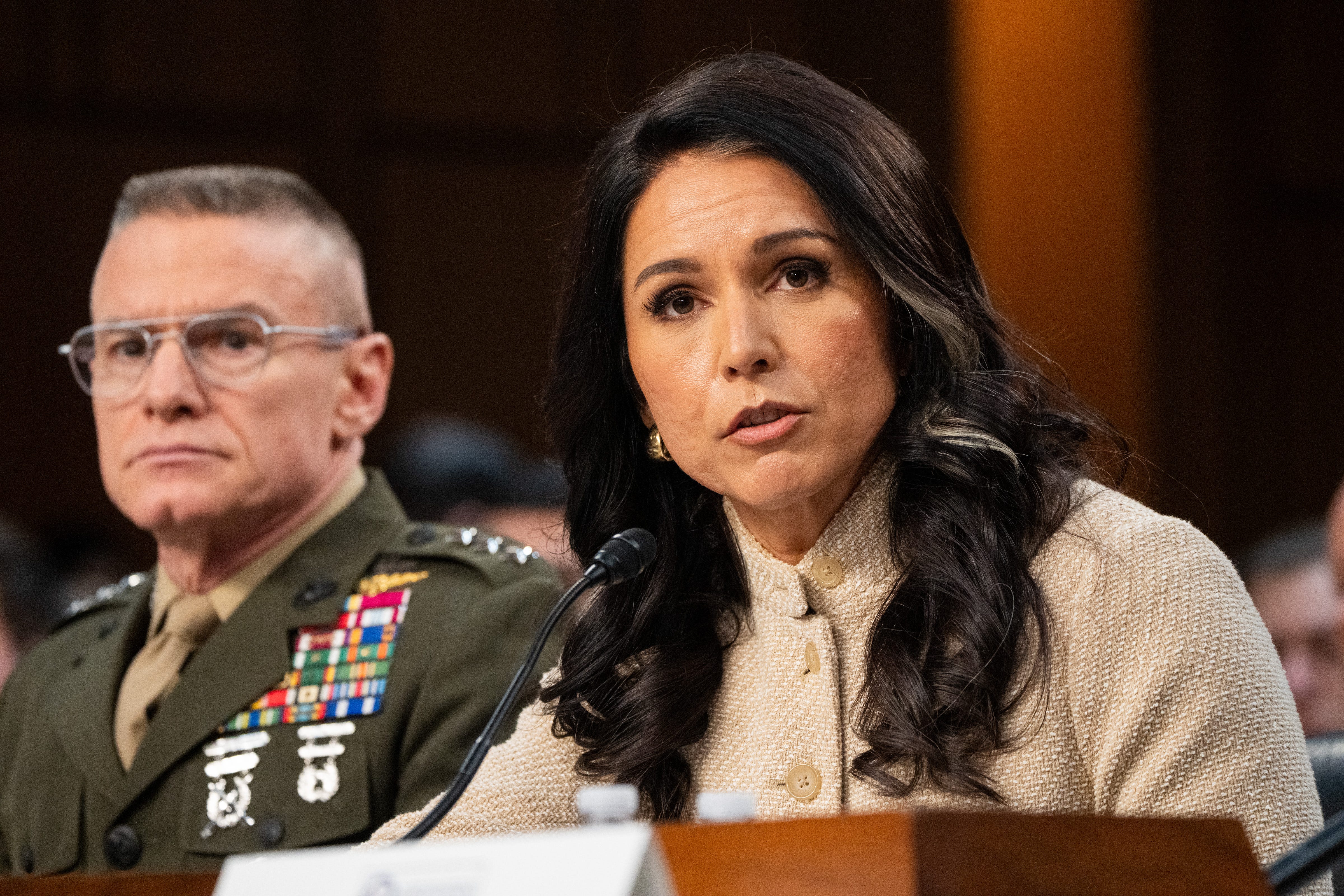
A high-profile political figure is at the center of a growing storm in Washington, as debate intensifies over transparency, intelligence agencies, and the future of classified information.
Tulsi Gabbard, currently serving as Director of National Intelligence, has become a lightning rod for controversy as she pushes forward with efforts to declassify sensitive government materials—a move that supporters say promotes accountability, but critics argue could carry significant risks.
In recent months, Gabbard has faced a wave of media scrutiny and political pressure, with multiple reports questioning her leadership and suggesting possible internal tensions within the administration. However, according to commentary outlined by New York Post columnist Miranda Devine, Gabbard has remained focused on her mission despite the mounting criticism.
At the core of the debate is Gabbard’s effort to release classified intelligence documents tied to past political investigations, including issues surrounding Russian election interference, Ukraine-related inquiries, and other controversial topics. Proponents of her approach argue that increased transparency could shed light on past government actions and restore public trust.
However, these efforts have reportedly encountered resistance from within the intelligence community itself.

According to the opinion piece, internal disagreements have surfaced between Gabbard’s office and agencies such as the FBI and CIA, with concerns raised about how declassification could impact national security, intelligence methods, and ongoing operations. These tensions have occasionally spilled into public view, highlighting the complex balance between transparency and security.
Adding to the pressure, the resignation of a senior intelligence official has fueled speculation about policy differences and internal divisions. While some critics have linked this to broader disagreements within the administration, others note that such shifts are not uncommon in high-level government roles.
Despite the challenges, Gabbard appears to retain public support from the president, who has acknowledged differences in perspective but continues to express confidence in her ability to serve in the role.
The broader conversation surrounding Gabbard’s actions reflects a deeper national debate: how much information should the government disclose, and what are the potential consequences of doing so?
Supporters of declassification argue that it can expose past mistakes or misconduct, ensuring accountability. Critics, on the other hand, warn that releasing sensitive material could compromise intelligence operations or politicize national security.
Meanwhile, additional document releases are reportedly expected, which could further intensify the discussion in Washington and beyond.
As the situation unfolds, Gabbard remains a central figure in a complex and highly charged issue—one that touches on government transparency, political accountability, and the inner workings of U.S. intelligence agencies.
For observers, the question is no longer just about one official’s actions, but about the broader implications of revealing—or withholding—the nation’s most closely guarded secrets.



