
A quiet Pennsylvania neighborhood has been rocked by a disturbing case that authorities say began with an act of kindness—and ended in a brutal killing.
Investigators allege that a 71-year-old homeowner, Ralph Brown, was murdered inside his own residence after allowing two individuals to stay with him temporarily. What was meant to be a short-term arrangement, officials say, spiraled into a deadly situation when Brown attempted to reclaim control of his home.
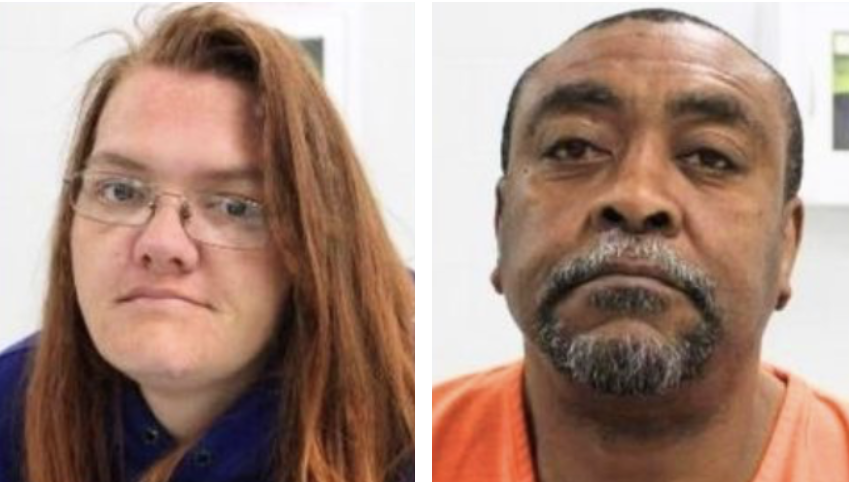
According to details outlined by local reporting, Brown had permitted Alysha Riggans, 30, and Terry Newland, 58, to live in his Uniontown home. However, prosecutors say the pair overstayed their welcome and effectively became squatters, making it increasingly difficult for Brown to remove them.
Fayette County District Attorney Michael Aubele described a situation that grew increasingly tense over time. The two occupants had reportedly established residency, complicating efforts to force them out. As disagreements escalated—particularly over money—investigators believe the conflict turned violent.
Authorities allege that the pair ultimately devised a plan to kill Brown.

According to statements referenced in court records, the attack occurred on April 1, when Brown returned home. Riggans reportedly told investigators that Newland stabbed the homeowner in the neck before striking him repeatedly with a table. The violence didn’t end there. Prosecutors say the suspects then restrained Brown, placing a bag over his head and binding his feet.
In a chilling sequence of events, Brown’s body was allegedly kept in the basement of the home for two days.
The case took another grim turn when authorities say the suspects attempted to dispose of the body. Early Saturday morning, Brown’s remains—wrapped in a blanket—were left near an active railway line. The body was discovered the following day, triggering a full-scale investigation.
When investigators arrived at Brown’s home, they immediately noticed signs that raised concern. According to officials, potential evidence, including suspected blood, was visible inside the residence. That discovery, combined with other investigative leads, quickly pointed authorities toward Riggans and Newland.
Further investigation revealed that money had allegedly been taken from Brown’s bank accounts after his death, adding theft-related charges to the case.

Both suspects were arrested and formally charged with criminal homicide, along with additional counts including evidence tampering and abuse of a corpse. Riggans also faces charges related to financial theft.
They have since appeared in court for a preliminary arraignment and are being held without bail. Their next court appearance is scheduled for later this month.
The case has left the Uniontown community stunned—not only because of the violence involved, but because of the circumstances leading up to it. A situation that began with a homeowner offering shelter has, according to prosecutors, ended in betrayal and extreme brutality.
For many, the story raises difficult questions about trust, personal safety, and the risks that can arise when informal living arrangements go wrong.
As the legal process moves forward, investigators continue to piece together the full timeline of events. Meanwhile, the community mourns the loss of a man whose generosity, authorities say, may have ultimately put him in harm’s way.



