
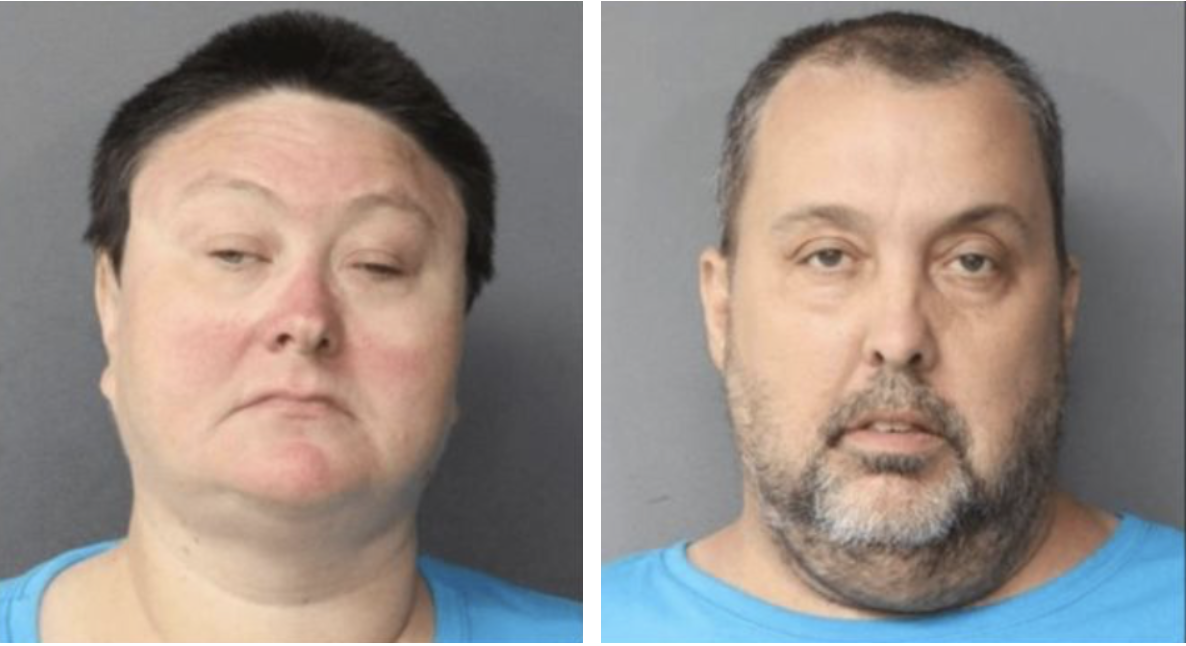
A Virginia case described by prosecutors as “truly shocking” is drawing national attention after a couple was sentenced for the brutal killing of a disabled man they had once claimed to be helping.
Kristie Lynch, 46, and her husband James Lynch, 53, will each serve 25 years in prison for the death of 45-year-old Jose Moreno, a man they had taken into their home after meeting him at church. The disturbing details of the case, first reported by local news outlets, reveal a pattern of escalating abuse that ended in a violent and prolonged attack.
According to prosecutors, Moreno, who relied on a walker due to a physical disability, moved in with the couple in 2022 because he had nowhere else to go. In exchange, he was expected to contribute part of his disability income toward rent and help with household chores.
But what began as an arrangement of support quickly turned into a system of control and punishment.
Authorities say the Lynches routinely “disciplined” Moreno if he failed to meet their expectations—whether that meant missing rent payments, not completing chores on time, or even speaking to his own family in Spanish. In those instances, prosecutors said he would be beaten and have his phone taken away.
The violence escalated in the days leading up to his death in August 2023.

Investigators say Moreno was repeatedly attacked with household objects, including a frying pan and a baseball bat. At one point, his head was struck with such force that it caused severe injuries. Despite his condition, the couple allegedly refused to seek medical help out of fear of legal consequences.
The final attack was especially brutal.
According to court documents, Moreno was beaten again before being strangled with a belt and a dog leash. An autopsy later determined that he died from a combination of blunt force trauma and strangulation.
Police responding to the apartment found a grim scene. Moreno’s body was discovered at the bottom of a staircase, partially covered, with visible injuries across his body. Blood was found throughout the residence, including on walls and ceilings—evidence, investigators said, of the prolonged and violent nature of the assault.
Even after Moreno died, authorities say the couple waited two days before contacting emergency services. It was only after speaking with a pastor that they finally called 911.
In court, prosecutors emphasized the sustained nature of the violence.
“This was not a momentary act,” one official noted, describing the killing as requiring “a sustained determination to inflict pain.”
James Lynch had previously pleaded guilty to second-degree murder, while Kristie Lynch was convicted by a jury of first-degree murder. Despite the different charges, both ultimately received the same 25-year sentence.
During sentencing, Kristie Lynch offered a brief statement expressing hope that Moreno’s family might one day forgive her. However, she has continued to deny direct responsibility for the killing.
The case has sparked outrage due to the vulnerability of the victim and the alleged betrayal of trust. Moreno had entered the home seeking stability and support—only to endure months of abuse that ultimately cost him his life.
For many, the story serves as a sobering reminder of how easily situations involving dependency and power imbalance can turn dangerous—and how critical it is to recognize and intervene in signs of ongoing abuse before it’s too late.



