
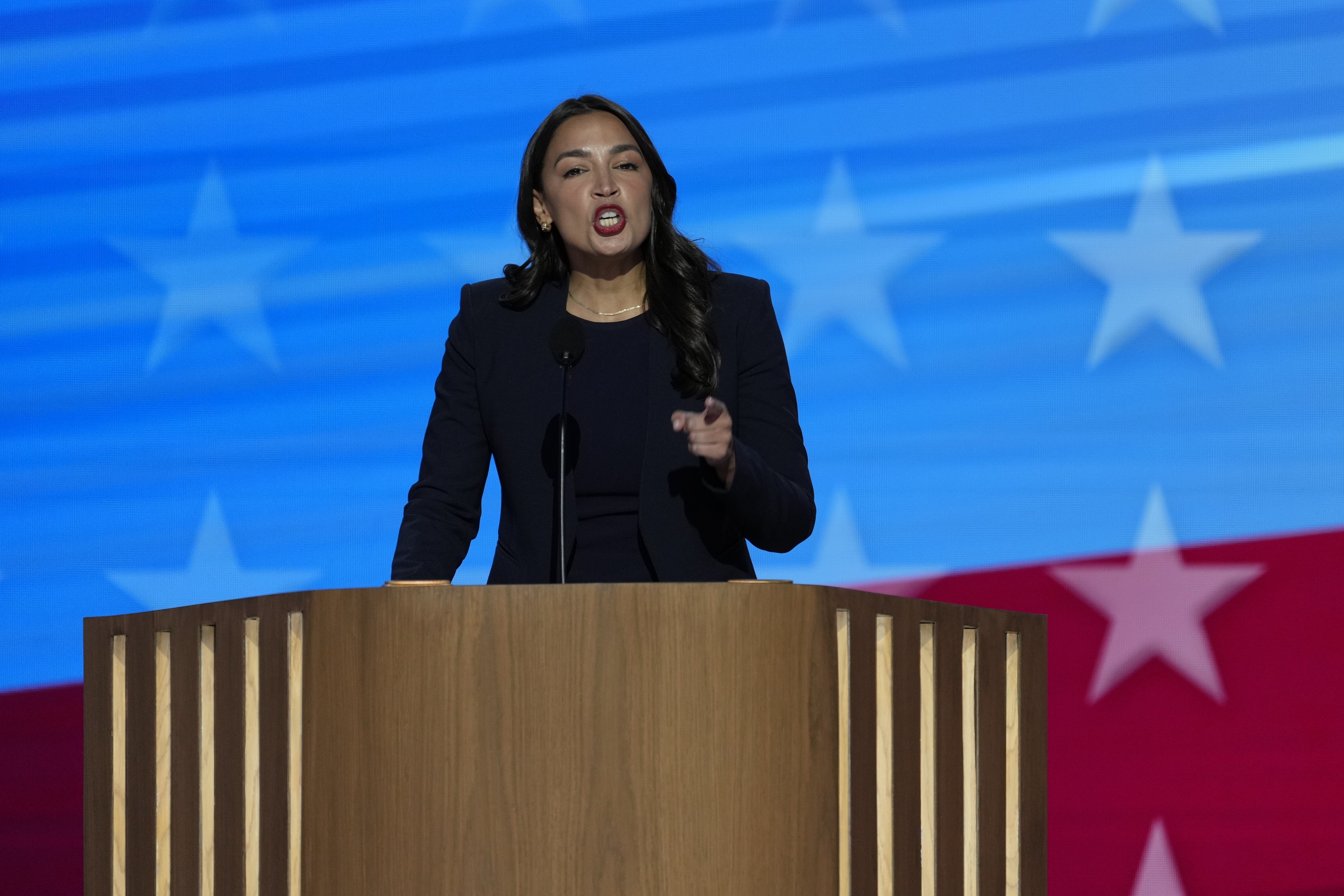
A major shift in U.S. political positioning is drawing national attention after Rep. Alexandria Ocasio-Cortez announced she will oppose all military aid to Israel—including funding for defensive systems like the Iron Dome—marking a significant reversal from her previous stance.
The New York congresswoman’s decision, highlighted by the New York Post, comes amid growing pressure from progressive activists and factions within her political base who have pushed for a tougher position on U.S. support for Israel.
Ocasio-Cortez had previously supported funding for Israel’s Iron Dome, a missile defense system widely credited with intercepting rockets and protecting civilians. While she had long voiced concerns about broader military aid, her willingness to back defensive funding had set her apart from some on the far left who oppose all forms of assistance.
That position has now changed.

In a public statement, Ocasio-Cortez argued that Israel has the financial capacity to fund its own defense systems and suggested that continued U.S. military aid is inconsistent with concerns about international law and human rights. She emphasized that taxpayer dollars should not be used to support governments she believes are not adhering to those standards.
Her comments reflect a broader shift within certain segments of the Democratic Party, where criticism of Israel has become more pronounced in recent years—particularly among younger and more progressive voters.
The decision did not come without internal tension.
Ocasio-Cortez had faced criticism from progressive commentators and activists who viewed her earlier support for Iron Dome funding as contradictory to her broader messaging on foreign policy and human rights. Public disagreements, including a recent online clash with a prominent political commentator, underscored the pressure she has been under to take a more definitive stance.
The issue has also surfaced at public events, where she has faced vocal criticism from some supporters who believe she had not gone far enough in opposing aid.
Her recent remarks reportedly came during a virtual event tied to a progressive political organization’s endorsement process—highlighting how internal party dynamics and activist expectations can influence policy positions.
The shift also comes at a time when U.S.-Israel relations and foreign aid policies are under increasing scrutiny. Israel’s leadership has signaled interest in reducing reliance on American military support, while debates continue in Washington over the conditions and scope of foreign assistance.
Ocasio-Cortez pointed to Israel’s defense budget and economic capacity as factors in her decision, suggesting that allies with significant resources should shoulder more of their own defense costs.
The move is likely to spark strong reactions across the political spectrum. Supporters may view it as a principled stand aligned with evolving views on foreign policy, while critics are expected to argue that it undermines a longstanding alliance and could impact regional security.
As discussions around global conflicts, military aid, and U.S. foreign policy continue to evolve, Ocasio-Cortez’s reversal signals a notable moment—one that reflects shifting priorities within parts of American politics and raises questions about the future direction of U.S. support for its allies.
With speculation already swirling about her potential future ambitions, including higher office, her stance on international issues may play an increasingly central role in shaping both her political identity and the broader debate.



