
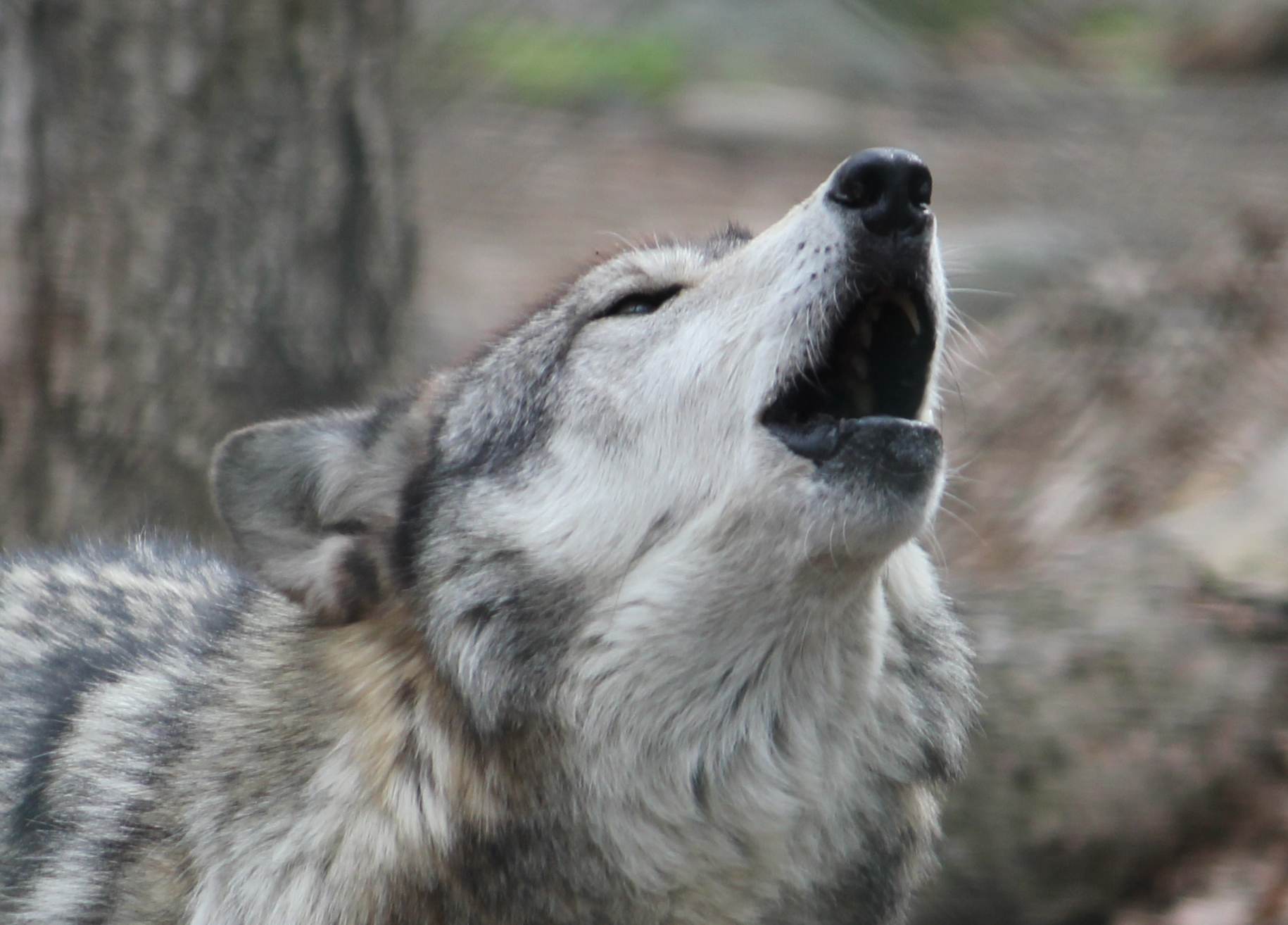
A routine day in a crowded shopping district turned surreal—and briefly terrifying—when a wild wolf attacked a woman in the heart of Hamburg, marking the first known incident of its kind since the species was reintroduced to the country nearly three decades ago.
The attack unfolded on March 31 near Altona station, along Grosse Bergstrasse, a busy commercial street lined with shops and foot traffic. Witnesses described a chaotic scene as the animal—later identified as a wolf—moved erratically through the area.
According to local reports, the wolf appeared disoriented, repeatedly running into a glass window before encountering the woman. In an attempt to guide the animal away from the crowded street, she approached it—an act that quickly turned dangerous.
The wolf bit her in the face.
Emergency responders treated the woman at the scene before transporting her to a hospital, where she received stitches. She has since been discharged.
Authorities say the encounter is highly unusual.
Wolves were reintroduced to Germany in the late 1990s after being absent for more than a century. Since their return, the animals have largely avoided human contact, making direct attacks exceedingly rare.
“This is the first known case like this since the reintroduction began,” officials told German media, underscoring just how unexpected the incident was.
But the danger did not end with the bite.
After the attack, the wolf fled deeper into the city, wandering for hours through urban streets before eventually reaching the area around Binnenalster. There, authorities attempted to contain the animal.
What followed was a tense and unusual capture effort.
Police initially managed to pull the wolf from the water using a rope, but the animal broke free and escaped again, prolonging the search for nearly an hour. Eventually, it was subdued and taken into custody.
The wolf has since been transferred to Klövensteen Wildlife Park, where it is being evaluated by experts. Officials say the animal appeared highly stressed and frightened throughout the ordeal.
“The wolf is currently very scared and stressed,” said a representative from a wildlife conservation center, who recommended that it be released back into a sparsely populated area once veterinarians confirm it is healthy.
The incident has reignited discussion in Germany about the growing presence of wolves—and the challenges of balancing conservation with public safety.
While attacks on humans remain extraordinarily rare, conflicts involving livestock have increased in recent years as wolf populations have expanded. In response, Germany has already taken steps to make it easier for farmers to shoot wolves that threaten animals.
At the European level, lawmakers have also begun reevaluating protections for the species, reflecting shifting attitudes as wolves return to landscapes they once inhabited centuries ago.
Still, experts emphasize that incidents like the one in Hamburg are anomalies.



