
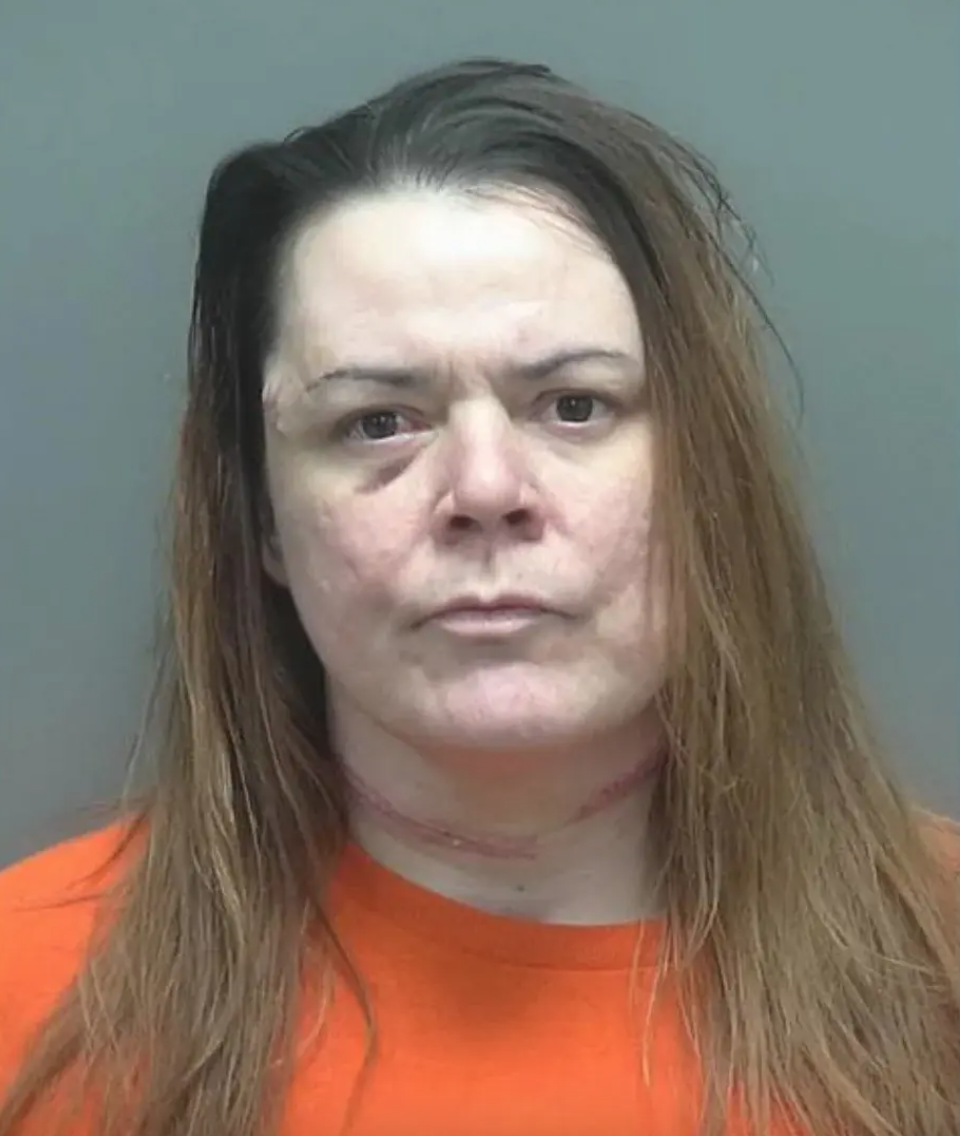
A Wisconsin mother accused of killing her teenage daughter told police she did it to protect the girl from Elon Musk—a claim investigators say was fueled by drugs and delusion.
Tyiece Oninski, of the Town of Turtle in Rock County, is accused of stabbing her 14-year-old daughter, Kuren Rein, to death inside their home on the night of March 19. According to a criminal complaint, Oninski herself called authorities the following day and confessed to the killing in a 13-minute 911 call that prosecutors describe as both chilling and surreal.
During the call, Oninski allegedly told dispatchers she had acted to “protect her from somebody else.” When pressed, she named Musk as the perceived threat.
At one point, the dispatcher asked whether emergency responders should send an ambulance.
“She’s dead, honey,” Oninski reportedly replied. “She needs a hearse.”
When officers arrived at the home, they found Kuren Rein dead from multiple stab wounds. A knife believed to have been used in the attack was recovered at the scene.
Nearby, Oninski was discovered with cuts to her neck and wrists—injuries authorities say appeared to be self-inflicted in an apparent suicide attempt. She was transported to a hospital, where she remains under medical care.
Investigators say toxicology results revealed a mix of substances in her system, including benzodiazepines, amphetamines, and THC. Authorities have not yet determined how those substances may have influenced her mental state at the time of the killing, but the complaint suggests they played a role in what appears to have been a deeply distorted perception of reality.
The case has stunned the small Wisconsin community, not only for its brutality but for the bizarre motive described by the suspect.
There is no indication that Musk—who was not connected in any way to the family—had any involvement in or awareness of the situation. Instead, investigators believe Oninski’s statements reflect a delusional belief system that escalated into violence.
Following her hospitalization, Oninski reportedly asked officers whether her case had made the news. According to the complaint, she appeared disappointed when told it had not.
That detail, while brief, has become one of the most unsettling elements of the case—suggesting a disconnect not only from reality, but from the gravity of what had occurred.
Authorities have not released further information about the events leading up to the stabbing, including whether there had been prior signs of instability or intervention attempts. It also remains unclear whether Oninski had a documented history of mental health issues.
What is clear is that the violence unfolded inside a home that should have been a place of safety.
The loss of Kuren Rein—just 14 years old—has left behind a void that investigators say cannot be explained by logic alone. Cases involving familial violence often raise questions about warning signs, missed opportunities, and the intersection of mental health and substance use.

For now, the focus remains on the criminal proceedings ahead. Oninski is expected to face formal charges once she is released from the hospital, though prosecutors have not yet announced a timeline.
As the legal process begins, the details of what happened inside that Rock County home will likely come into sharper focus.
But for those trying to make sense of it, one fact remains stubborn and devastatingly simple: a young life was cut short, not by an external threat, but by someone who believed—however irrationally—that she was acting as a protector.



