
A growing controversy in Providence, Rhode Island, is putting art, politics, and public memory on a collision course following a high-profile tragedy that continues to spark debate nationwide.
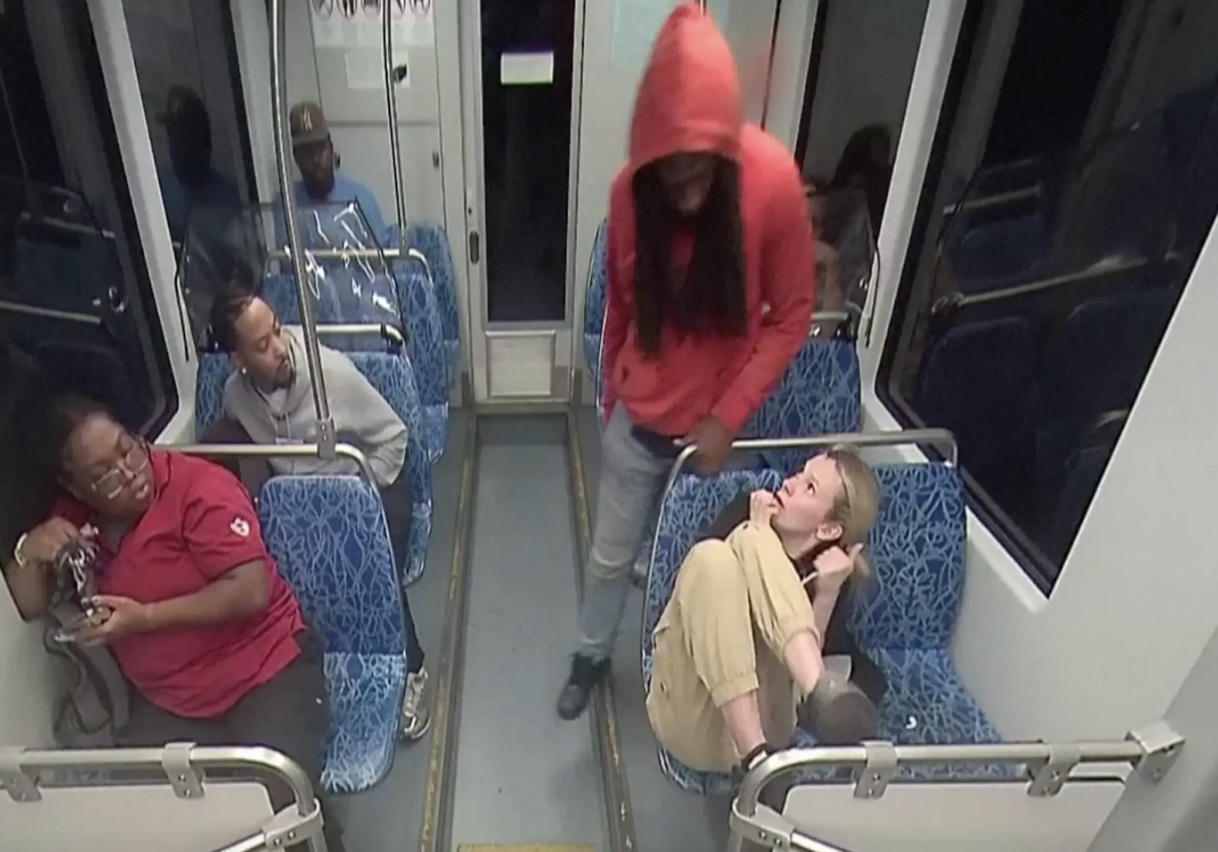
At the center of the dispute is a mural honoring Iryna Zarutska, a 23-year-old Ukrainian refugee who was killed in a brutal stabbing attack on a light rail train in Charlotte, North Carolina, last year. The artwork, still unfinished, has drawn both support and criticism—and now the city’s mayor is calling for it to be removed.
According to reporting first detailed by Fox News, Providence Mayor Brett Smiley has described the mural as “divisive,” arguing that while Zarutska’s death was undeniably tragic, the message behind the artwork risks creating division within the community. The mural is painted on the exterior of The Dark Lady, a well-known LGBTQ+ venue in downtown Providence, and has quickly become a focal point for broader discussions.
In a public statement, Smiley emphasized that he supports local art but believes it should bring people together rather than deepen existing divides. He encouraged residents to uplift artists whose work fosters unity, suggesting the mural’s perceived political undertones may be at odds with that goal.

However, the artist behind the mural, Ian Gaudreau, has pushed back against that interpretation. He has said his intention was never to make a political statement, but rather to honor a life lost in a senseless act of violence. For many supporters, the mural represents remembrance and empathy—not division.
Zarutska’s story has resonated far beyond Providence. Having fled Ukraine amid war, she was attempting to build a new life in the United States when she was attacked without warning while riding public transportation. The suspect in her killing, a man with a prior criminal record, now faces serious federal charges.
The case has drawn national attention, with political leaders referencing it in broader debates about public safety and criminal justice policies. Some have pointed to the suspect’s history as evidence of systemic failures, while others caution against using individual tragedies to fuel political narratives.

Adding another layer to the controversy is the reported financial backing for memorial projects tied to Zarutska. Tech billionaire Elon Musk had previously expressed support for honoring her memory, pledging funding toward related efforts. That involvement has further amplified public interest—and scrutiny—around initiatives like the Providence mural.
As the debate unfolds, residents are left grappling with competing questions: Should public art reflect current political tensions, or rise above them? And who ultimately decides what belongs in shared community spaces?
For now, the mural remains in place, though its future is uncertain. What is clear is that Zarutska’s story continues to evoke strong emotions—serving as both a symbol of loss and a flashpoint in ongoing national conversations.
In a moment where art, grief, and politics intersect, Providence finds itself at the center of a debate that shows no signs of fading anytime soon.



