
A new proposal from a prominent progressive lawmaker is igniting fierce debate across Washington, after she suggested that certain immigrants impacted by federal enforcement actions could be entitled to reparations.
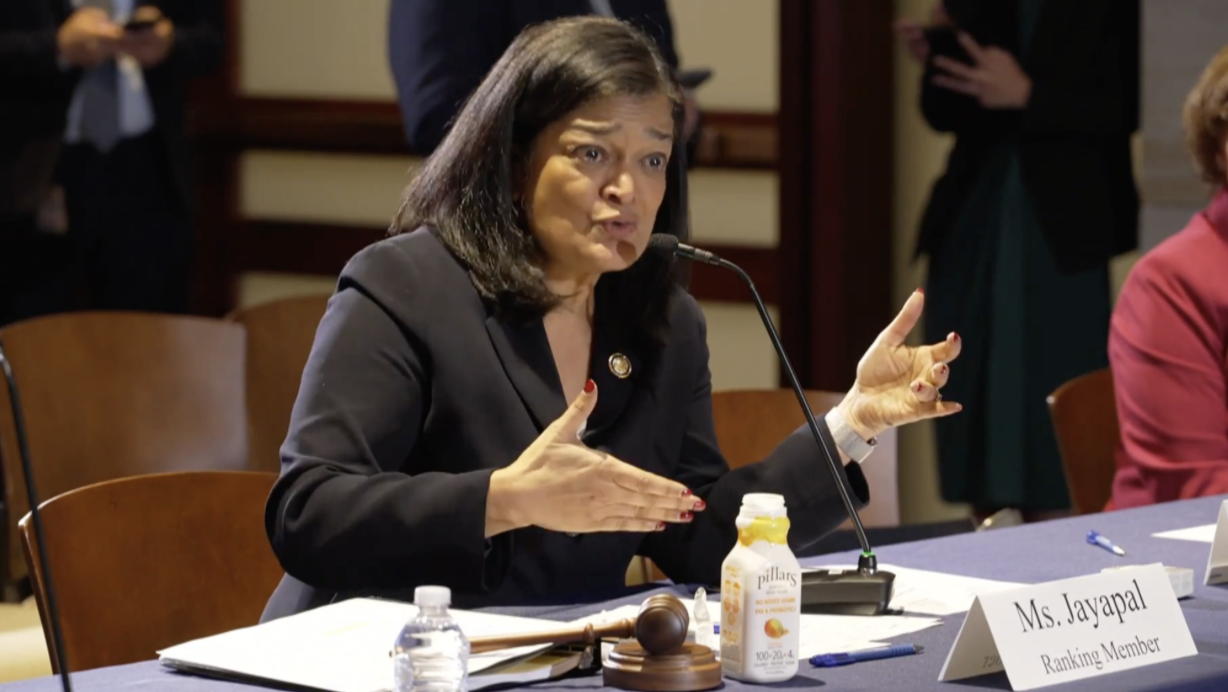
Rep. Pramila Jayapal (D-Wash.), a leading voice on immigration policy, made the remarks during a congressional hearing focused on immigration enforcement and its impact on families. The discussion, which was covered in part by a recent New York Post report, centered on claims that past federal actions caused lasting harm to some individuals—particularly children and families affected by immigration crackdowns.
A controversial proposal
Speaking at the hearing, Jayapal argued that some families have experienced significant emotional and psychological distress due to immigration enforcement efforts, particularly during past federal operations carried out by Immigration and Customs Enforcement (ICE).
“We are going to have to have some form of reparation for the kids and the families that have been traumatized,” she said during her remarks.

Jayapal, who serves as a ranking member on a House immigration subcommittee, indicated that the idea of reparations would be part of a broader effort to address what she described as harm caused by enforcement policies. However, she did not provide specific details on how such a program would be structured, funded, or who would qualify.
Focus on accountability and reform
Beyond the reparations concept, the congresswoman emphasized what she called the need for accountability in immigration enforcement. She suggested that officials involved in controversial operations should face scrutiny and potentially legal consequences.
Her comments come amid ongoing tensions in Congress over immigration policy, particularly regarding the role and funding of agencies like ICE and Customs and Border Protection (CBP).
Jayapal has been a longtime critic of these agencies and has previously called for significant reforms. In a statement tied to the broader debate, she reiterated her opposition to funding increases without changes to enforcement practices, arguing that communities have been harmed by what she described as aggressive tactics.
Political and public reaction
The proposal has already drawn strong reactions from across the political spectrum.
Supporters of Jayapal’s position argue that acknowledging and addressing harm—especially to children—should be part of any comprehensive immigration reform effort. They point to documented cases where families were separated or subjected to intense enforcement actions as justification for considering compensation or support programs.
Critics, however, have questioned both the feasibility and fairness of such a proposal, particularly given the lack of specifics. Some have also raised concerns about the potential cost and how eligibility would be determined.
The broader political context adds another layer to the debate. Immigration remains one of the most divisive issues in U.S. politics, and proposals like this are likely to intensify discussions heading into future legislative battles.
What happens next?
At this stage, Jayapal’s remarks represent a proposal rather than a formal piece of legislation. She suggested that further action could depend on future political outcomes, including potential shifts in congressional leadership.
Meanwhile, Congress remains locked in ongoing disputes over immigration funding and policy reforms, with negotiations continuing over how federal agencies should operate and be held accountable.
Whether the idea of reparations gains traction or remains a flashpoint in the broader immigration debate, one thing is clear: the conversation around immigration policy—and its human impact—is far from over.



