
A multimillion-dollar offer might seem impossible to refuse — but for one Kentucky family, some things simply aren’t for sale.
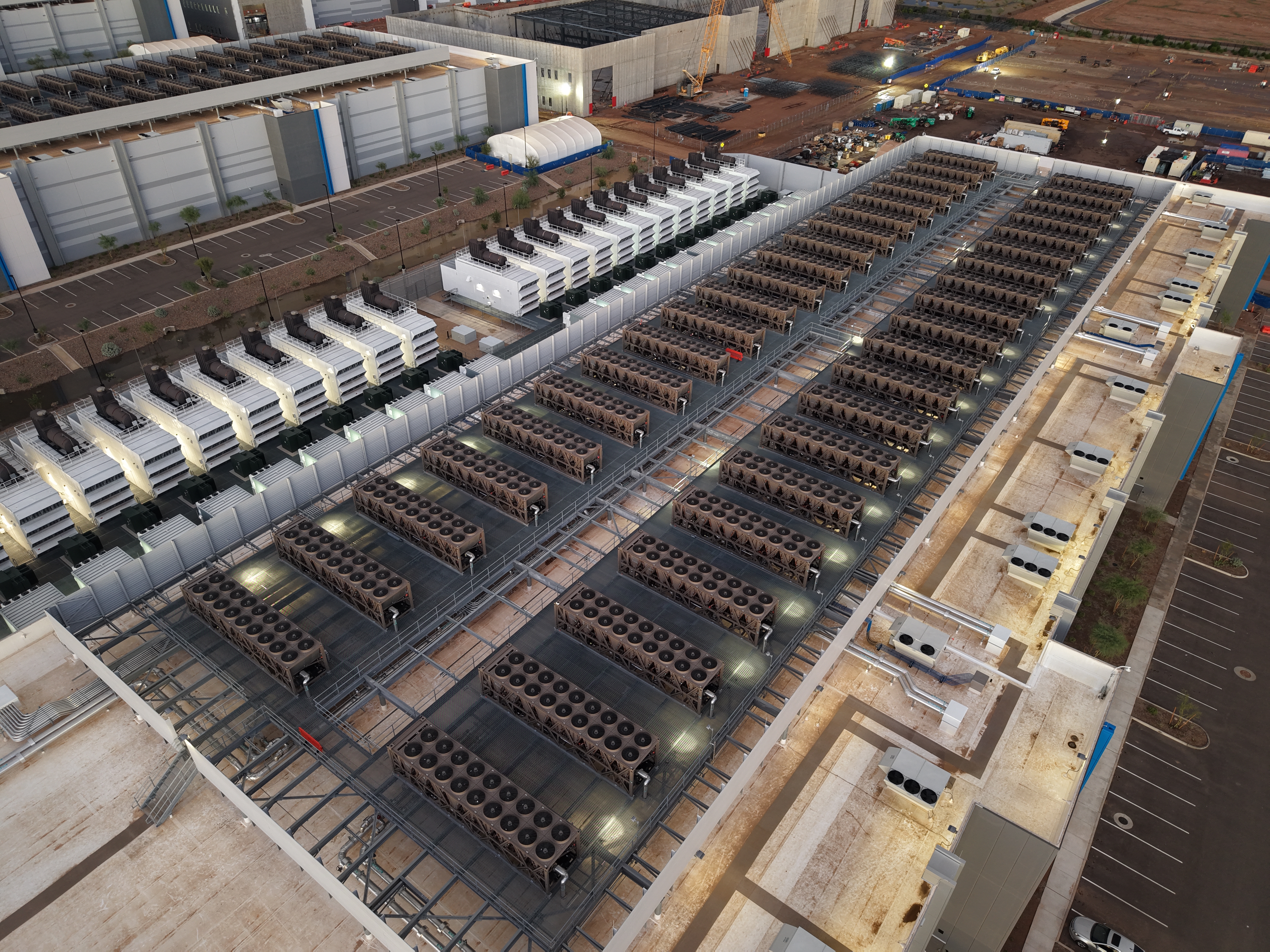
In a story that’s now drawing national attention, 82-year-old Ida Huddleston and her family turned down a $26 million offer from a major artificial intelligence company that wanted to transform part of their farmland into a sprawling data center. The land, located outside Maysville in northern Kentucky, has been in the Huddleston family for generations — and that legacy ultimately outweighed the massive payout.
The situation, first reported by a local news outlet and later spotlighted in a TechCrunch write-up, highlights a growing clash between rural landowners and the rapid expansion of tech infrastructure across the United States.
“We’re not stupid”
Huddleston didn’t mince words when explaining the family’s decision.
“They call us old, stupid farmers,” she said in an interview. “But we’re not.”
For her, the issue isn’t just about preserving family property — it’s about protecting natural resources and a way of life she believes is increasingly under threat. Huddleston pointed to concerns about water shortages, environmental damage, and potential contamination linked to large-scale data centers, referencing reports from other regions where such facilities have raised alarms.
Her message was clear: the long-term risks, in her view, outweigh any short-term financial gain.
Skepticism over promised benefits
Developers often promote data centers as engines of economic growth, promising jobs and investment in local communities. But Huddleston isn’t convinced.
“It’s a scam,” she said bluntly, expressing doubt that the project would deliver meaningful benefits to Mason County.

Her skepticism reflects a broader concern shared by some rural residents — that high-tech developments may bring limited employment opportunities while placing heavy demands on local infrastructure, especially water and energy resources.
A decision that may not stop development
Despite the family’s refusal, the story doesn’t end there.
According to reports, the unnamed AI company has revised its plans and filed a request to rezone more than 2,000 acres nearby. That means construction of the data center could still move forward — just not on Huddleston’s land.
For the family and their neighbors, that possibility introduces new uncertainty about how the surrounding area could change, even without directly selling their property.
A larger national debate
Huddleston’s decision comes at a time when demand for data centers is surging, driven by the rapid growth of artificial intelligence and cloud computing. Companies are increasingly seeking large, rural parcels of land to build the massive facilities needed to support digital infrastructure.
But not all communities are embracing the trend.
Across the country, similar debates are unfolding as residents weigh the economic promises of tech expansion against concerns about environmental impact, resource usage, and preserving local heritage.
Holding the line
For Huddleston, the choice was never really about money.
Her family’s 1,200-acre farm represents decades of history, hard work, and connection to the land — something she says can’t be replaced by any check, no matter how large.
As development pressures continue to grow, her stand is resonating with others who see it as a powerful reminder: sometimes, saying “no” is about more than just turning down a deal — it’s about deciding what kind of future is worth protecting.



