
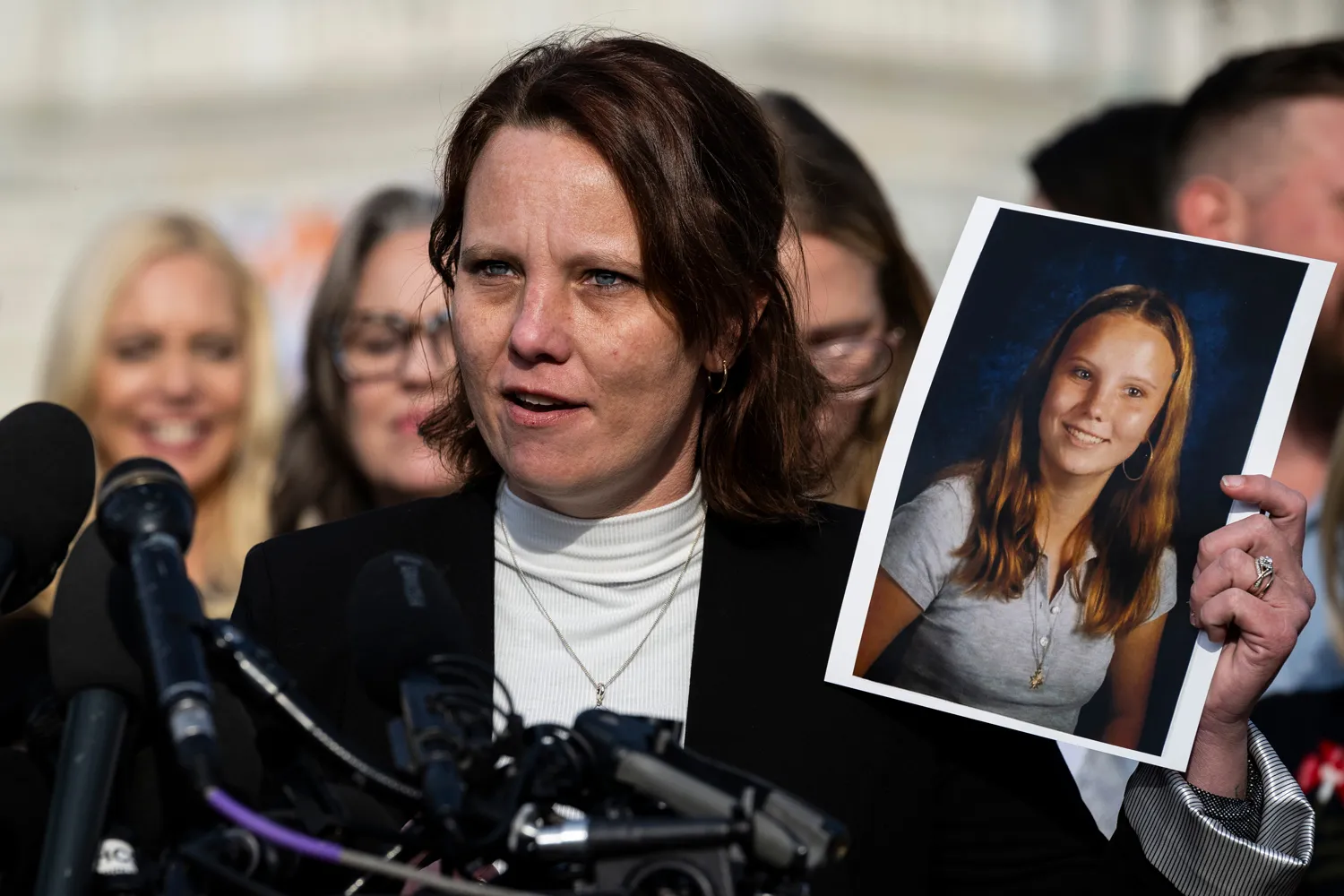
For one survivor of Jeffrey Epstein’s abuse, the promise of justice once felt within reach — close enough to shape a vote, and powerful enough to inspire hope. Now, that hope has curdled into frustration.
Jena-Lisa Jones, who says she was abused by Epstein at just 14 years old, is speaking out about her regret in supporting Donald Trump in the 2024 election. In a recent podcast interview, she described how Trump’s campaign rhetoric — particularly his vow to release files tied to Epstein — resonated deeply with survivors who felt ignored for years.
“Trump ran his whole freakin’ election on the release of these freakin’ files,” Jones said. “And it sparked it back all up again, gave us hope, gave me hope at least.”
Epstein, a financier with deep connections to powerful figures, died in jail in 2019 while awaiting trial on federal sex trafficking charges. His death denied many of his alleged victims the chance to testify in court — leaving unresolved questions and a lingering demand for accountability.
Jones became an outspoken advocate for transparency, lobbying for the passage of the Epstein Files Transparency Act and appearing on Capitol Hill alongside other survivors. The legislation ultimately forced the release of materials tied to the federal investigation, though critics argue key documents may still be withheld.
More than a year into Trump’s presidency, Jones says she has yet to find records of her own cooperation with investigators.
“I haven’t seen my files in there, and I know that they have files,” she said, noting that she worked directly with the FBI. “I texted the FBI the day he died.”
Officials with the U.S. Department of Justice say victim statements have been released but are difficult to locate due to redactions designed to protect personal identities. According to a spokesperson, those protections may be why Jones has not been able to find her records in the public database.
Still, for Jones, the explanation offers little comfort.
After campaigning on transparency, Trump’s administration has resisted broader calls to release additional Epstein-related materials, at times dismissing the issue as politically motivated. For survivors, that shift has been jarring.

“He runs his campaign on this … to the point that a lot of us voted for him,” Jones said.
Now, the question that lingers is not just about documents, but about accountability — and whether it will ever come.
Asked what she fears most today, Jones did not hesitate: “That we’re not going to get justice in all of this and take down the bad people.”
For survivors like her, the case has never just been about files. It’s about closure, recognition, and a system that, even now, can feel just out of reach.



