
What began as a dismissed rumor quickly turned into an awkward reversal inside the White House — a collision of politics, media, and comedy that left officials scrambling to regain footing.
Reports surfaced earlier this week that Bill Maher would receive the Mark Twain Prize for American Humor at the Kennedy Center, one of the most prestigious honors in comedy. The news, first reported by The Atlantic, was initially met with swift denial from the Trump administration.
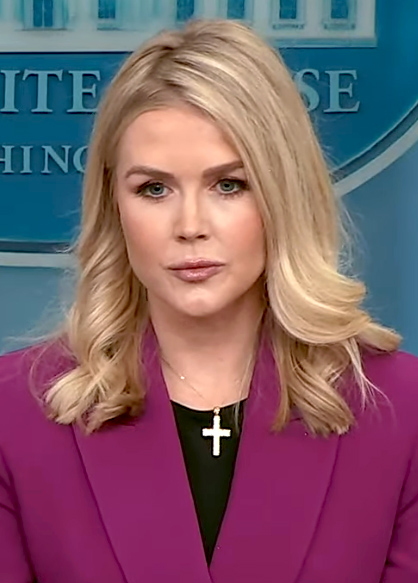
“This is fake news. Bill Maher will NOT be getting this award,” said Karoline Leavitt, the White House press secretary, in a statement that echoed broader pushback from allies of Donald Trump.
Communications director Steven Cheung doubled down, calling the report “literally FAKE NEWS” on social media.
But behind the scenes, the reality appeared more complicated.
According to insiders who spoke to Politico, Maher had indeed been selected for the award, though final arrangements were still being worked out when the story broke. That nuance — lost in the rush to discredit the report — forced a quieter recalibration from White House staff.
“Anonymous sources with half-baked information leaked… before conversations were finalized,” one official said, attempting to frame the earlier denials as premature rather than incorrect.
Maher, never one to pass up a punchline, responded in character.
“Thank you to the Mark Twain people,” he said in a statement. “I just had the award explained to me, and apparently it’s like an Emmy, except I win.”
The honor places Maher among a long line of comedians recognized for shaping American humor, even as his own standing with audiences has grown more complicated. Once a staple of liberal political commentary, Maher has drawn increasing criticism from progressives over his takes on immigration, cancel culture, and social movements — leading some to accuse him of drifting rightward.

The timing of the award only adds to the tension.
The ceremony is expected to be one of the final major public events at the Kennedy Center before a planned two-year shutdown, and will be broadcast by Netflix — ensuring the moment reaches a wide audience.
For the White House, however, the episode underscores a familiar risk: in an era of rapid headlines and political reflexes, denying a story too quickly can sometimes make it louder.
And in this case, the joke may have landed somewhere unexpected — not on stage, but in the response itself.



