
A tragic case out of Florida is drawing national attention after investigators say a heated argument turned into a fatal moment—one now raising serious questions about responsibility, intent, and the consequences of words spoken in anger.
Miguel Hernandez, 41, is facing a manslaughter charge after authorities say he encouraged his girlfriend to take her own life—and handed her the weapon used to do it.
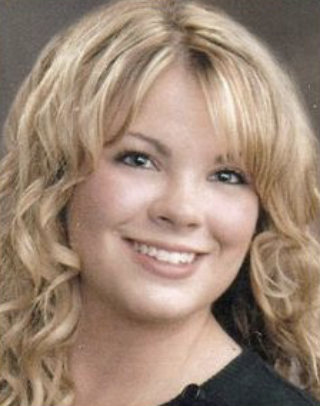
The victim, Camille Mary McGonigle, 37, died weeks after suffering a gunshot wound to the head inside the couple’s Oakland Park home. According to investigators, what initially appeared to be a suicide quickly evolved into something far more complex.

As outlined in earlier reporting by Law&Crime, deputies responded to the home in January after receiving a call about a shooting. When they arrived, they found Hernandez desperately trying to help McGonigle, who was lying unresponsive. She was rushed to a hospital but ultimately died from her injuries.
At first, Hernandez told police that his girlfriend had a history of making suicidal statements during arguments and suggested the shooting may have been accidental or impulsive. He claimed he didn’t believe she would actually pull the trigger.
But investigators say surveillance footage from inside the home tells a different story.
According to the arrest affidavit, the video shows Hernandez leaving the room during the argument, then returning moments later with a firearm. Authorities allege he racked the gun, handed it to McGonigle, and repeatedly urged her to “go ahead and do it”, using derogatory language as he did so.
Seconds later, she pulled the trigger.
The footage, investigators say, directly contradicts Hernandez’s initial account and played a key role in the decision to charge him.
When confronted, Hernandez reportedly admitted he may have handed her the gun but insisted he was “calling her bluff” and did not believe she would follow through.
That explanation has become central to the case.

Prosecutors argue that his actions—both providing the weapon and encouraging her to use it—amount to criminal negligence. Hernandez has since been arrested and is being held without bond as he awaits his next court appearance.
The tragedy is further compounded by McGonigle’s personal history. According to her obituary, she had endured significant loss and emotional struggles, including the deaths of close family members. Despite those hardships, she was described as creative, compassionate, and devoted to others—leaving behind a young son.
The case has sparked broader conversations about mental health, domestic conflict, and accountability, particularly when vulnerable individuals are involved.
While the legal process will ultimately determine Hernandez’s fate, the circumstances surrounding McGonigle’s death have already left a lasting impact.
At its core, the case serves as a stark reminder: words, especially in moments of crisis, can carry consequences far beyond what anyone expects.



