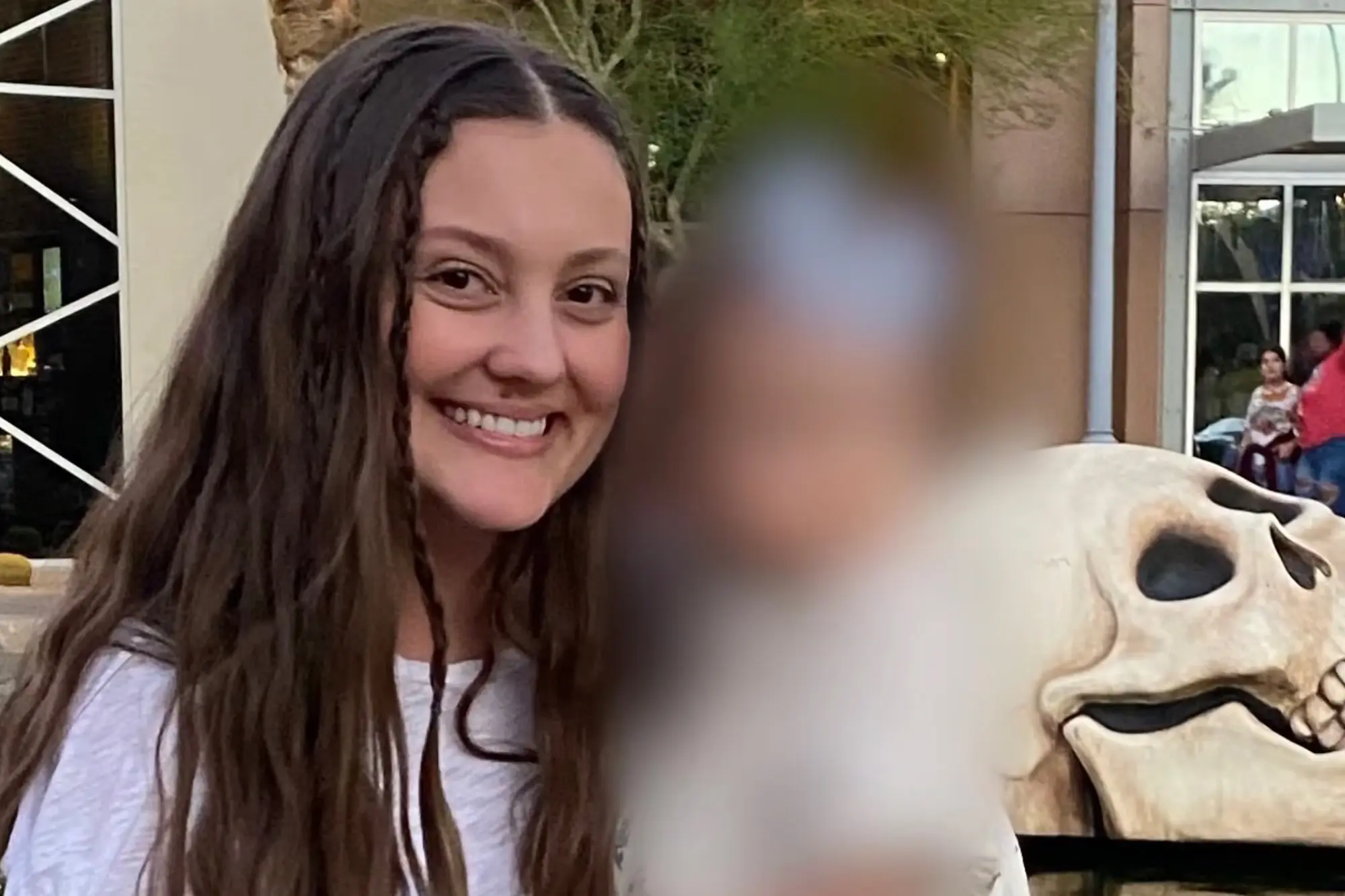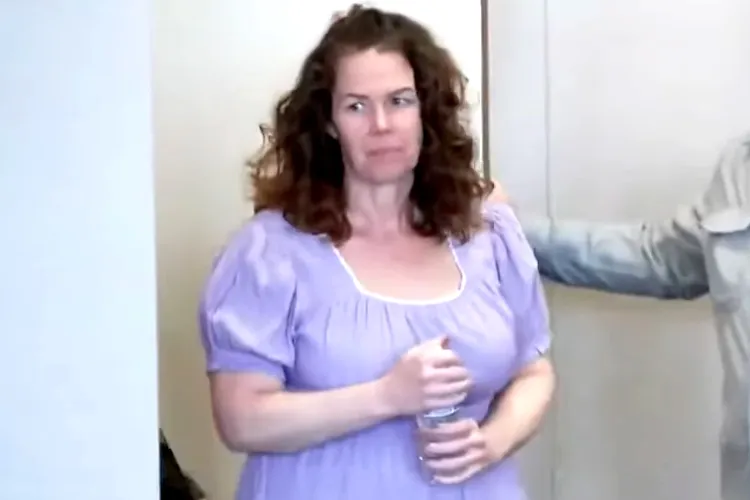
A friendship built on illness, secrets, and thousands of text messages ended in a quiet bedroom — and now, a guilty verdict.
Meggan Sundwall, a 48-year-old nurse from Utah, has been found guilty of aggravated manslaughter in the August 2024 death of her friend, Kacee Lyn Terry, 38. After roughly 10 hours of deliberation, jurors rejected the defense’s claim that Terry took her own life and instead sided with prosecutors who described a chilling, calculated plan.
At the center of the case was a disturbing allegation: that Sundwall injected Terry with insulin, leaving her unconscious as her condition deteriorated over hours. Prosecutors argued the motive was financial — a belief that Terry’s death would unlock a supposed $1.5 million life insurance policy.
When first responders arrived at Terry’s home on August 12, 2024, they found her struggling to breathe. Sundwall, who was present, told them Terry had terminal cancer and did not want medical intervention. But investigators would later determine that claim was false. Terry had no such diagnosis.
Instead, the case unraveled into something far stranger.
An autopsy revealed a lethal mix of promethazine, probable insulin, and other substances. Evidence showed Terry had spent years convincing those around her that she was terminally ill — a deception both sides acknowledged in court, though they framed it differently. Prosecutors called it a cry for help. The defense described it as manipulation consistent with suicidal intent.
But it was the messages — thousands of them — that formed the emotional core of the trial.
Jurors were shown texts prosecutors said revealed Sundwall encouraging her friend’s death. In one message, she allegedly wrote, “There is nothing left for you here.” In another: “You have to let go, it is past time.”
Even more damning, prosecutors argued, were messages suggesting premeditation. One text asked if Terry wanted to take promethazine so she would be asleep “when this is happening.” Another referenced Sundwall’s own financial troubles, with a line prosecutors said exposed motive: “If you dying would get me out of this mess… I would take it.”
The state also presented evidence that Terry feared Sundwall. Before moving out of Sundwall’s home, Terry reportedly told her sister she believed her friend was trying to kill her.
Prosecutors painted a grim picture of Terry’s final hours: unconscious or slipping into a coma, while Sundwall remained nearby, monitoring her as her blood sugar dropped. Data from a glucose monitor showed repeated checks as her condition worsened.
The defense pushed back, arguing there was no definitive proof Sundwall administered insulin after Terry became incapacitated. They said Terry had long expressed a desire to die and had both the means and intent to carry out suicide on her own.
But the jury ultimately rejected that narrative.

Instead, they found Sundwall guilty of aggravated manslaughter — a lesser charge than aggravated murder, but one that still carries serious consequences. She now faces up to 15 years in prison, with sentencing scheduled for May 4.
The case leaves behind a deeply unsettling portrait: a woman who may have fabricated illness for years, a friend accused of turning that vulnerability into opportunity, and a relationship that blurred the line between care and control.
In the end, the jury had to decide what happened in that bedroom — whether it was an act of desperation or something far more deliberate.
They chose the latter.