
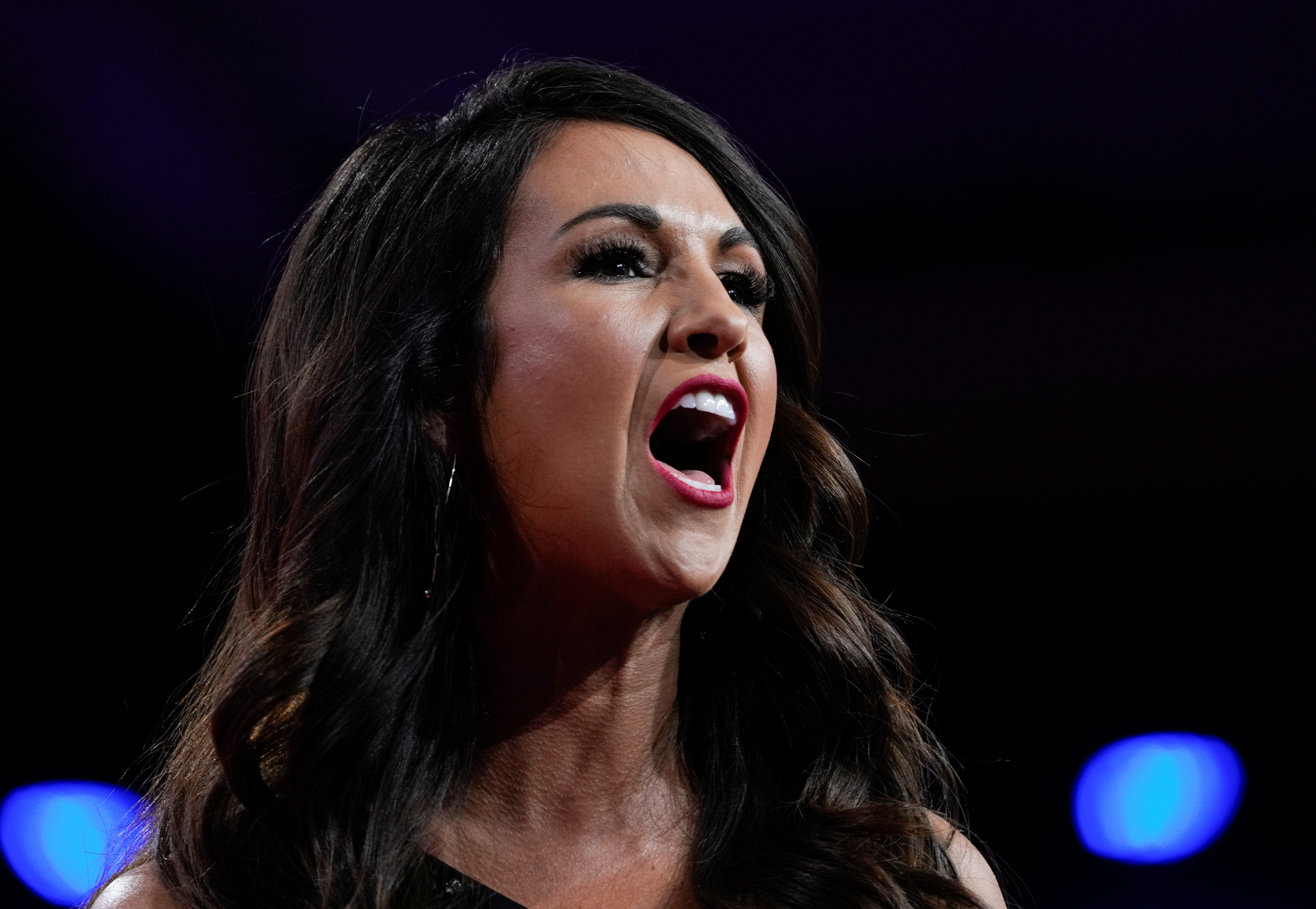
The fight over surveillance powers is turning into something more personal — and more political — inside the Republican Party.
As Donald Trump pressures House Republicans to pass a reauthorization of the Foreign Intelligence Surveillance Act, one of his most loyal allies is pushing back — using his own words as ammunition.
Lauren Boebert publicly rejected Trump’s call for an 18-month extension of FISA Section 702, the controversial provision that allows the government to collect intelligence on foreign targets but has long raised concerns about incidental surveillance of Americans.
Trump framed the reauthorization as essential to national security, particularly in light of the ongoing conflict with Iran. He argued that, with proper safeguards, FISA remains a “critical” tool to keep Americans safe — even as he repeated long-standing claims that the system had once been abused against him during the 2016 election.
But Boebert wasn’t persuaded.
Instead, she reached back to 2020 — and pulled Trump’s own rhetoric into the present.
“If the FISA Bill is passed… I will quickly VETO it,” Trump wrote at the time, blasting what he called “massive abuse” of the surveillance system.
By reposting that message, Boebert delivered a pointed challenge: what changed?
The exchange highlights a growing tension within Trump’s political orbit, where loyalty is increasingly colliding with policy disagreements — particularly on issues tied to government power, foreign policy, and civil liberties.
FISA Section 702 has long been a flashpoint. Supporters argue it is indispensable for tracking foreign threats, while critics warn it opens the door to surveillance overreach and insufficient protections for Americans’ privacy.
Now, that debate is colliding with internal Republican politics.

Boebert’s opposition is not happening in a vacuum. In recent months, she has shown signs of distancing herself from Trump, including clashes over federal funding decisions that directly impacted her district. She has suggested those moves were retaliatory — a sign that disagreements inside the party are becoming more openly transactional.
For Trump, the stakes are immediate. He is leaning on House GOP leadership, including Speaker Mike Johnson, to secure a clean extension of the law while preserving certain reforms from its last reauthorization.
For Boebert and others like her, the issue cuts deeper — into the credibility of the “America First” message that has defined the movement.
If Trump once warned that FISA represented one of the greatest abuses of power in modern political history, his push to extend it now creates a contradiction his critics — and even his allies — are eager to exploit.
The result is a familiar but intensifying pattern:
A party united by a figure, but divided by what that figure now demands.



