A tragic death in the freezing cold is now at the center of a lawsuit that raises serious questions about emergency response—and whether a life could have been saved.
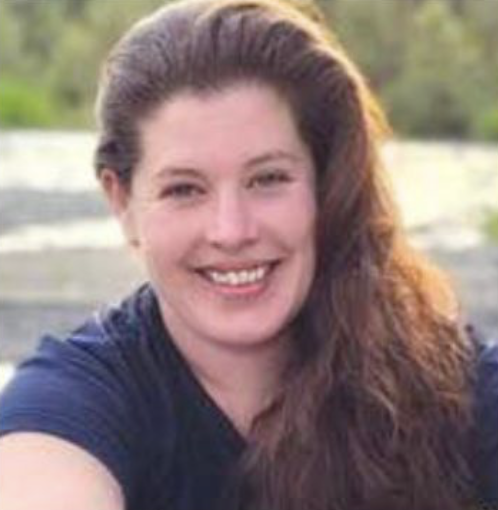
Alecia Lindsay, a 31-year-old woman in Anchorage, Alaska, died from hypothermia after being left outside in harsh winter conditions for more than an hour while help was delayed, according to a legal complaint filed by her family. The case, detailed in recent reporting, paints a chilling picture of missed warning signs and critical delays.
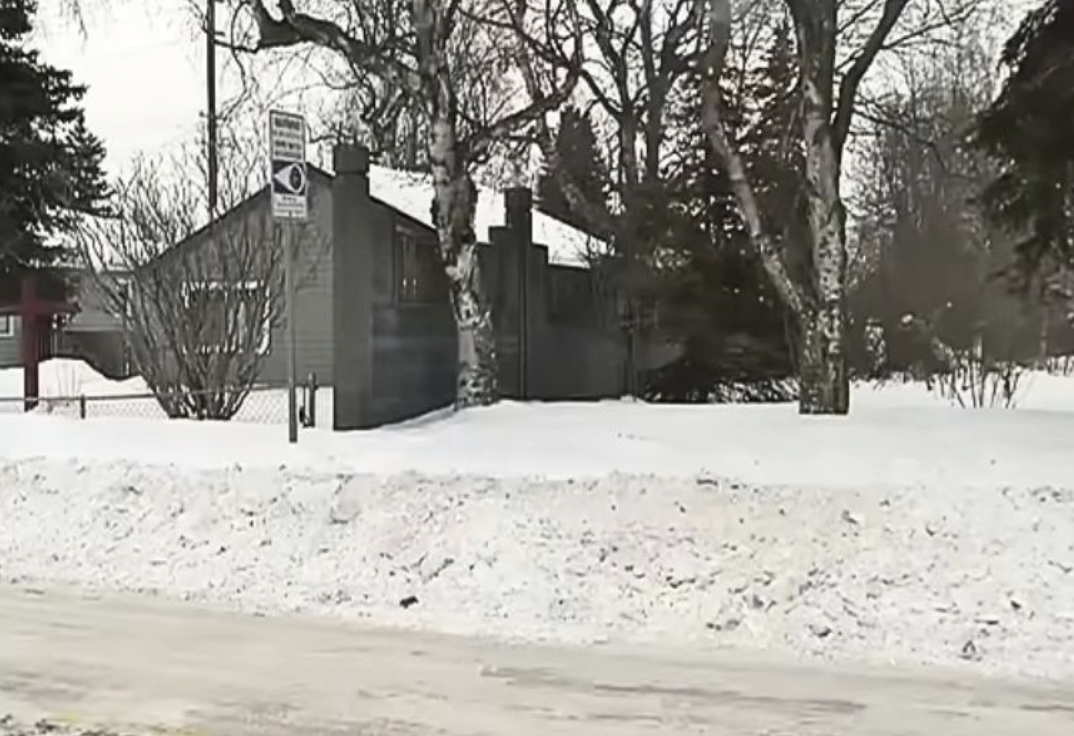
On the morning of February 8, 2024, Lindsay was seen outside in temperatures ranging between 17 and 28 degrees Fahrenheit, with nearly three feet of snow on the ground. A concerned resident called 911 after Lindsay approached their home and appeared to be in distress. According to the lawsuit, Lindsay was “crawling around” outside and visibly struggling in the extreme cold.

The caller reportedly told the dispatcher that Lindsay was shaking severely and seemed overwhelmed by the conditions—classic signs of hypothermia. Despite this, the complaint alleges that the dispatcher categorized the call as a lower-priority disturbance rather than a medical emergency.
Even more troubling, the lawsuit claims the dispatcher assured the caller that help was on the way when, in reality, no immediate response had been dispatched.
Over the next hour, multiple calls were made to 911 as Lindsay’s condition appeared to worsen. According to call records cited in the complaint, there were long gaps with little to no action taken. At one point, the dispatcher allegedly placed the call on hold just seconds after it began and failed to log activity for more than 20 minutes.
Rather than focusing on Lindsay’s deteriorating physical state, the dispatcher is accused of asking questions centered on safety concerns—such as whether Lindsay had weapons or if the callers could lock their doors—while critical medical details were reportedly overlooked.
It wasn’t until 7:36 a.m.—more than an hour after the initial call—that police were finally dispatched. An officer arrived at 7:46 a.m. and quickly recognized the severity of the situation, requesting emergency medical services just minutes later.
By then, it was too late.
Paramedics arrived shortly after 8 a.m., but Lindsay stopped breathing within minutes and was later pronounced dead at a hospital. The official cause of death was hypothermia due to exposure.

The lawsuit argues that a properly trained dispatcher should have recognized the urgency of the situation much earlier, potentially saving Lindsay’s life. Her family is suing the Municipality of Anchorage, its emergency communications center, and others for negligence and emotional distress.
Adding another layer to the case, records show Lindsay had previous encounters with police the day before her death. Officers had reportedly assisted her after she appeared distressed at an airport and later dropped her off at home. Surveillance footage later showed her wandering the city without proper winter clothing before arriving at the home where the 911 call was made.
City officials have denied wrongdoing, arguing in court filings that they are not legally liable in this case and disputing claims of negligence.
For Lindsay’s family, however, the case is about more than legal arguments—it’s about accountability. They believe a series of missed opportunities and delayed decisions led to a preventable death.
As the case moves forward, it raises difficult but critical questions: When someone calls for help in a life-threatening situation, how quickly should that help come—and what happens when it doesn’t?