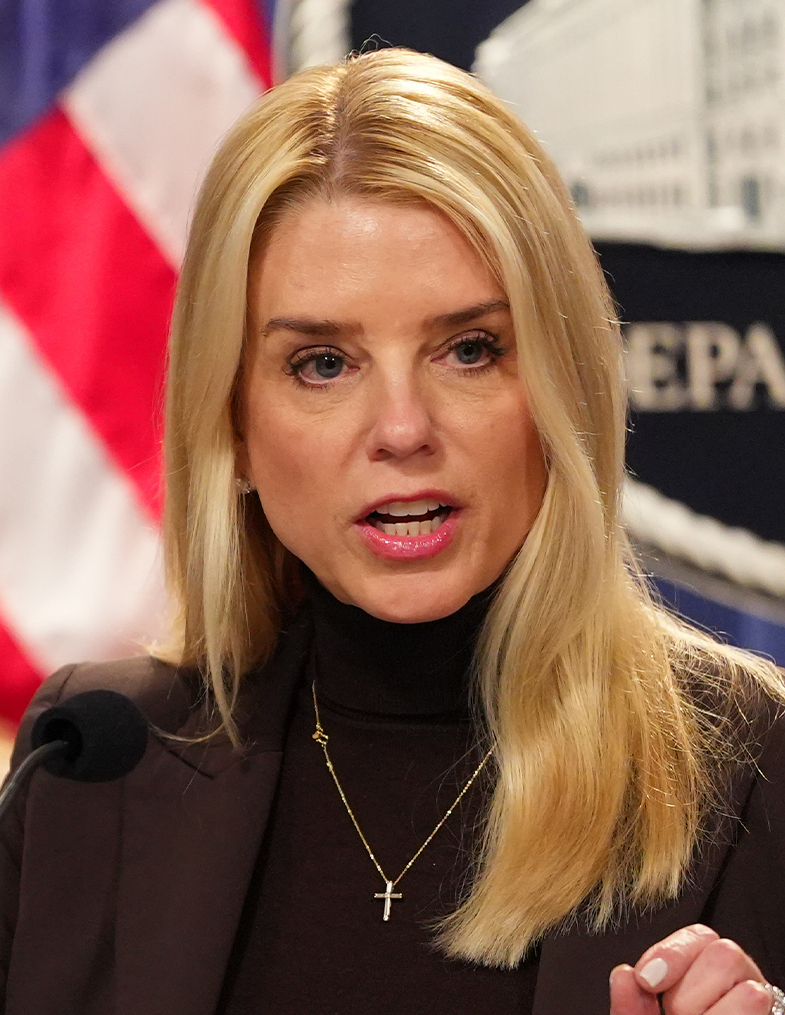
Tensions boiled over on Capitol Hill this week as a closed-door briefing on the highly scrutinized Epstein files ended in a dramatic walkout by Democratic lawmakers—highlighting deep divisions over transparency, accountability, and the Justice Department’s handling of one of the most controversial investigations in recent memory.
The briefing, led by Attorney General Pam Bondi, came just one day after the Republican-led House Oversight Committee formally issued a subpoena requiring her to testify under oath in April. But according to multiple reports, including coverage from NBC News, the meeting quickly turned contentious when Bondi declined to explicitly commit to complying with that subpoena.
Democratic members of the committee said that refusal was a breaking point.
Rep. Robert Garcia of California, the panel’s top Democrat, told reporters that Bondi “refused on multiple occasions” to confirm she would appear for the scheduled deposition. Frustrated by what they viewed as evasiveness, several Democrats chose to walk out of the briefing altogether.
Bondi, however, pushed back on that characterization. Speaking to reporters afterward, she insisted she had made her position clear, stating that she would “follow the law.” Republicans on the committee echoed that claim, arguing that the attorney general had not rejected the subpoena and accusing Democrats of overreacting.

Still, the incident underscores a broader clash over the Epstein files—a massive collection of documents tied to the late financier and convicted sex offender Jeffrey Epstein. The files have been the subject of intense public and political scrutiny, particularly as portions of them have been released with redactions.
Critics, including some lawmakers and survivors, have raised concerns about how those redactions were handled. Some argue that key details—particularly those involving potential associates—have been withheld, while sensitive information about victims may not have been adequately protected.
The Justice Department, for its part, has defended its approach. Officials have described the subpoena as “completely unnecessary,” pointing to ongoing efforts to brief lawmakers and comply with transparency laws governing the release of the documents.
Meanwhile, committee leadership appears divided on how to proceed if Bondi ultimately refuses to testify. When asked whether she could be held in contempt of Congress, Chairman James Comer stopped short of committing to that course of action, saying the committee would need to “talk about that.”
The heated exchange even spilled into personal territory. Rep. Summer Lee accused Comer of dismissing her concerns in a way that violated committee standards, further fueling tensions during an already volatile meeting.
As the April deposition date approaches, the standoff shows no signs of cooling. With political stakes high and public interest still intense, the question now is whether the dispute will lead to greater transparency—or deepen the divide over how much the public should know about the Epstein investigation.