
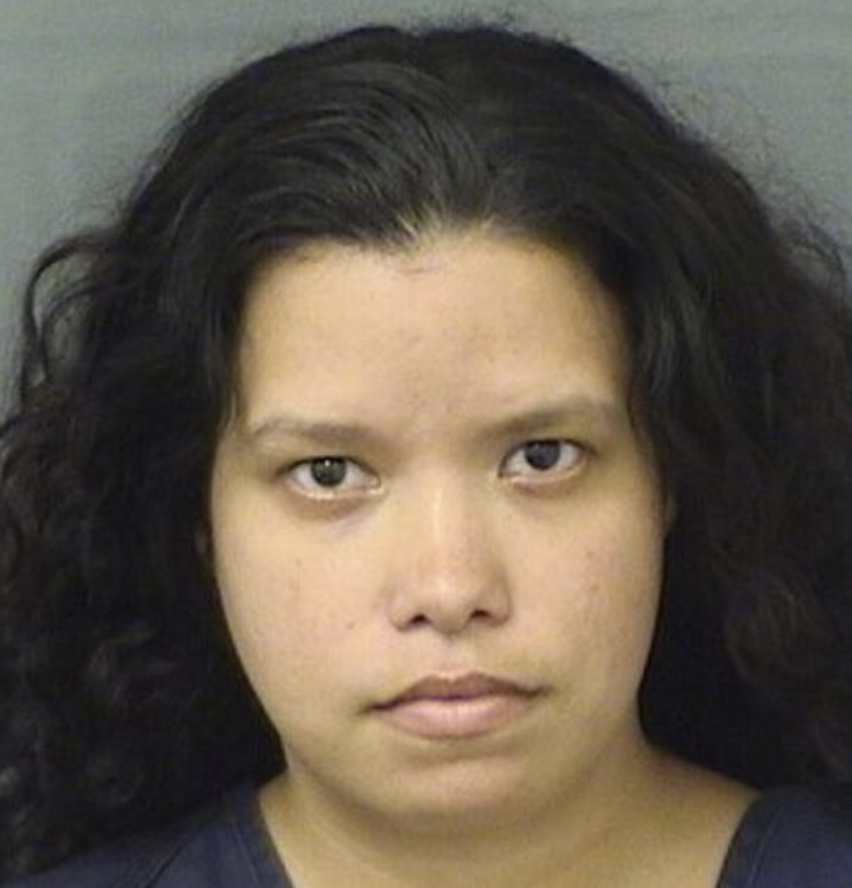
A Florida woman who once posted a chilling message about becoming the “next” person to target President Donald Trump is now set to walk free sooner than many might expect—raising renewed questions about online threats and how seriously they’re taken.
Miranda Perez, 34, recently pleaded guilty to making written threats to kill or harm a public figure after authorities traced a disturbing social media post back to her. In that message, Perez allegedly wrote that she planned to go to one of Trump’s golf courses and become the “next shooter,” adding “be there soon” along with emojis that appeared to downplay the seriousness of the statement.
As previously reported by Law&Crime, investigators were able to identify Perez through photos and prior records, linking the account directly to her. The post quickly triggered concern, especially given the broader context of real-world threats against political figures in recent years.
Despite the alarming nature of the message, Perez has been sentenced to 246 days of time served—meaning she will not serve additional jail time—and will instead face two years of probation.
Under the terms of her probation, Perez must stay away from Trump, his family, and any of his properties. She is also banned from using social media, prohibited from possessing weapons, and required to undergo a mental health evaluation and follow any recommended treatment.

The case has drawn added attention because it is not Perez’s first encounter with law enforcement over threatening behavior. Years earlier, she was investigated for allegedly making threats involving a school, though that case was eventually dismissed after she was deemed mentally unfit to stand trial at the time.
In the current case, however, officials determined she was competent to proceed, ultimately leading to her guilty plea.
The situation unfolds against a backdrop of heightened concern over threats toward public figures. Trump himself survived multiple assassination attempts in 2024, making any new threats—whether serious or not—particularly sensitive.
Legal experts often note that even statements made “as a joke” or out of boredom, as Perez reportedly claimed, can carry serious consequences. Courts must balance intent, mental health factors, and public safety when determining appropriate punishment.
Still, the relatively short sentence may leave some questioning whether the legal system is doing enough to deter similar threats in the future.
For now, Perez’s case serves as a stark reminder: in an era where social media posts can instantly reach thousands, even a single message can lead to criminal charges—and lasting consequences.



