
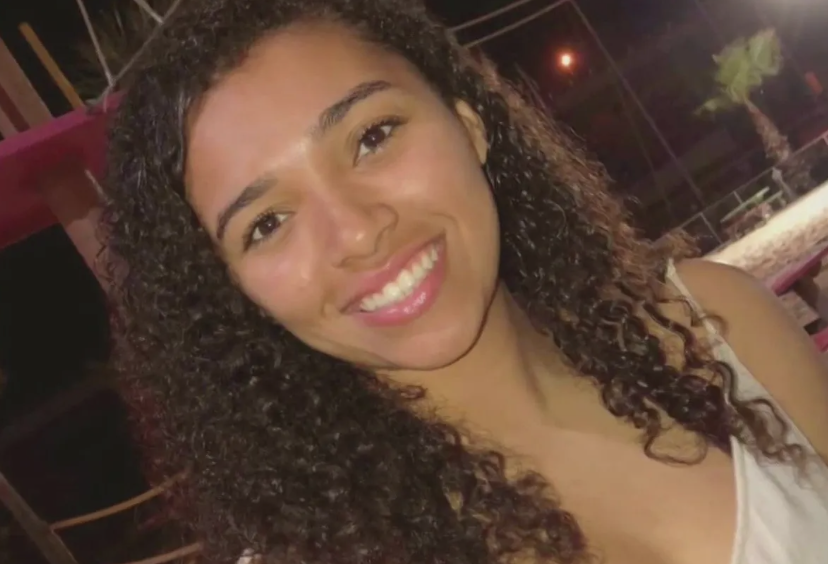
After weeks of emotional testimony and intense legal arguments, a jury in Alabama is now preparing to decide the fate of a man accused in a high-profile killing that has gripped the community for years.
Ibraheem Yazeed is facing two counts of capital murder in connection with the 2019 death of 19-year-old Aniah Blanchard, a case that has drawn widespread attention since her disappearance and tragic discovery. As reported by WBRC, jurors were formally instructed on the charges and are set to begin deliberations, marking a critical turning point in the trial.
Blanchard vanished after being seen at a gas station in Auburn. Prosecutors argue that what may have started as a brief encounter quickly escalated into violence. They told jurors that forensic evidence—including blood and a bullet casing found inside Blanchard’s vehicle—suggests she was shot while still in the car before being transported to a wooded area in Macon County.
There, prosecutors allege, she was shot again in what they described as an execution-style killing.
The state also pointed to testimony from a key witness who claimed to have been with Yazeed and said he saw the victim’s body being moved into the woods. Investigators were ultimately led to Blanchard’s remains about a month after she went missing.
On the second charge—robbery—prosecutors highlighted evidence that Yazeed was seen in possession of Blanchard’s vehicle after her disappearance. Her phone was never recovered.

Throughout closing arguments, prosecutors urged jurors to focus on the totality of the evidence, emphasizing that Blanchard “deserves justice” and that the sequence of events points clearly to Yazeed’s guilt.
The defense, however, painted a very different picture. Attorneys argued that the case is built largely on circumstantial evidence and lacks direct proof tying Yazeed to the crime. They stressed that no witnesses reported seeing a kidnapping at the gas station and claimed there is no definitive DNA evidence placing him inside the victim’s car.
Defense lawyers also challenged the credibility of key witnesses, calling into question their reliability and motivations.
With both sides making sharply opposing arguments, the case now rests in the hands of the jury. Their decision could carry the most serious consequences, as capital murder charges in Alabama can result in life imprisonment or the death penalty.
As deliberations begin, a family—and a community—waits for answers in a case that has lingered for years.



