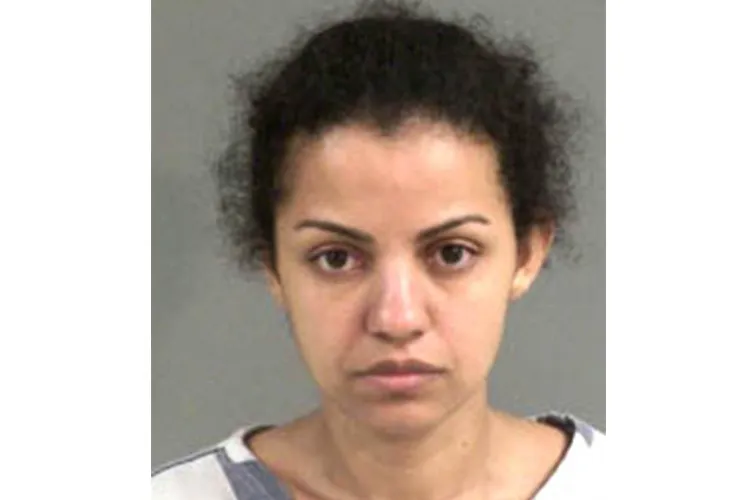
A tragic teen relationship that ended in violence is now nearing its final chapter in court, as an 18-year-old Miami woman has admitted responsibility for the death of her boyfriend—while conflicting accounts of what happened continue to stir debate.
According to local reporting from NBC6, Jahara Malik pleaded guilty to manslaughter in connection with the fatal stabbing of her 17-year-old boyfriend, Yakheim Lollar, during an argument in December 2024. The case, which drew public attention and protests from the victim’s family, will now move directly to sentencing rather than trial.
Malik was 17 at the time of the incident but was charged as an adult. Authorities said the stabbing occurred during a dispute in a Miami neighborhood just days before Christmas. While details remain contested, the defense has suggested the incident stemmed from what they described as “horseplaying” that escalated into a deadly outcome.

That explanation has been strongly rejected by Lollar’s family.
His mother, who has been vocal throughout the case, has publicly questioned how any situation involving a knife could be dismissed as playful behavior. She has continued to push for the maximum sentence, arguing that her son’s death was preventable and should be treated with the full weight of the law.
Malik’s decision to plead guilty without a plea deal means a judge will now determine her fate. She faces up to 30 years in prison, with sentencing scheduled for May.
The case has also sparked controversy over how Malik was handled in the legal system. After her arrest, she was granted house arrest rather than being held in jail—something Lollar’s family fiercely opposed. Although the court later tightened restrictions to near-total lockdown, she has remained out of custody while awaiting sentencing.
Defense attorneys have emphasized that Malik had no prior criminal record and did not intend to kill her boyfriend, framing the incident as a tragic escalation rather than a planned act. Still, the loss of life—and the circumstances surrounding it—have left a lasting impact on both families and the wider community.
As the court prepares to decide Malik’s sentence in May, the case continues to raise difficult questions about accountability, intent, and how quickly situations described as “horseplay” can turn into irreversible tragedy.