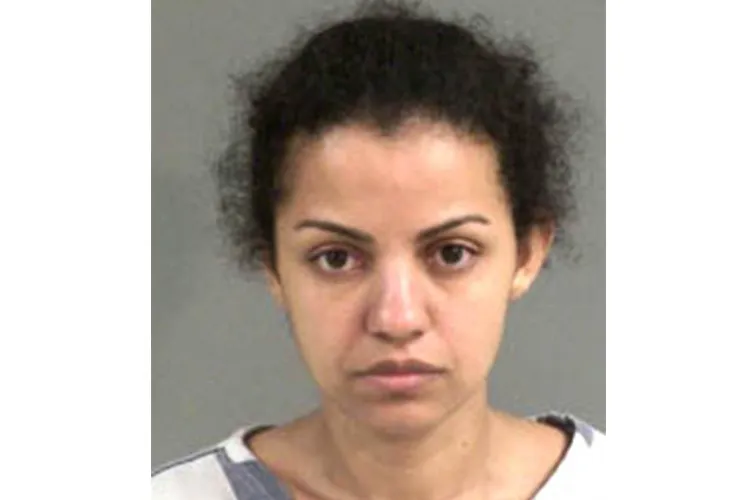
A deadly police standoff in Dallas has sparked intense debate after new details emerged about a man who once worked as a security guard for a member of Congress—raising serious questions about vetting, identity, and public safety.
The man, identified as 39-year-old Diamon-Mazairre Robinson, was shot and killed by Dallas SWAT officers after barricading himself inside a vehicle in a hospital parking garage. According to authorities, officers were attempting to arrest him on an active warrant when the situation escalated. Police say Robinson refused to surrender, and after tear gas was deployed, he exited the vehicle and pointed a gun at officers, prompting them to open fire. No officers were injured.
As reported by Fox News, the case quickly took a surprising turn when investigators revealed Robinson had allegedly spent years impersonating a law enforcement officer. Authorities say he used stolen government license plates, wore fake uniforms, and operated under the alias “Mike King.” He even created a business that appeared to connect off-duty officers with security jobs—despite allegedly using false credentials and identities.

Imagn
Police say they recovered 11 firearms during the investigation, including the weapon Robinson had at the time of the standoff, which was reported stolen. Officials also noted that the federal agency Robinson claimed to work for did not exist.
Despite the revelations, Rep. Jasmine Crockett (D-Texas), for whom Robinson had previously worked as a security guard, defended him in a public statement. She expressed shock at the allegations but emphasized that her office had followed all required protocols when hiring security through an approved vendor.
Crockett also stated that an initial review of Robinson’s criminal history did not reveal any violent offenses, and she described him as someone who had built positive relationships and worked closely with local law enforcement during his time providing security.
At the same time, the congresswoman acknowledged broader concerns, pointing to potential gaps in the systems used to vet individuals for sensitive roles. She called the situation “alarming,” especially given the security risks faced by public officials.
The case has left many grappling with conflicting narratives—one of a man accused of elaborate deception and serious offenses, and another of someone remembered differently by those who worked with him.
As investigations continue, the incident is likely to fuel ongoing discussions about security standards, background checks, and how someone allegedly living under a false identity for years was able to gain access to high-level environments.