
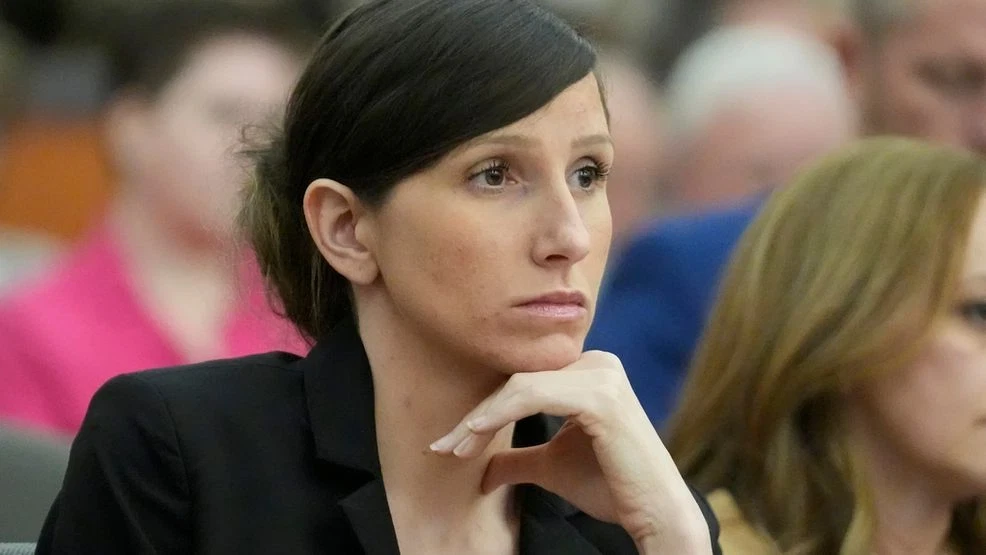
A high-profile murder trial involving a Utah woman who wrote a children’s book about grief after her husband’s death is nearing its final stage, as lawyers prepare to deliver closing arguments to the jury.
Kouri Richins, 35, is accused of fatally poisoning her husband, Eric Richins, in March 2022 at their home near Park City. Prosecutors allege she slipped a deadly amount of fentanyl into a cocktail she made for him, leading to his death. According to reporting by the Associated Press, the case has captured national attention due to the unusual circumstances surrounding the couple’s relationship and the book Richins later published about coping with loss.
The trial was originally expected to last about five weeks but ended sooner than anticipated when Richins’ defense team chose not to call any witnesses. Richins also waived her right to testify, meaning the jury did not hear directly from her before deliberations begin.
Prosecutors argue the killing was financially motivated. They claim Richins was facing millions of dollars in debt and believed she would inherit a large estate if her husband died. Court testimony indicated she had opened multiple life insurance policies on Eric Richins without his knowledge, with benefits totaling around $2 million.

Investigators also presented text messages between Richins and a man prosecutors say she was romantically involved with. In those messages, the pair allegedly discussed a future together and spoke about leaving her husband.
Another key piece of evidence introduced during the trial involved internet searches found on Richins’ phone. Prosecutors say those searches included questions about lethal doses of fentanyl and other topics related to poisoning.
Richins has pleaded not guilty to the charges. Her defense team argues the prosecution’s case relies heavily on speculation and questionable testimony. Attorneys have focused on challenging the credibility of a housekeeper who told the court she had previously supplied fentanyl to Richins. The defense argued the woman may have been motivated to cooperate with investigators to avoid legal trouble of her own.
During the trial, jurors were also shown a letter that investigators say Richins wrote while in jail. Prosecutors believe the document outlines potential testimony for family members intended to support her defense. Her attorneys countered that the letter was part of a fictional story she had been writing.
One of the most unusual elements of the case centers on a children’s book Richins self-published after her husband’s death. The book, titled Are You with Me?, was intended to help her children process their father’s passing. Prosecutors have suggested the book was part of an effort to shape public perception after the alleged crime.
With closing arguments scheduled, the jury will soon be asked to weigh the evidence and determine whether Richins is guilty of aggravated murder, a charge that carries a potential sentence of 25 years to life in prison if she is convicted.



