
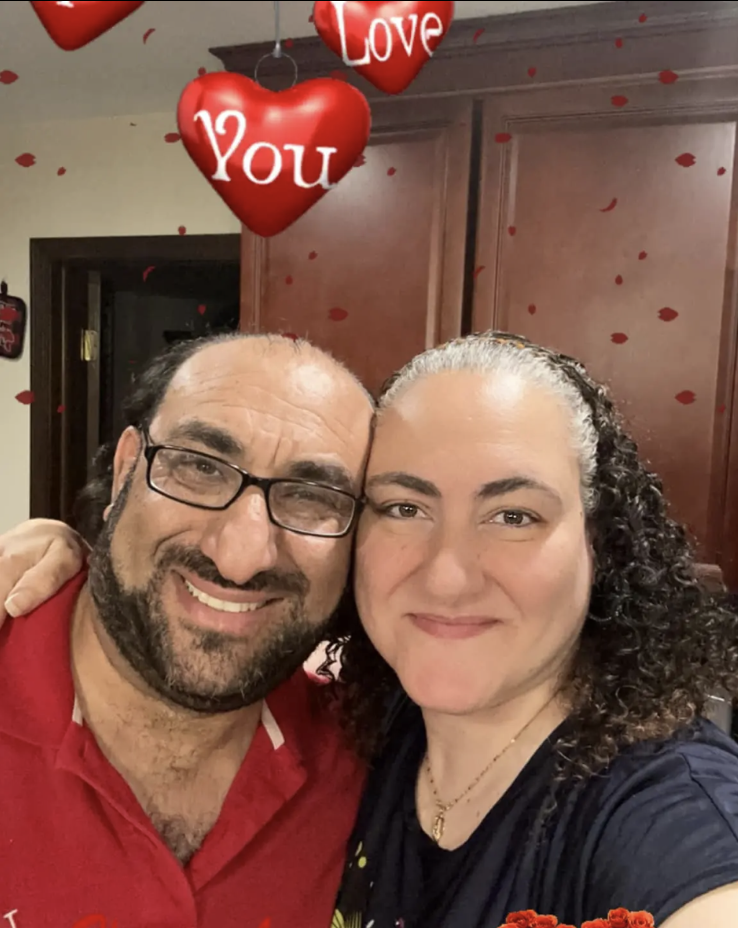
When federal investigators exposed a massive COVID-era fraud scheme worth $14 million, the financial crime wasn’t the only betrayal revealed. At the center of the case were two women living very different realities — both connected to the same man.
Sharhabeel Shreiteh, a 46-year-old Illinois tax preparer, was recently sentenced to 10 years in federal prison after admitting he helped orchestrate thousands of fraudulent Paycheck Protection Program (PPP) loan applications during the pandemic. But as details of the case unfolded, attention quickly turned to the personal fallout involving the women in his life.
According to reporting on the case, Shreiteh had been married for nearly two decades to Hania Atiq Shreiteh, who lives in suburban Chicago and shares a daughter with him. While she believed they were building a life together, prosecutors say he was secretly using money from the scheme to support another wife and three children overseas.
Court documents revealed that some of the illicit funds helped build a large home in the Palestinian territories for the second woman and their children. The money also paid for luxury items, including a Mercedes vehicle, creating a stark contrast between the two households.
When Hania learned about the situation — and the financial support being sent abroad — she reportedly confronted her husband through text messages that later appeared in court filings. The messages captured her shock and frustration as she realized how much of the money was being directed to the other family.
“I bust my a– for years and don’t have what she gets,” one message reportedly said, reflecting the emotional toll of discovering the double life.
The fraud itself was enormous. Prosecutors say Shreiteh helped submit more than 1,500 fraudulent PPP loan applications for over 1,000 clients during the pandemic. The federal relief program was meant to help struggling businesses survive shutdowns, but investigators say the scheme diverted millions of taxpayer dollars.

Shreiteh personally received about $740,000 in kickbacks, according to prosecutors. At the same time, officials say he was also collecting over $40,000 in unemployment benefits.
During his sentencing hearing in Chicago federal court, Shreiteh reportedly broke down in tears and told the judge he was devastated by the consequences of his actions. But the court ultimately determined that the scope of the fraud — and the misuse of public funds — warranted a lengthy prison term.
The case highlights not only the scale of pandemic relief fraud, but also the human stories behind it — particularly the women and families left grappling with the aftermath of deception, financial crime, and broken trust.



