
The passage of the SAVE America Act in the House has ignited a fierce political debate, with Republicans and Democrats offering sharply different interpretations of what the bill means for voters — particularly women. Supporters say the legislation strengthens election integrity, while critics argue it could create barriers to voting.
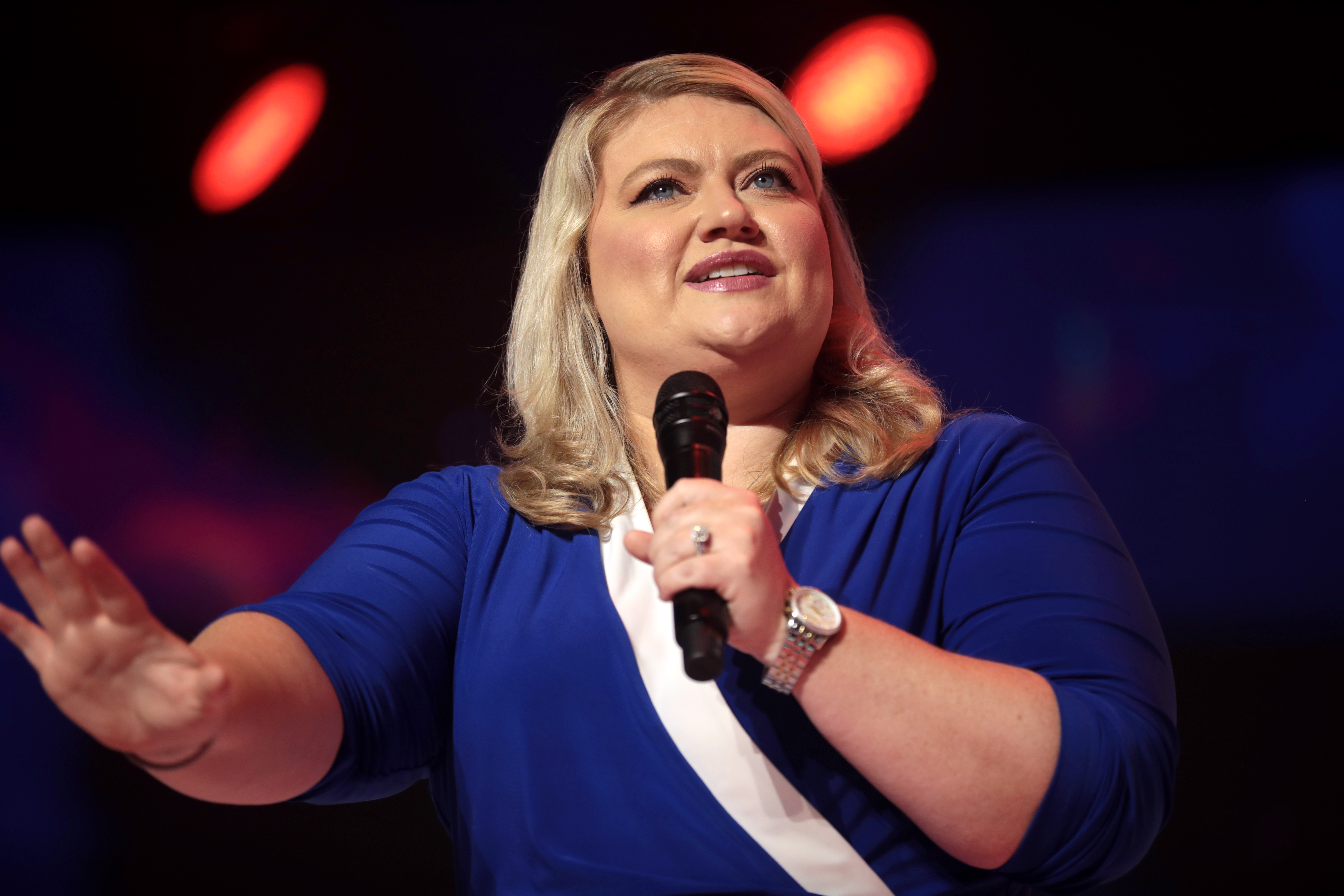
Rep. Kat Cammack (R-Fla.), writing in an opinion piece for The Hill, strongly rejected claims that the measure harms women’s voting rights. According to Cammack, the backlash from Democratic lawmakers following the bill’s passage relied on exaggerated fears rather than the actual language of the legislation (Cammack, The Hill, March 9, 2026).
The SAVE America Act would require people registering to vote to provide documentary proof of U.S. citizenship and present a valid photo ID when casting a ballot. It also includes provisions intended to strengthen voter roll maintenance by cross-checking voter registrations with federal databases to identify ineligible voters.
Democratic leaders have argued that such requirements could disproportionately affect certain groups, including married women whose legal names may differ from those on their birth certificates. Some lawmakers warned that millions of married women could face challenges proving their eligibility under the proposed system.

Cammack disputes that claim, noting that the bill contains language addressing name discrepancies. Under the legislation, voters whose birth certificates list a maiden name could confirm their previous name through an affidavit, and states could accept supporting documents such as marriage licenses. She argues these provisions demonstrate that lawmakers anticipated and accounted for such situations.
Beyond the dispute over married women’s documentation, the broader argument centers on election security. Cammack maintains that requiring proof of citizenship and voter identification is a straightforward step to ensure that only eligible citizens participate in elections. She points to polling that shows strong public support for voter ID requirements and suggests the policy aligns with common practices in daily life, where identification is routinely required for activities such as air travel, hotel check-ins, and certain medical purchases.
The Florida congresswoman also notes that many states already have voter ID laws in place. Florida, she says, has required voter identification for years, and she describes the policy as routine and widely accepted by her constituents. Nationally, dozens of states have implemented some form of voter ID requirement, and the SAVE America Act would extend similar standards nationwide.
Opponents, however, remain concerned that stricter requirements could complicate the registration process or discourage participation, particularly among voters who may lack easy access to the required documentation.
The clash highlights a broader partisan divide over how to balance election access with security measures. For supporters like Cammack, the legislation reflects a promise to protect the integrity of U.S. elections and ensure confidence in the voting system. For critics, the debate underscores ongoing concerns about how election laws might affect different groups of voters.
As the bill continues to move through the legislative process, the conversation surrounding voting rights, election safeguards, and the experiences of American voters — including women — is likely to remain at the center of the national political discussion.
Source: Rep. Kat Cammack, “American women don’t need Democrats to protect them from election integrity,” The Hill, March 9, 2026.



