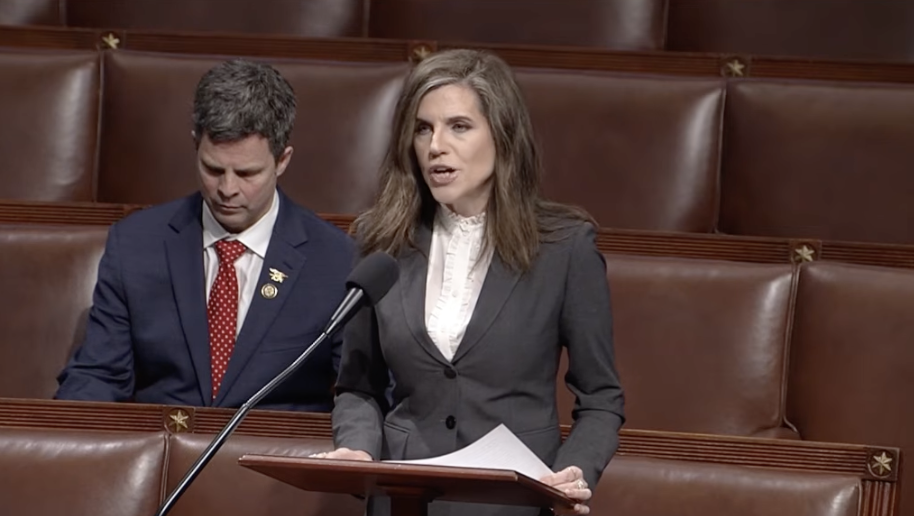
Rep. Nancy Mace is sharply criticizing fellow members of Congress after a controversial vote that blocked a proposal to release sexual harassment records involving lawmakers. In a recent interview, the South Carolina Republican argued that the decision revealed what she believes is a troubling pattern in Washington: politicians demanding transparency in some cases while resisting it when it involves their own institution.
The dispute centers on a measure Mace introduced that would have forced the House Ethics Committee to publicly release information about sexual harassment allegations made against members of Congress. According to Mace, the proposal aimed to increase accountability and give the public greater insight into how such complaints have been handled on Capitol Hill.
But the measure failed by a wide margin.
During the vote, 357 lawmakers — including both Democrats and Republicans — opposed the proposal, while only 65 members supported it, effectively sending the issue to committee where it is unlikely to advance further.
Speaking about the result, Mace said the vote sends a clear message about where many lawmakers stand on transparency. She argued that members of Congress who opposed the measure should not claim to champion accountability for victims in other high-profile cases.
“We don’t want to hear a single word from the 357 members who voted against releasing these records pretending to care about victims,” Mace said during the interview. “Their vote showed exactly where they stand.”
Mace framed the issue as part of a broader concern about how Congress handles misconduct allegations internally. She noted that millions of taxpayer dollars have historically been used to settle harassment claims involving congressional offices. Estimates have suggested that between $1 million and $5 million per year was paid out through settlement funds before reforms were introduced in 2018.
Despite those payments, the identities of lawmakers involved in settlements and the details of complaints have largely remained confidential.
Critics of Mace’s proposal argued that the legislation could create problems related to due process and victim privacy. Some lawmakers said the measure was drafted too quickly and needed more safeguards to ensure that survivors’ identities and sensitive information were protected.

Mace rejected those arguments, saying her proposal already included protections that would have redacted the names of victims and witnesses. She also pointed out that she is a survivor of sexual assault herself and said she took steps to ensure that survivors would not be harmed by the disclosure process.
Beyond the debate over harassment records, the conversation also touched on another controversial topic in Washington: lawmakers trading stocks while holding office. Critics have long argued that members of Congress have access to sensitive information that could influence financial markets.
Some lawmakers have recently introduced legislation aimed at banning members of Congress — as well as their spouses — from trading individual stocks.
Mace said she supports stricter ethics standards and claimed she personally does not trade stocks while serving in Congress, calling the practice “an insult to hardworking Americans” who must follow rules that lawmakers sometimes avoid.
For now, however, her effort to release harassment records appears stalled. Still, Mace says she plans to continue pushing for reforms that increase transparency and accountability inside Congress — even if it means confronting members of both parties.