
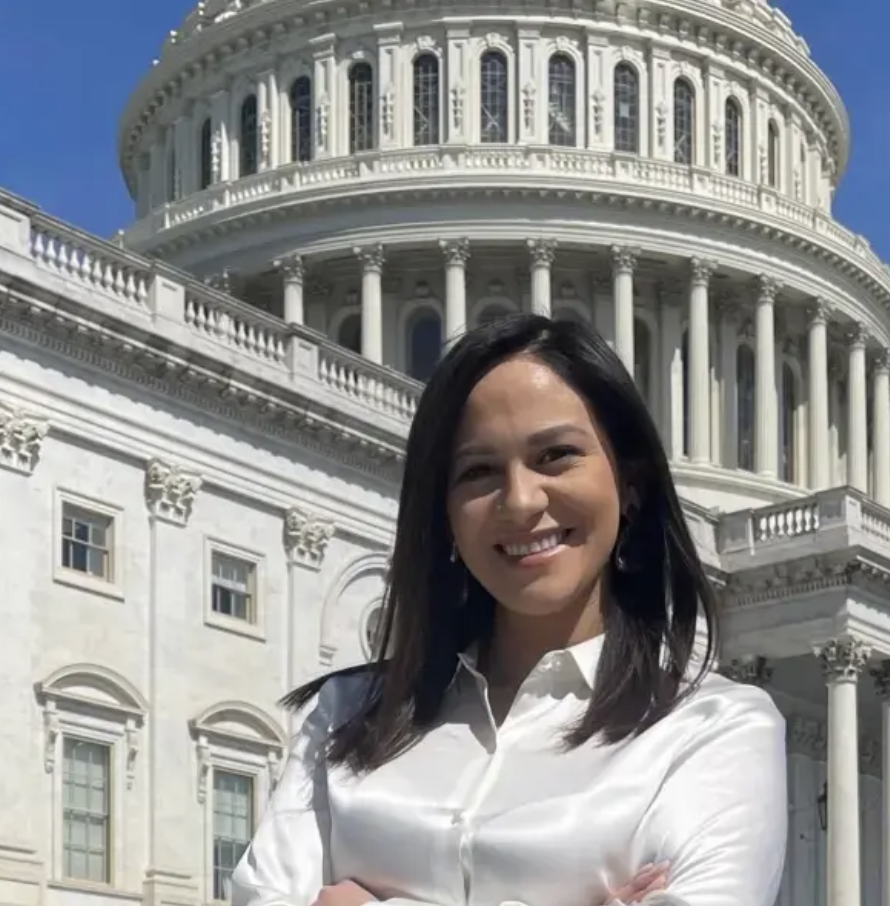
A political controversy unfolding in Washington is drawing renewed attention to the experiences of women working in Congress after allegations surfaced involving Rep. Tony Gonzales of Texas and a former aide.
At the center of the situation is Regina Santos-Aviles, who served as Gonzales’ district director in Uvalde. According to reports, messages from 2024 allegedly show Gonzales sending sexually explicit texts to Santos-Aviles and pushing conversations in a sexual direction. The messages reportedly surfaced after being shared publicly by Santos-Aviles’ husband.
Santos-Aviles died by suicide in September 2025, adding a tragic and deeply emotional layer to the controversy.
House rules prohibit members of Congress from engaging in sexual relationships with staffers or making unwanted sexual advances toward employees. The nonpartisan Office of Congressional Conduct (OCC) has reportedly determined there is “substantial reason to believe” Gonzales had an inappropriate relationship with a subordinate, prompting the House Ethics Committee to open a formal investigation.
The allegations have sparked sharp reactions from several female lawmakers who say the issue highlights long-standing concerns about workplace behavior on Capitol Hill.
Florida Rep. Anna Paulina Luna was among the most outspoken critics, introducing a resolution to censure Gonzales and potentially strip him of his committee assignments. Meanwhile, South Carolina Rep. Nancy Mace attempted to push for broader transparency around sexual misconduct investigations in Congress, arguing that the public deserves to know how such complaints are handled.

Mace’s proposal sought to release investigative reports related to misconduct claims against members of Congress. However, the measure faced resistance from both parties and was ultimately referred to committee, where it is unlikely to move forward. Critics argued that releasing sensitive investigative details could discourage victims and witnesses from coming forward in future cases.
Despite the controversy, Gonzales has remained defiant. In a recent interview, he acknowledged what he described as a “lapse in judgment” but said he had reconciled with his wife and taken responsibility for his actions. He also criticized the media coverage surrounding the allegations and suggested the dispute is being fueled by political motivations.
The political fallout comes at a tense time for Gonzales, who recently advanced to a runoff election scheduled for May. Some Republican leaders have chosen not to intervene, saying voters should ultimately decide his political future.
For many observers, however, the case is about more than politics. It has reopened difficult conversations about power dynamics, accountability, and the challenges women can face when working in high-pressure political environments.
As the ethics investigation moves forward, lawmakers and staffers alike will be watching closely to see how Congress handles yet another test of its commitment to protecting employees and addressing misconduct within its ranks.



