
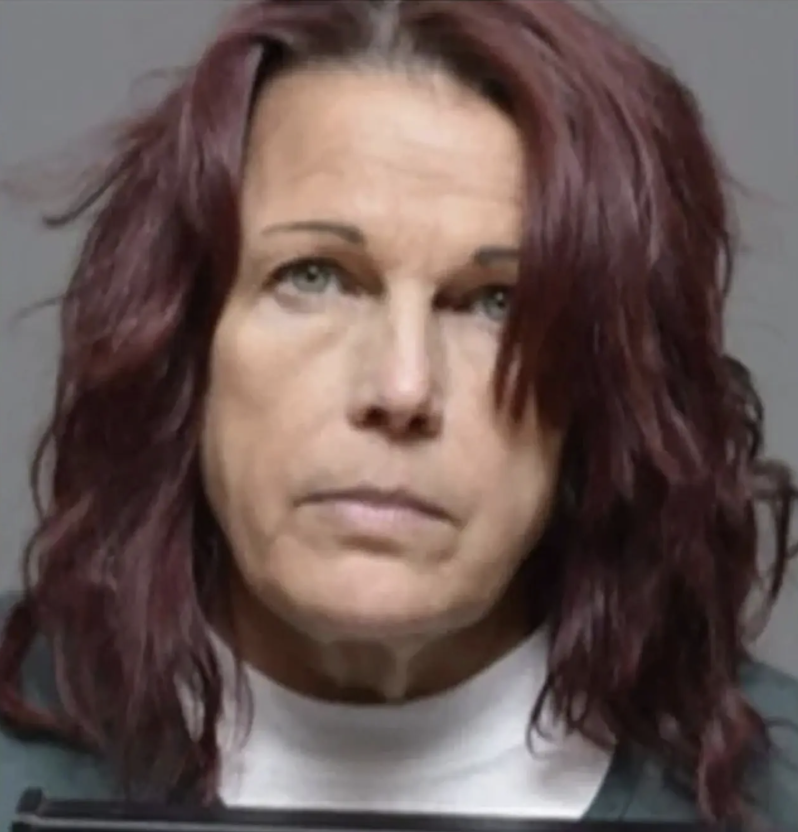
A decades-old mystery on Long Island has taken a heartbreaking turn after police say a mother has confessed to killing her newborn daughter and leaving the baby’s body on the side of a road more than 30 years ago.
Denise Merker, 55, of Riverhead, has been charged with second-degree murder in connection with the death of an infant found in 1993. According to court documents, Merker allegedly admitted to investigators earlier this month, saying simply, “I did it.”
The baby girl — identified only as “Baby Jane Doe” — was discovered on September 27, 1993, when a sanitation worker found her body inside a plastic bag near an intersection in Calverton, roughly 70 miles east of Manhattan. At the time, the case shocked the community but eventually went cold, with no clear suspect and few leads.
For nearly 33 years, the infant’s identity and the circumstances of her death remained unanswered.
That changed this year after advances in forensic investigative genetic genealogy helped authorities identify the child and trace her back to Merker. Police sources say the baby was among several unidentified infants whose DNA profiles were added to a national missing and unidentified persons database last year.
According to a felony complaint obtained by local media, Merker allegedly told a Suffolk County homicide detective that she stuffed a paper towel into the baby’s mouth because the infant would not stop crying.
“I did everything,” she reportedly said, according to the charging documents.

Merker was 22 years old at the time of the baby’s death and was known then as Denise Reischman. Few additional details about the events surrounding the crime have been made public.
Public records indicate that in the years following the infant’s death, Merker went on to build a life on Long Island. A 1996 wedding announcement showed she was living in Selden and working as a dental office manager.
Her attorney has described the case as “gut-wrenching” and “emotional,” but has not commented further on the allegations.
Merker is currently being held at the Suffolk County jail. She is scheduled to appear in court on March 2 after two previous court dates were postponed for reasons that have not been disclosed.
For many in the community, the arrest brings long-awaited answers — but also reopens painful wounds from a case that lingered for decades.
As investigators continue to piece together what happened in 1993, the case stands as another example of how modern DNA technology is reshaping cold case investigations — delivering justice years, and sometimes generations, later.



