
For nearly six decades, Mary Pressley has tended to her four-acre property in Seminole County, shaping it into a quiet slice of Old Florida.
Now, at 88 years old, she says that same land is under siege.
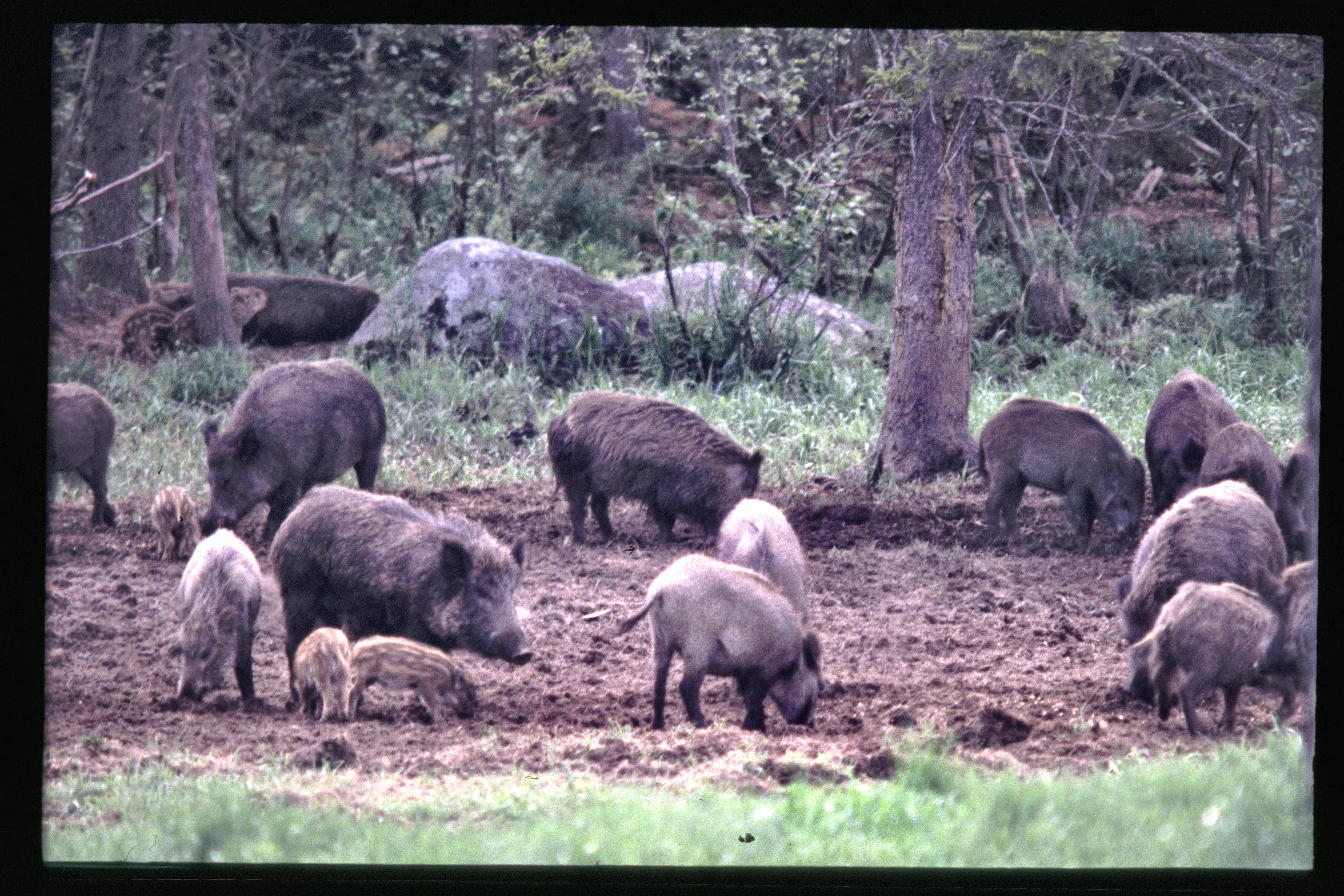
Wild hogs are tearing through her yard, rooting up the soil, carving deep craters into the ground and undoing years of careful work. Pressley fears the destruction isn’t just cosmetic — it’s dangerous.
“They started doing all that tearing up and destroying everything,” Pressley said. “It breaks your heart when you work so hard for it.”
Pressley has lived on the property since 1967. After her husband passed away six years ago, maintaining the land became her responsibility alone. But this year, she says, the hog problem is worse than ever.
The Florida Fish and Wildlife Conservation Commission warns that wild hogs reproduce rapidly — up to 26 piglets per sow annually. They can grow to six feet long, weigh as much as 200 pounds, and use sharp tusks to defend themselves when threatened.
On Pressley’s property, they dig relentlessly, churning up grass and soil in search of food. The result is a minefield of holes large enough to twist an ankle — or worse.
“I could trip in one of those holes,” she said, scanning the uneven ground.
She’s installed barbed wire fencing, but it hasn’t slowed the feral pigs. Trail cameras show the animals slipping in from neighboring woods — land owned by the City of Sanford.
That’s where the story gets complicated.
Pressley’s friend Daniel Levesque, a professional hunter who runs Rare Breed Fishing Charters, has tried to help. Armed with a compound bow, he’s worked to thin the herd when the animals cross onto Pressley’s land. Another friend set traps.
For a moment, Pressley thought they had gained the upper hand.
“But then they came back worse than ever,” she said.
Under Florida regulations, wild hogs can be hunted or trapped year-round without a license — provided the hunter has permission from the landowner. But the hogs are entering from city-owned property, and Levesque says he needs official approval to hunt there.
Last September, he approached the City of Sanford seeking permission to access the land and reduce the hog population before they reached Pressley’s yard.
He says he was denied.
“I’m not gonna eradicate these things,” Levesque said. “But we could definitely thin them out and keep them out of her yard.”
Without access to the city’s property, Levesque says he’s forced to wait until the hogs cross onto Pressley’s land — by which point the damage is already done.
The FWC does not provide hog removal services, leaving property owners largely on their own.
Levesque says he’s willing to meet any conditions the city requires.
“If there’s something in particular they need out of me, I’m certain I can provide it,” he said. “Whether it be a hold-harm or some level of insurance, and even for that matter, some form of a lease agreement.”
Pressley doesn’t care about the paperwork or the politics.
“I want the rest of those pigs taken care of,” she said.



