
A political alliance built on “health” is cracking in public.
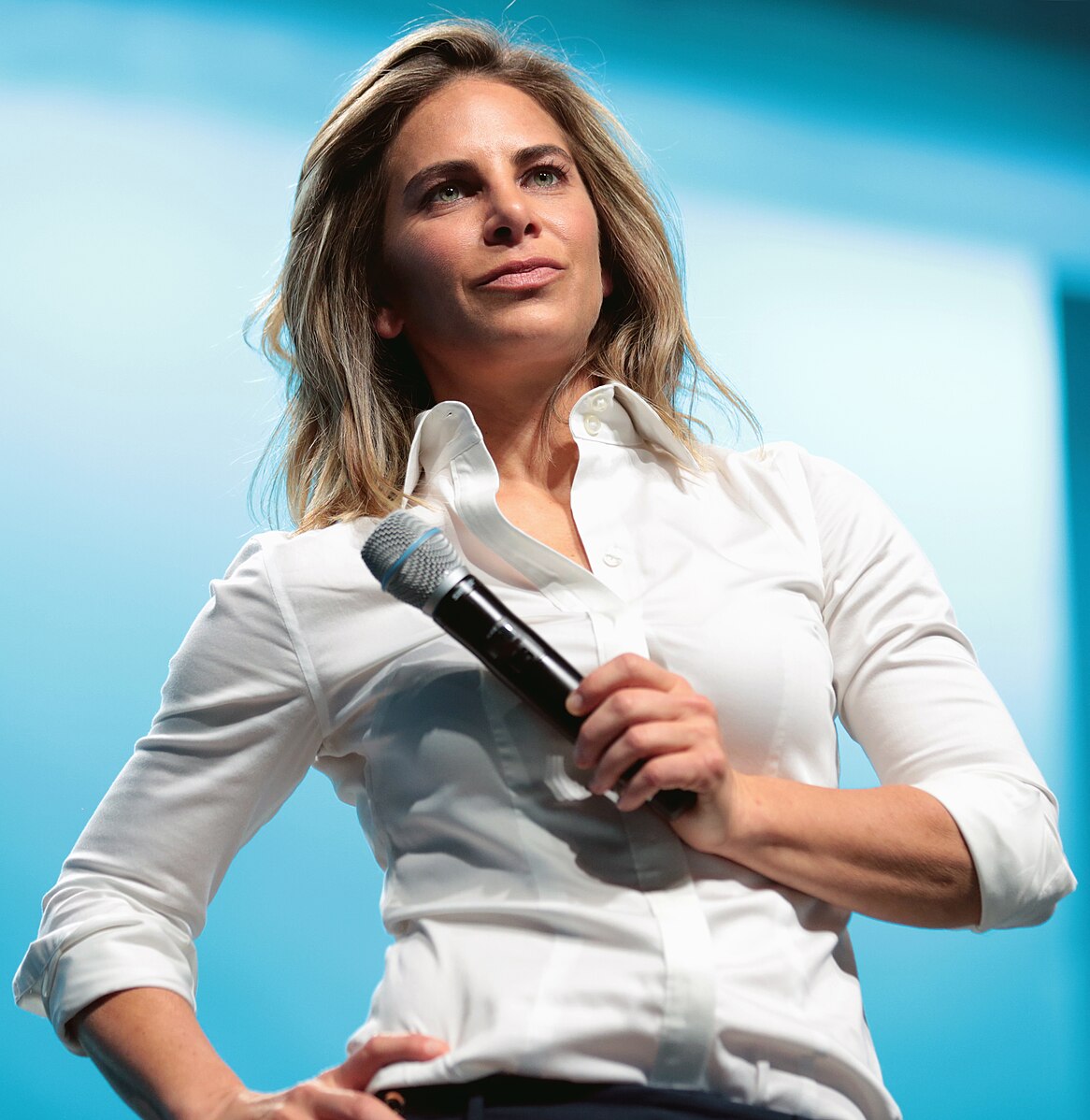
Fitness personality Jillian Michaels — a vocal supporter of Robert F. Kennedy Jr.’s Make America Healthy Again movement — is blasting Donald Trump over his recent executive order bolstering protections for glyphosate, the controversial chemical used in many weedkillers.
“It is not a conspiracy theory that glyphosate is linked to cancer,” Michaels said Monday on NewsNation’s The Hill. “There are hundreds of studies that have illustrated how it increases risk significantly for non-Hodgkin’s lymphoma.”
Her comments come days after Trump signed an executive order aimed at protecting domestic production of glyphosate-based herbicides. In the order, the president described the chemical as critical to agricultural supply chains, arguing that restricting access would harm farmers and make it “untenable for them to meet growing food and feed demands.”
The move stunned some within the broader health reform coalition that has frequently criticized corporate food systems and chemical exposures. Even more surprising to critics: Kennedy, who has previously raised concerns about glyphosate, backed the president’s decision, saying it would help restore U.S. agricultural chemical production and reduce reliance on foreign nations.
Michaels was not convinced.
“I don’t buy that,” she said. “We have a bevy of ultra processed crops — corn, soy, wheat; there’s unfortunately no shortage, which of course has to do with hundreds of billions in subsidy dollars.”
Glyphosate, the active ingredient in the widely used herbicide Roundup, has long been the center of scientific and legal battles. The Environmental Protection Agency has maintained that glyphosate is not likely to be carcinogenic to humans when used as directed. But plaintiffs in thousands of lawsuits have argued otherwise.
Michaels pointed to more than 170,000 lawsuits alleging that manufacturers failed to warn consumers about cancer risks. She referenced a proposed $7.25 billion settlement by agrochemical giant Bayer, which acquired Monsanto — the original maker of Roundup — in 2018.
“We also know through whistleblowers and numerous lawsuits… that the chemical company knew this and tried to bury the information, tried to go after the independent researchers, created ghost studies to try to tell a different story,” Michaels said. “And essentially, they now have to pay $7.25 billion… to the victims.”
Bayer has disputed claims that glyphosate causes non-Hodgkin’s lymphoma. Still, the company has acknowledged that mounting litigation costs threaten its ability to continue selling the product in U.S. agricultural markets. CEO Bill Anderson said the proposed settlement offers “a road to closure” after years of legal uncertainty.
For Michaels, the timing of Trump’s executive order feels suspect.
“I think that somebody powerful called up someone else powerful after paying out $7.25 billion and essentially saying this is an existential threat — we need to call in this favor,” she said. “And they did, and it’s exceptionally upsetting.”

Nov 22, 2012; East Rutherford, NJ, USA; Television personality Jillian Michaels in attendance during the first half of the game between the New York Jets and the New England Patriots on Thanksgiving at Metlife Stadium. Mandatory Credit: Ed Mulholland-Imagn Images
The White House has framed the order as an economic safeguard for American farmers, arguing that limiting glyphosate would disrupt supply chains and weaken domestic food production. Supporters say without it, crop yields would suffer and costs would spike.
But critics see a contradiction between the administration’s health-focused rhetoric and its support for a chemical that remains under global scrutiny.
The clash highlights a deeper fracture inside the Make America Healthy Again movement — a coalition that blends skepticism of pharmaceutical giants, food conglomerates, and federal regulators, yet now finds itself defending agricultural chemical production in the name of national security and economic strength.
At the center of it all is glyphosate — a molecule that has become both a farming staple and a political lightning rod.



