

The latest release of Justice Department documents tied to Jeffrey Epstein has sent shockwaves through American higher education, exposing connections between the disgraced financier and prominent figures at universities across the country. As emails and records detailing those relationships become public, campuses are confronting uncomfortable questions about leadership, donor influence and institutional values.
At Barnard College, more than 70 faculty members signed an open letter urging administrators to investigate correspondence between Epstein and Francine LeFrak, a major donor and member of the college’s board of trustees. The newly disclosed emails show that LeFrak remained in contact with Epstein after his 2008 conviction for soliciting prostitution from a minor. Faculty members described the relationship as deeply troubling, particularly given Barnard’s identity as a women’s college committed to supporting and protecting women. Some have called for LeFrak’s name to be removed from the Francine A. LeFrak Center for Well-Being, which houses sexual violence prevention programs.
Barnard officials said the college has hired independent counsel to review the matter and emphasized that it has never accepted money directly from Epstein.

At Columbia University, fallout has included disciplinary actions at its dental school. Two affiliates were sanctioned after documents showed they assisted Epstein’s associate in gaining admission. One administrator was stripped of a leadership title, while another was removed from admissions-related roles. Columbia also pledged to donate $210,000 — matching prior contributions connected to Epstein — to nonprofits supporting survivors of abuse and trafficking.
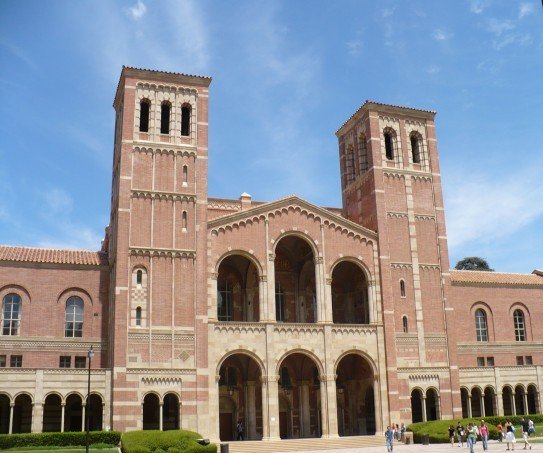
On the West Coast, UCLA is facing criticism over emails between an adjunct neurology professor and Epstein spanning more than a decade. In one exchange, the professor forwarded messages from female students seeking research opportunities, prompting a crude response from Epstein about their appearance. A petition demanding the professor’s termination has gathered more than 10,000 signatures. While his profile has been removed from UCLA’s website, he remains listed as teaching.

At Bard College in New York, revelations of a long-standing fundraising relationship between President Leon Botstein and Epstein have sparked calls for Botstein’s resignation. Botstein has said his interactions were strictly tied to fundraising and denied any personal friendship. The college’s board has launched an independent review into communications and financial ties. Students and alumni appear divided: some argue Botstein’s decades-long leadership and fundraising prowess are vital to Bard’s survival, while others say the association undermines the institution’s integrity.
Other universities are conducting reviews as well. Harvard expanded its investigation into donor relationships after former president Larry Summers stepped down from teaching amid scrutiny of his Epstein ties. Yale barred a computer science professor from teaching while reviewing his communications with Epstein, including an email describing a student in inappropriate terms. Ohio State, Union College and the Fashion Institute of Technology have also initiated inquiries or seen resignations linked to individuals connected to Epstein.
Beyond academia, the ripple effects have extended into business and politics, with prominent executives and public figures stepping down or facing investigations over disclosed communications.
For many students and faculty members, the revelations have been disheartening. The documents have revived painful reminders of Epstein’s crimes and raised concerns about how power and money shape institutional decisions. As investigations unfold, universities are grappling not only with reputational damage but with broader questions about accountability and the influence of wealthy donors within higher education.



