
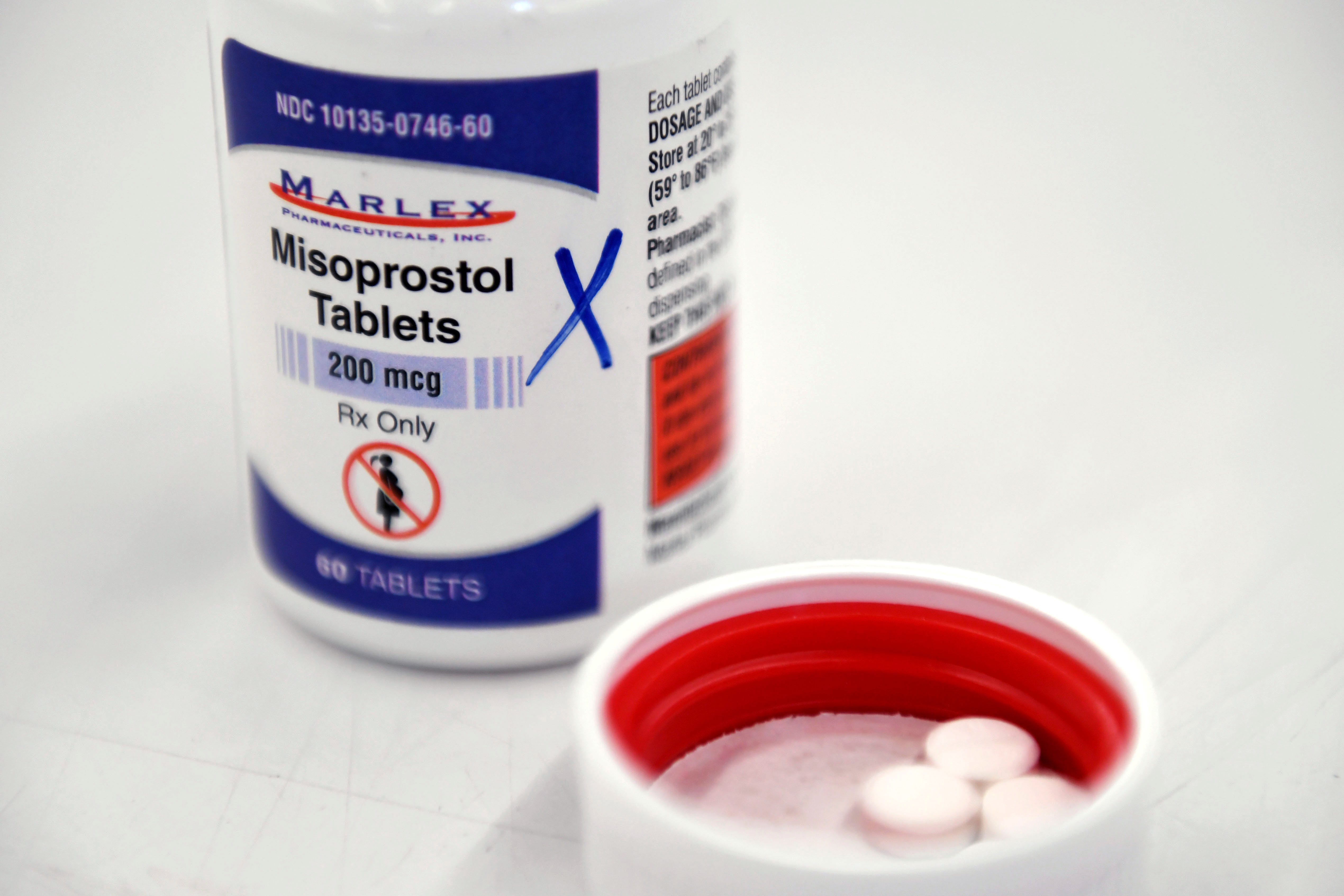
On any given day, Dr. April Lockley might be answering urgent medical questions about abortion care while at home with her toddler, riding in a car or running errands. As medical director of the Miscarriage and Abortion (M+A) Hotline, she is part of a growing network of clinicians providing confidential support to people navigating miscarriages and at-home abortions—often in states where access to clinic-based care has been severely restricted.
Since the Supreme Court overturned Roe v. Wade in 2022, Lockley says the tone of many calls has shifted dramatically. Before federal abortion protections were eliminated, callers were typically concerned about pain, side effects or what to expect physically. Now, a major source of anxiety centers on legal risk.
Many people reaching out to the hotline worry about whether seeking emergency care could expose them to law enforcement. Questions like “If I go to the ER, will they call the police?” have become common, reflecting widespread confusion and fear about criminalization in states with abortion bans.
The hotline was launched in 2019 by a group of physicians who anticipated that access to abortion would likely become more restricted nationwide. Staffed by more than 100 volunteer clinicians—including doctors, nurses and midwives—it operates seven days a week. Last year alone, the service fielded more than 14,000 phone calls and thousands of text messages. Providers often work solo shifts lasting several hours, during which they may respond to dozens of inquiries.
The range of questions is broad. Some callers want to know whether it’s safe to take ibuprofen after using abortion pills. Others are unsure whether they are bleeding too heavily—or not enough. Some suspect they are miscarrying and need guidance about what symptoms are normal. Increasingly, clinicians are assisting people who are managing abortions later in pregnancy after being unable to secure timely clinic appointments.
Although self-managed abortion with pills is legal in nearly every state, people have still faced legal consequences related to pregnancy outcomes. That reality has heightened concerns among patients, particularly in the Southeast, where many states enacted near-total bans following Roe’s reversal.

Thousands of demonstrators pack Union Square Park in New York City and the surrounding streets to protest the Supreme Court ruling overturning Roe v Wade June 24, 2022. / Imagn
Telehealth abortion—where a clinician prescribes pills remotely and mails them to a patient—now accounts for roughly a quarter of abortions nationwide. Self-managed abortions have also increased. Both methods are widely considered safe and effective by medical experts, and for many people in restrictive states, they are the only accessible option.
Lockley and her colleagues aim to provide clear, evidence-based medical information so callers can make informed decisions and avoid unnecessary risks. When legal concerns arise, the hotline refers individuals to the Repro Legal Helpline for specialized advice.
The work can be emotionally complex. Some callers are teenagers who lack comprehensive sex education and need basic information about pregnancy and menstrual cycles. Others are friends or parents supporting someone through an abortion.
Despite political and legal uncertainty, Lockley sees the hotline as essential infrastructure in a shifting reproductive health landscape. By offering confidential medical guidance, she says, the goal is to ensure people feel informed and supported rather than isolated or afraid.
People seeking confidential medical support while self-managing a miscarriage or abortion can reach the Miscarriage and Abortion Hotline at (833) 246-2632. Those looking for legal information and advice can contact the Repro Legal Helpline at (844) 868-2812.



