When viewers settle in each night to watch the Winter Olympics, they see breathtaking performances, emotional medal ceremonies, and perfectly timed replays. What they don’t see is the vast, intricate operation behind the scenes — powered in large part by women — that transforms raw competition into the seamless primetime spectacle broadcast to millions.
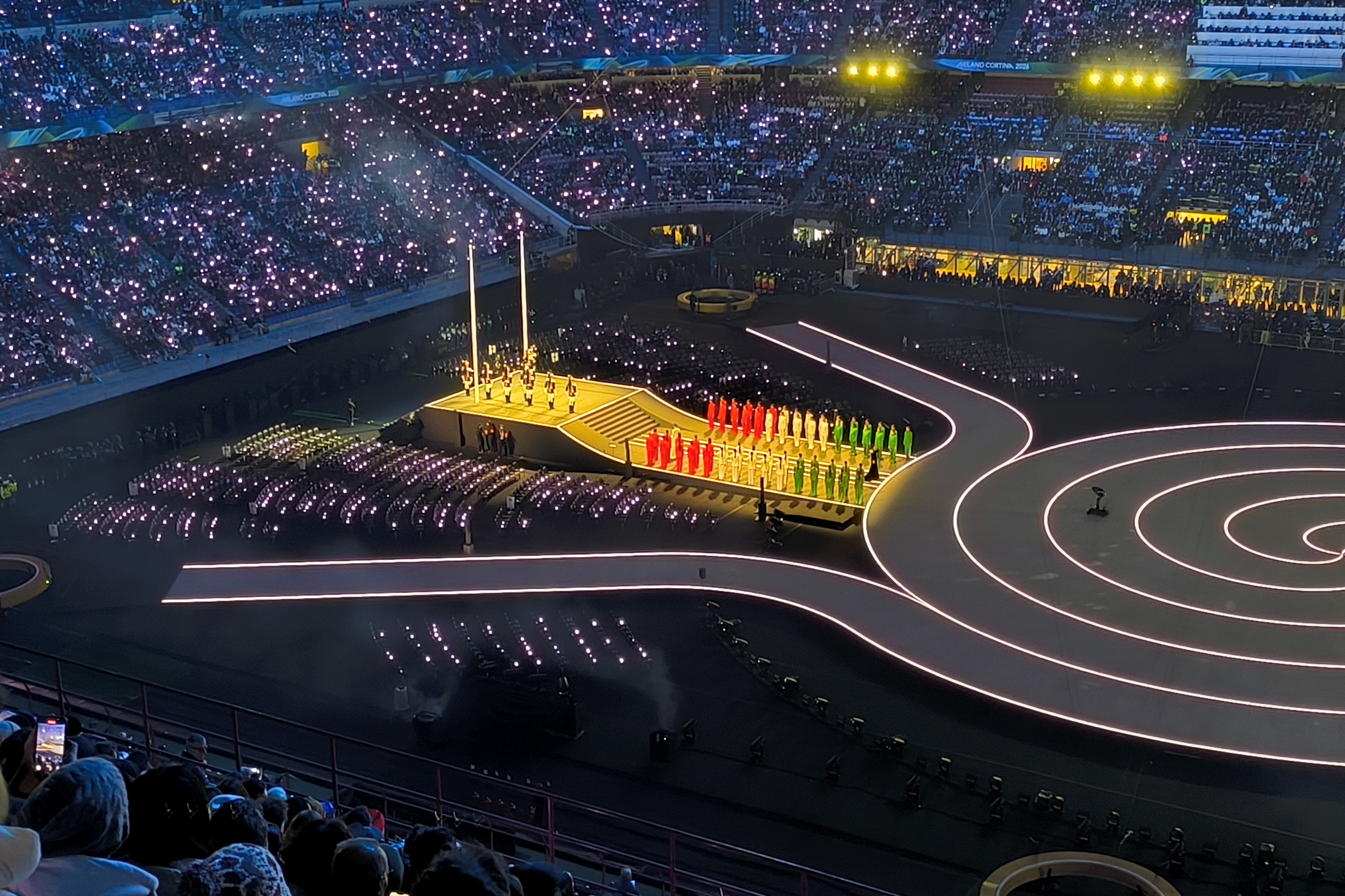
At NBC’s International Broadcast Center in Italy, more than 1,600 crew members work tirelessly to capture and transmit the Games. Equipment is shipped months in advance. Crews travel constantly between venues in Milan, Cortina, and beyond. Engineers, camera operators, editors, and technicians monitor live feeds from snowy peaks and packed arenas, refining every angle and audio cue.
But beyond the visible hustle in Italy, much of the orchestration is led by women based in the United States. In Stamford, Connecticut, senior executives Betsy Riley and Rebecca Chatman anchor NBC’s Olympic coverage. Riley serves as senior vice president and coordinating producer of the primetime broadcast, while Chatman is vice president and coordinating producer of Olympic production. Together, they guide hundreds of professionals, many of them women, who ensure the show runs flawlessly night after night.
Chatman describes the production as controlled chaos — a complex puzzle years in the making that still requires constant adjustment. Weather can delay events, unexpected victories can reshape storylines, and technical glitches must be resolved instantly. The Stamford team, which includes female producers, editors, and decision-makers at every level, works nearly around the clock to adapt in real time.

Riley oversees the 8 p.m. primetime show, coordinating everything from graphics and research to commentary and storytelling. While viewers experience a smooth narrative arc, the reality behind the scenes is rapid-fire decision-making. If an athlete delivers a surprise performance or an emotional moment unfolds, Riley and her team — many of whom are women shaping the editorial vision — pivot immediately.
One example came when Olympic bobsledder Elana Meyers Taylor celebrated her gold medal using sign language with her children. Producers chose to subtitle the exchange, a subtle but powerful choice that brought viewers closer to the moment. Decisions like these, often led by women in production roles, shape how millions experience the Games.
The scale of the operation demands endurance. Chatman’s days often begin before dawn; Riley’s stretch late into the night. Many women across the production team juggle intense schedules while maintaining focus and composure. Despite long hours, they describe the work as energizing — fueled by the privilege of capturing history in real time.

Both Riley and Chatman entered sports television through unconventional paths. Riley began in finance before discovering a passion for sports production. Chatman studied languages before breaking into broadcasting. Early in their careers, they were often the only women in meetings or control rooms. Today, they see a markedly different landscape, with women directing broadcasts, analyzing competitions, and managing production teams.
That shift is intentional. Both leaders prioritize mentorship and inclusion, recognizing that diverse voices lead to richer storytelling. Riley emphasizes building collaborative teams where everyone feels empowered to contribute ideas. Television at this level, she says, is truly a team sport — and women are increasingly at its core.
When the primetime broadcast begins, viewers see athletes illuminated by bright lights and soaring music. Behind those lights, countless women are calling shots, solving problems, and shaping the narrative. Their names may not appear on screen, but their leadership defines the Olympic experience millions cherish each night.