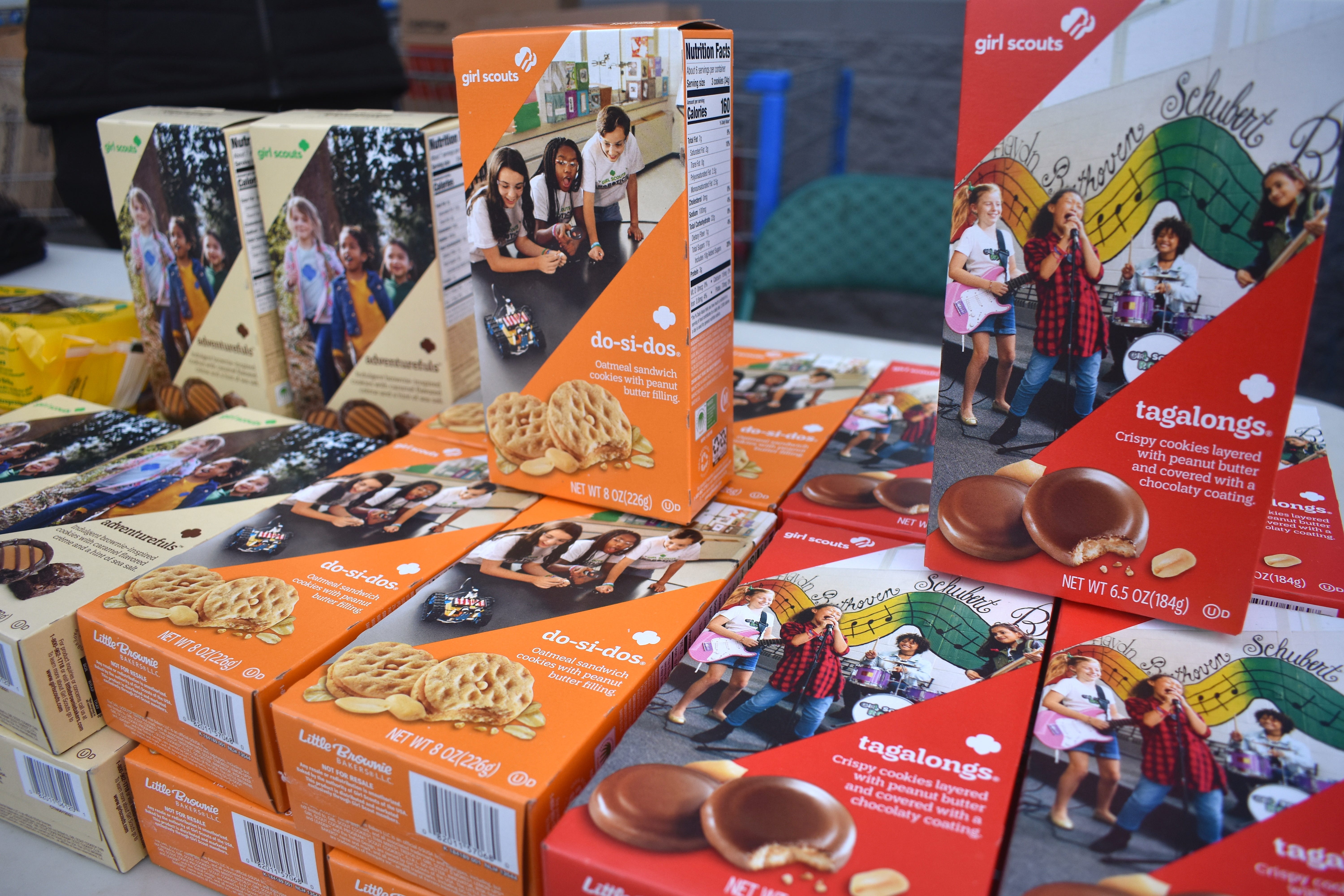
Girl Scouts of the USA is responding to growing online claims that its iconic cookies contain glyphosate and heavy metals, insisting the products remain safe and fully compliant with federal food safety standards.
The controversy began after a recent report alleged that certain Girl Scout Cookie varieties contained measurable levels of glyphosate—a widely used agricultural herbicide—and trace amounts of heavy metals. The findings circulated quickly across social media, prompting concern among parents, volunteers and longtime supporters of the program.
In an official statement titled “An Important Update for Our Members and Supporters,” the organization emphasized that consumer safety is its top priority.
“Rest assured: Girl Scout Cookies are safe to consume,” the group said.
What Is Glyphosate — and Why Is It Showing Up in Tests?
Glyphosate is a common herbicide used in large-scale agriculture. It is regulated by the Environmental Protection Agency (EPA) and permitted within specific tolerance levels. Because it is widely used on crops, trace amounts can appear throughout the food chain—from cereals and baked goods to fruits and vegetables.
Similarly, heavy metals such as lead, cadmium and arsenic can occur naturally in soil and water. This means plant-based foods—including organic products—can sometimes contain small, naturally occurring amounts.
Girl Scouts says neither glyphosate nor heavy metals are added ingredients in its cookies. Instead, if present, they are environmental trace contaminants found in many agricultural products.
Organization Says Standards Were Misapplied
According to Girl Scouts, the testing standards cited in the report rely on EPA water safety guidelines, which are not intended as benchmarks for food products.
“You would need to consume an enormous amount of Girl Scout Cookies to exceed the tolerance levels set by regulatory authorities,” the organization said in guidance prepared for volunteers.
The cookies are produced by licensed bakers who adhere to food safety requirements set by the U.S. Food and Drug Administration (FDA) and other regulatory bodies, Girl Scouts noted.
The group emphasized that the reported levels do not pose a food safety concern based on current federal standards.
Two Bakers, Same Standards
Girl Scout Cookies are made by two licensed bakeries. Depending on region, certain varieties have different names—such as Samoas® versus Caramel DeLites®—but the organization says both bakers follow identical federal compliance standards.
The Girl Scout Cookie Program, which has operated for more than 100 years, is billed as the largest girl-led entrepreneurial program in the world. Beyond selling cookies, participants learn business skills such as budgeting, communication and leadership.
Every purchase “powers life-changing experiences for Girl Scouts right in your local community,” the organization said.
Broader Context: Trace Contaminants in Food
Food safety experts note that trace detection of substances does not necessarily equate to danger. Regulatory agencies establish allowable exposure levels far below amounts considered harmful.
The U.S. Food and Drug Administration provides public information explaining how environmental contaminants may appear naturally in food without posing health risks.
As the discussion continues online, Girl Scouts says it is equipping volunteers with talking points to address questions directly and reassure families.
For now, the organization maintains its position: the cookies remain safe, federally regulated, and compliant with current food safety laws.
The debate highlights how increased food testing transparency—and viral social media amplification—can quickly turn laboratory data into national controversy, even when regulatory agencies deem products safe under existing standards.