
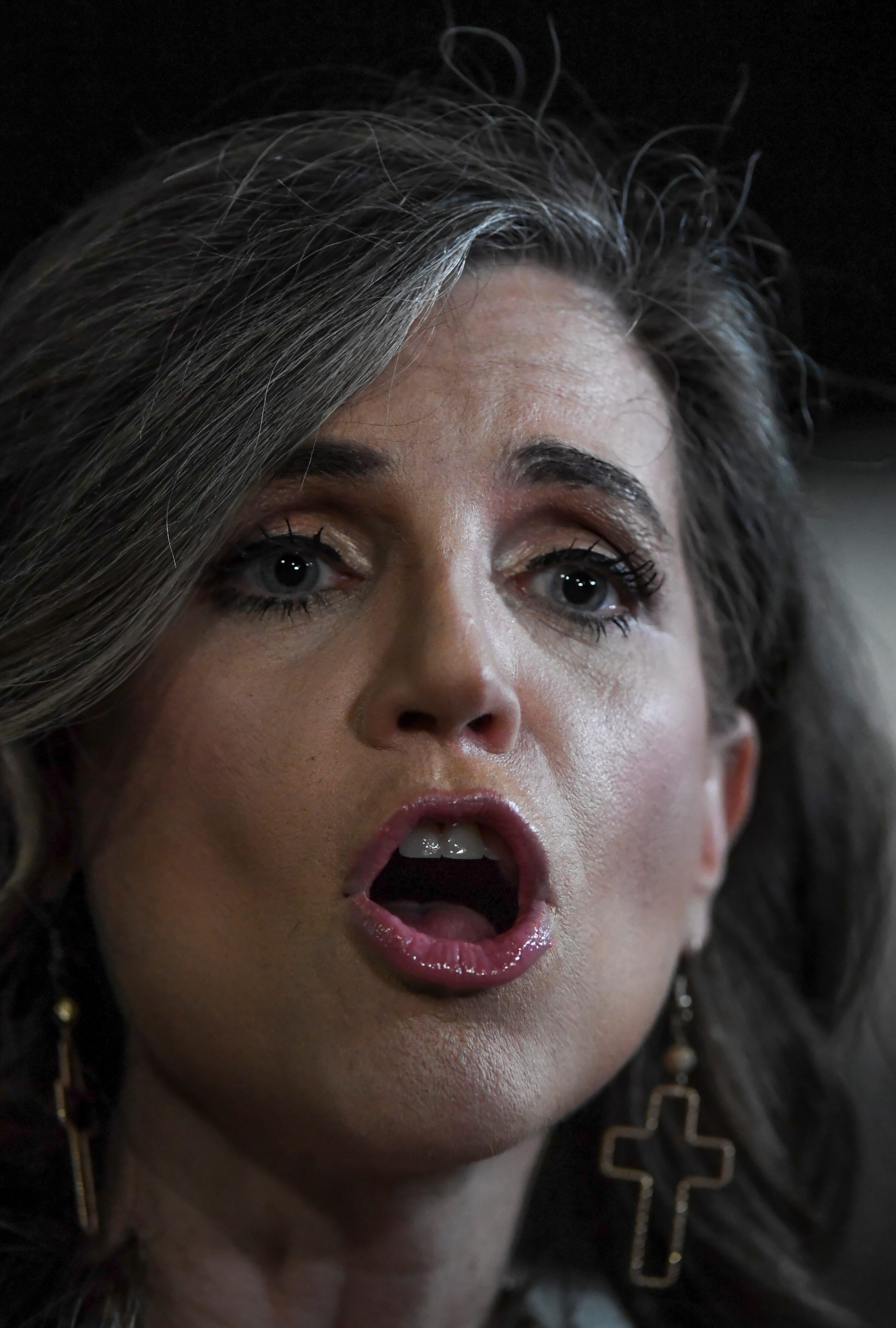
Rep. Nancy Mace is once again escalating her voice over the handling of the Jeffrey Epstein files, accusing the federal government of concealing crimes against children and rebuking critics who question those pushing for more transparency.
In a sharply worded post on X, Mace wrote: “I’m not sure who needs to hear this but children were assaulted. The government covered it up. And some are angered with the people exposing it? Check your priorities. Then check your conscience.”
Her comments come amid renewed public debate over document disclosures related to Jeffrey Epstein, the disgraced financier who died in federal custody in 2019 while awaiting trial on sex trafficking charges. In recent weeks, lawmakers and activists have clashed over what additional records should be released and whether prior investigations were handled appropriately.
Mace has positioned herself among those demanding fuller transparency, arguing that the focus should remain on the victims rather than political fallout. Her statement suggests deep frustration with what she views as misplaced criticism aimed at individuals calling for more information, rather than at institutions accused of failing to prevent or properly prosecute abuse.
The South Carolina congresswoman has repeatedly questioned the Justice Department’s past decisions related to Epstein and his associates, echoing broader concerns raised by some Republicans about plea agreements, redactions, and investigative gaps. At the center of the controversy is whether officials did enough to pursue powerful individuals who may have been connected to Epstein’s activities.
While Mace’s assertion that “the government covered it up” reflects a sentiment shared by some of her supporters, federal authorities have denied any intentional concealment of evidence to protect public figures. Investigations into Epstein’s network have resulted in multiple prosecutions, including the conviction of Ghislaine Maxwell in 2021 for sex trafficking-related offenses.
Still, the broader public mistrust surrounding the Epstein case has lingered for years, fueled by the scope of his social circle and the controversial 2008 plea deal that allowed him to avoid more severe federal charges at the time.
Mace’s latest post underscores a recurring theme in the ongoing dispute: a moral framing of the issue. By urging critics to “check your priorities” and “check your conscience,” she is casting the debate not simply as a political disagreement, but as a question of ethical alignment — whether outrage is being directed at the right target.
As congressional scrutiny and public pressure continue, the fight over disclosure, accountability and institutional responsibility shows little sign of fading.



