
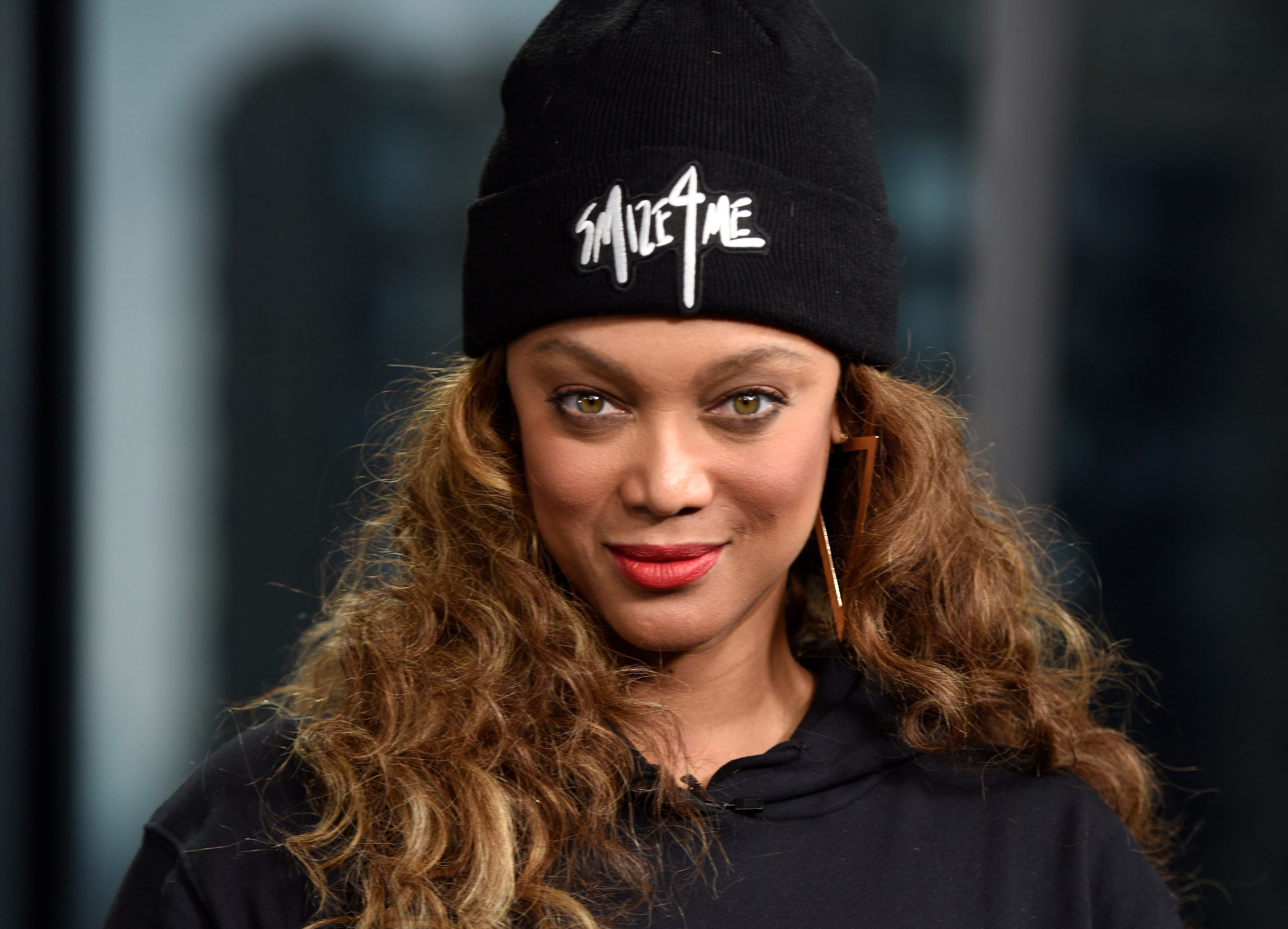
Tyra Banks once branded herself as a champion for women who didn’t fit the mold. Now, critics argue that parts of her television empire did the opposite.
Banks rose to global fame as a boundary-breaking supermodel before reinventing herself as a media mogul. With America’s Next Top Model, she promised aspiring models mentorship, opportunity and empowerment. The show ran for 24 cycles and became a pop-culture staple, credited with introducing audiences to a more diverse cast of contestants than traditional fashion spaces had historically embraced.
But years later, as old clips resurface online, a more complicated narrative has taken hold.
Scenes once framed as tough love are now being questioned. Contestants were urged to close a tooth gap, alter their weight, dramatically change their hair or undergo makeovers that left some in tears. Emotional breakdowns were often televised in full, packaged as part of a contestant’s “growth arc.” What aired in the 2000s as high-drama mentorship now lands differently with audiences more attuned to mental health and power dynamics.
Banks’ critics say the disconnect is striking. Publicly, she spoke out against body shaming and positioned herself as proof that women could defy narrow beauty ideals. On her talk show, she addressed self-esteem and unrealistic standards. Off the runway, she famously clapped back at tabloids criticizing her weight.
Yet on America’s Next Top Model, the industry standards contestants were expected to meet often reflected the same pressures she condemned.
The tension has become part of a broader cultural reevaluation of early-2000s reality television. Shows of that era frequently relied on humiliation, confrontation and extreme challenges to drive ratings. Participants signed up for exposure, but many have since described environments that felt psychologically intense.

Victoria’s Secret Angels: Victoria’s Secret models from left, Adriana Lima, Alessandra Ambrosio, Gisele Bundchen, Tyra Banks, and Heidi Klum, during a press conference at the Miami Beach store, Wednesday November 10, 04, in Miami Beach. Gisele Bunchen With Victora Secrets Angels 08
Banks acknowledged in 2020 that certain moments from the show were “insensitive” and said she took responsibility for some of the missteps. Still, the reassessment continues as audiences debate whether her platform ultimately empowered women — or reinforced the very systems it claimed to disrupt.
Her career arc mirrors a wider shift in how feminism is defined in media. In the early 2000s, empowerment often centered on individual resilience: endure criticism, toughen up, transform. Today’s framework places more emphasis on structural change, informed consent and emotional well-being.
As viewers revisit the shows that defined Banks’ brand, they are asking harder questions about what empowerment really looked like behind the scenes — and whether advocacy can coexist with spectacle when one person holds all the power.



