
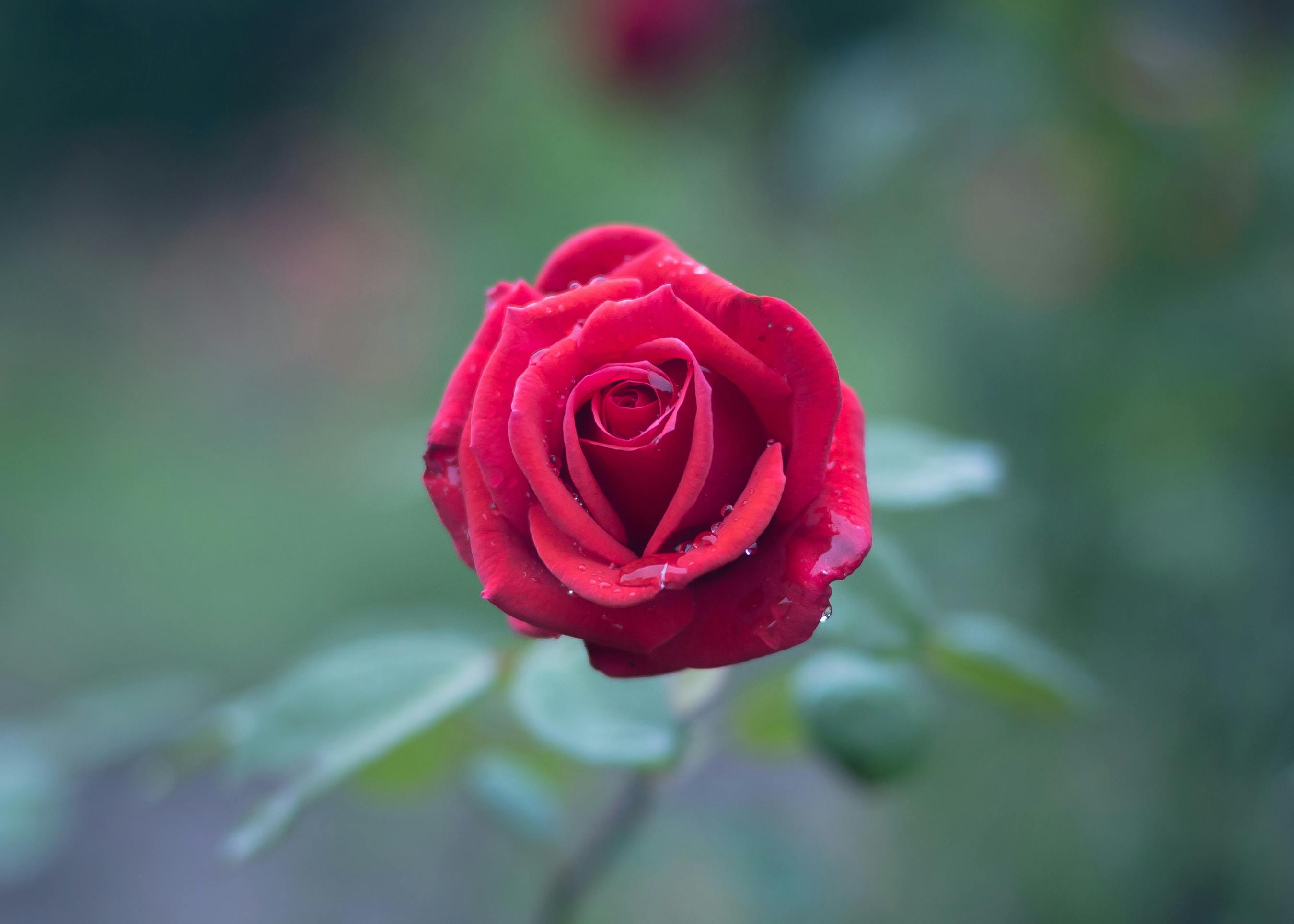
Before picking up a bouquet for Valentine’s Day, campaigners say consumers may want to pause and ask an uncomfortable question: what else comes home with those roses?
Mid-February falls in the heart of winter, when very few flowers grow naturally in Europe. Yet shops are filled with brightly colored roses, tulips and mixed arrangements — many of them cultivated abroad under intensive chemical regimes. According to recent testing by Pesticide Action Network Netherlands (PAN-NL), the problem is not minor – labeling flowers as dangerous “poison bombs.”
Unlike food, flowers sold in Europe are not subject to maximum pesticide residue limits. That regulatory gap means conventional bouquets — roses, lilies, tulips, gerberas and other popular varieties — can contain multiple chemical residues without violating consumer standards.
To assess what shoppers might encounter ahead of Valentine’s Day, PAN-NL purchased 13 bouquets — including tulips, roses and mixed arrangements — and sent them to a certified laboratory for analysis. Residues were detected in every single bouquet tested.
Across the 13 samples, scientists identified 71 active pesticide substances. Of those, 28 — roughly 39% — are banned for use within the European Union. On average, each bouquet contained 25 different pesticide residues. According to PAN-NL, about two-thirds of the detected chemicals pose risks to human health, biodiversity or both. Among the substances identified were highly hazardous pesticides and compounds classified by the EU as candidates for substitution due to their toxicity. In some bouquets, multiple banned pesticides appeared together.
The highest number of banned substances was found in certain supermarket bouquets, with up to 11 prohibited chemicals detected in a single bunch of roses. Measured residue levels in some cases reached double-digit milligrams per kilogram.
The findings underscore a broader issue in the global flower trade. Because production costs in Europe are high, much rose cultivation has moved to lower-wage countries such as Kenya and Ethiopia. These regions supply European markets — often via Dutch distribution hubs — and may operate under weaker pesticide regulation or enforcement. Ironically, some pesticides banned inside the EU are still manufactured there and exported to countries where they remain legal, before returning to European consumers on imported goods.
Health advocates argue that the consequences extend beyond buyers. Farmworkers, packers and florists may face repeated exposure to these chemical mixtures. In the Netherlands, concerns over pesticide drift have already prompted legal disputes, including court challenges against certain flower growers.
One widely reported case in France intensified scrutiny. After years of investigation and litigation, French authorities recognized a link between a florist’s prolonged workplace pesticide exposure and her daughter’s fatal leukemia. The government ultimately compensated the family, spotlighting occupational risks in the flower industry.
Scientific literature has associated various pesticides with neurological damage and diseases such as Parkinson’s, Alzheimer’s and ALS, though the long-term impact of combined “cocktails” of residues on cut flowers remains incompletely studied.
Campaigners argue that Valentine’s Day — the floral industry’s busiest season — presents an opportunity for change. PAN-NL is urging consumers to consider organically grown, seasonal flowers or ornamental plants certified organic. The organization also advises disposing of conventional bouquets in residual waste rather than compost or organic bins to prevent pesticide residues from reentering soil systems.
Beyond consumer guidance, the group is calling for policy reforms. It wants the EU to establish maximum residue limits for ornamental plants and enforce zero tolerance for pesticides banned within the bloc. It is also advocating for a ban on the production and export of pesticides prohibited domestically.
For those planning to celebrate with flowers, the message from advocates is simple: beauty may bloom brightly in February, but behind the petals, the chemical story can be far more complicated.
Source: Pesticide Action Network Europe



