
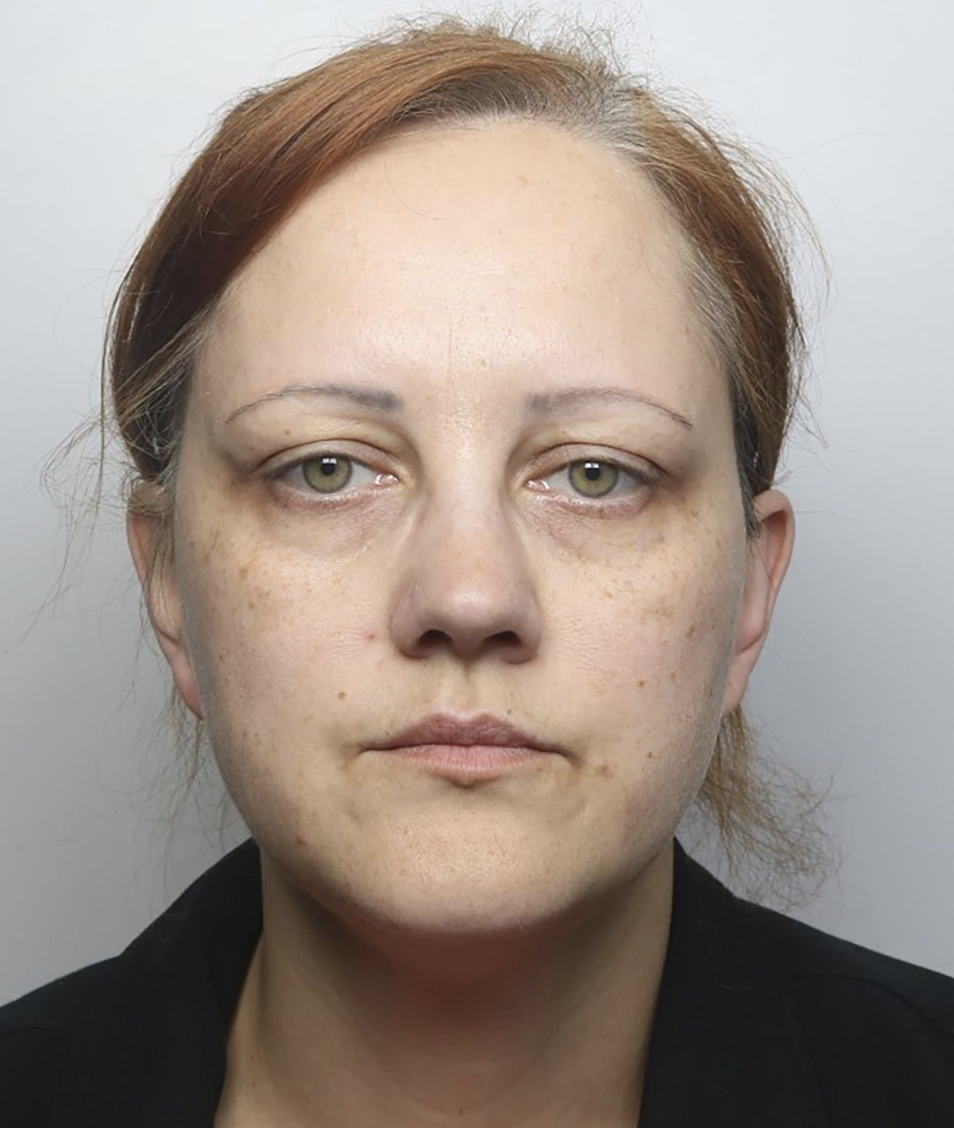

A woman who left Poland for a new life in England in 2010 was murdered, dismembered and buried beneath concrete in the backyard of the home she shared with her partner, a jury has found — bringing a 15-year mystery to a close.
On Feb. 10, jurors at Derby Crown Court convicted Anna Podedworna of murdering her partner, Izabela Zablocka, along with preventing a lawful burial and perverting the course of justice. Zablocka’s disappearance had remained unsolved for years after she abruptly lost contact with her family shortly after relocating to the United Kingdom.
Zablocka was last heard from on Aug. 28, 2010, when she phoned her mother in Poland. After that call, she vanished. Relatives were left searching for answers as months turned into years without any trace of her whereabouts.
Her remains were not discovered until June 1, 2025, when they were unearthed beneath a layer of concrete in the backyard of a Princes Street property in Derby — the same house she had shared with Podedworna at the time of her disappearance.

During the trial, prosecutors told jurors that Zablocka was killed shortly after her final phone call home. They alleged her body was later cut in half using a large knife before being buried in the garden. Evidence presented in court indicated that significant force would have been necessary to sever her spine. Jurors also heard that her legs had been bound with electrical tape before burial.
Podedworna had previously worked as a butcher, a role that involved deboning and cutting animal carcasses. Prosecutors argued that her professional experience was relevant to how Zablocka’s body was handled after her death.
For years, Zablocka’s fate remained unknown. According to testimony, Podedworna contacted police in May 2025, initially saying she had information about the long-unsolved disappearance. She later directed officers to the burial site in the garden. Prosecutors suggested she came forward under mounting pressure after a Polish television journalist sought to interview her about the case.
During the trial, Podedworna claimed that Zablocka’s death resulted from a violent altercation and said she acted in self-defense. The jury rejected that version of events, returning guilty verdicts after more than seven hours of deliberation.
While the exact motive for the killing was not definitively established, prosecutors described the relationship as troubled and suggested there may have been elements of jealousy. Zablocka’s daughter, who had remained in Poland when her mother moved to England, told investigators she believed her mother had wanted gender reassignment surgery but lacked the financial means to pursue it.
Observers in court reported that Podedworna showed little visible emotion as the verdict was announced.
The conviction has finally provided answers to Zablocka’s family after more than a decade of uncertainty. Podedworna is scheduled to be sentenced on Feb. 11.
The case closes a long and painful chapter for those who spent years wondering what happened to a woman who sought a fresh start abroad — only to meet a violent end hidden beneath the ground of her own home.



