
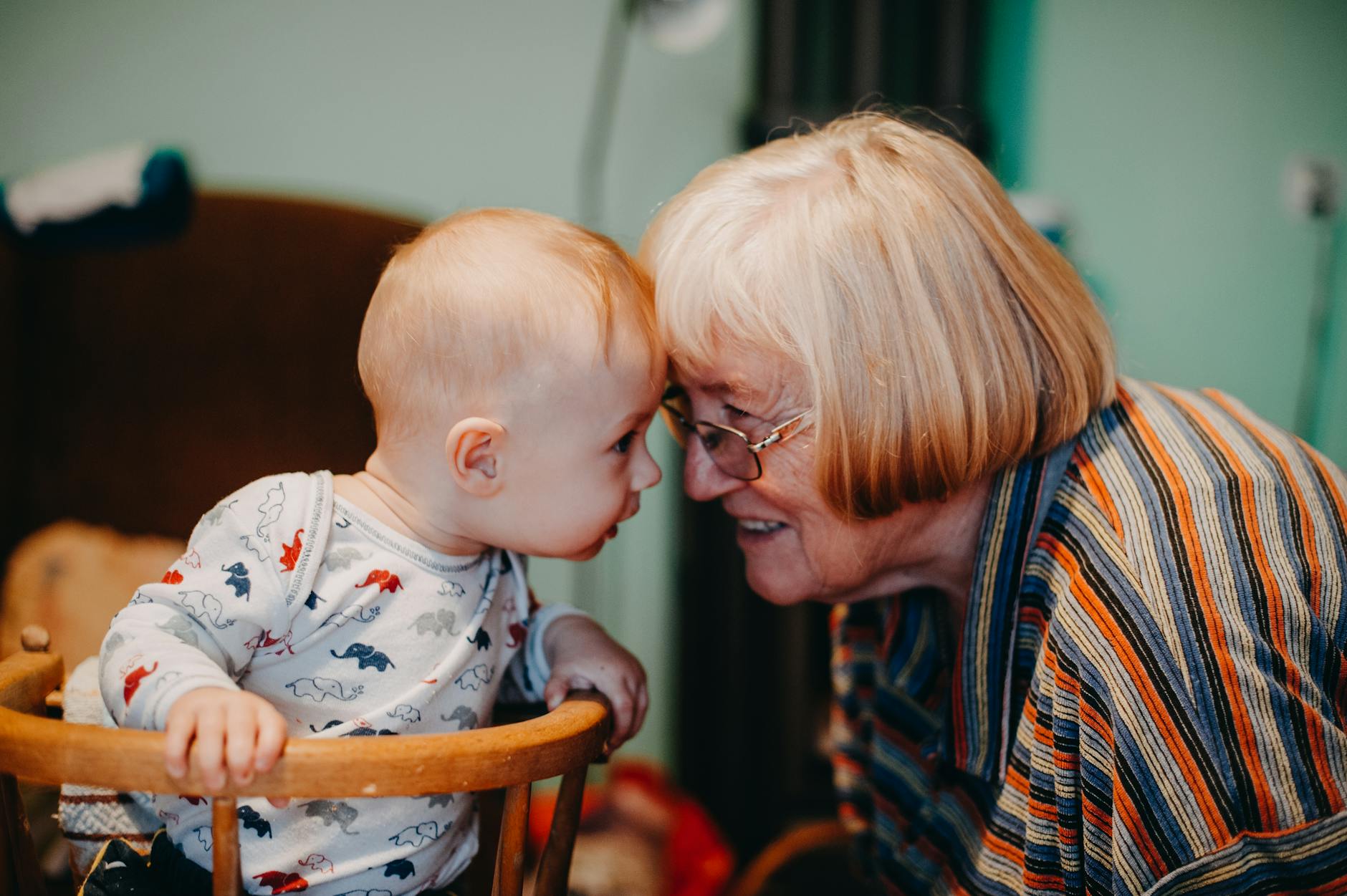

Forget sudoku and crossword puzzles – there’s another, far cuter way for grandparents to keep their minds razor-sharp! A fresh investigation out of the Netherlands has put a new spin on the mental benefits of babysitting, revealing that spending time looking after grandkids might just be the ultimate secret to staying mentally fit.
Groundbreaking research by experts at Tilburg University, just published in the esteemed journal Psychology and Aging, has discovered a compelling link between caregiving for grandchildren and maintaining superior brainpower in later life. It seems that lending a hand—be it homework help, preparing dinner, soothing sick little ones, or tackling a marathon night of babysitting—does wonders for memory and verbal agility.
The researchers didn’t just focus on one-off anecdotes or isolated cases. They analyzed an impressive sample of 2,887 grandparents, all aged over 50—most hovering around 67 years old. Each participant was asked, through extensive surveys, to spill the beans on their grandparenting resume over the past year. Did they pinch-hit as the family taxi driver, offer an academic assist at math hour, whip up beloved recipes for picky eaters or keep vigil during a feverish night? The answers to these questions were tallied alongside performance on rigorous memory and language assessments.
The cohort was tracked not just once, but three times—spanning the years from 2016 up through 2022. Each time, the brain-boosting effects of childcare kept shining through. The more involved the grandparent, the stronger the effect—but, surprisingly, what really boosted brainpower wasn’t the sheer number of hours spent or the specific babysitting tasks performed.
Lead author Flavia Chereches was struck by this. In a statement to the media, Chereches explained: “What stood out most to us was that being a caregiving grandparent seemed to matter more for cognitive functioning than how often grandparents provided care or what exactly they did with their grandchildren.” She went on: “More research is needed to replicate these findings, yet, if there are benefits associated with caregiving for grandparents, they might not depend on how often care is provided, or on the specific activities done with grandchildren, but rather on the broader experience of being involved with caregiving.”
Translation: Whether you’re playing hide-and-seek or supervising a spelling test, you’re reaping brain perks just by being part of your grandchild’s life. The actual day-to-day duties—driving to soccer practice or consoling after a scraped knee—don’t seem to make a difference. Even the timetable—whether babysitting is a weekly gig or a twice-yearly treat—doesn’t matter as much as simply being involved.
For grandmothers, this discovery is especially exciting. The scientists found that women who cared for their grandkids showed a noticeably slower decline in thinking skills compared to those who kept their distance from the grandparenting duties. Matriarchs, take note: those bedtime stories and after-school snacks you provide could be just as vital for your brain as they are for your grandkids’ happiness!

It’s no secret that keeping the mind young is about more than crosswords and chess. Experts have long championed the magic combo of learning new skills and staying socially connected to ward off cognitive decline. This study adds weight to the argument that everyday family life—especially the slightly chaotic, ever-changing adventure of helping raise little ones—offers plenty of mental gymnastics. Being a hands-on grandma or grandpa means adapting, multitasking, and interacting in ways that challenge memory, language, and problem-solving.
But don’t start planning round-the-clock babysitting duties just yet. The researchers were quick to acknowledge a couple of caveats. Since grandparents self-reported their caregiving, there’s always the risk that some embellished (or underplayed) their actual involvement. Additionally, the team had no way to assess how these individuals lived in their younger years. Perhaps those most involved with their grandchildren have always led active, socially-engaged lives—a factor that could also account for better cognitive health.
Still, the headline news couldn’t be clearer: saying “yes” to that occasional babysitting request might be just as beneficial for you as it is helpful for your adult children. It’s good news for the millions of older adults looking for ways to stay sharp—and perhaps the perfect excuse to volunteer for the next school run or sleepover.
Beyond the statistical findings, brain health specialists unaffiliated with the study were keen to point out the broader significance. Keeping mentally sharp is all about staying active, engaged, and willing to learn new things. What could be more stimulating than answering a child’s never-ending questions, managing a meltdown in the cereal aisle, or mastering the latest playground game?
A spokesperson for the study summed it up perfectly, insisting that “learning new things and social connections are both important for cognition.” Like a muscle, the brain needs constant use to stay in top condition. Sharing time, energy, and experiences with grandchildren gives grandparents regular chances to flex their mental muscles.
With the world’s population rapidly aging, this research arrives at a crucial time. As families become more dispersed and busy, finding ways for older adults to stay connected isn’t just good for preventing loneliness—it may, as these Dutch scientists suggest, dramatically slow the march of memory loss.

So, the next time your daughter or son rings in need of a last-minute babysitter, science has spoken: embrace those lively, unpredictable moments. They might not just add fun and laughter to your life, but keep your mind firing on all cylinders. And if you need another reason to say yes? Just remember, the benefits go both ways—helping to forge cherished bonds and, with any luck, keeping dementia and cognitive decline at bay.
In summary: dropping everything for a day with the grandkids might just be the ultimate brain-boosting hack, and no, you don’t have to be an expert at Monopoly or TikTok dances to participate. Just say yes, get involved, and let the games (and brain gains) begin!



