
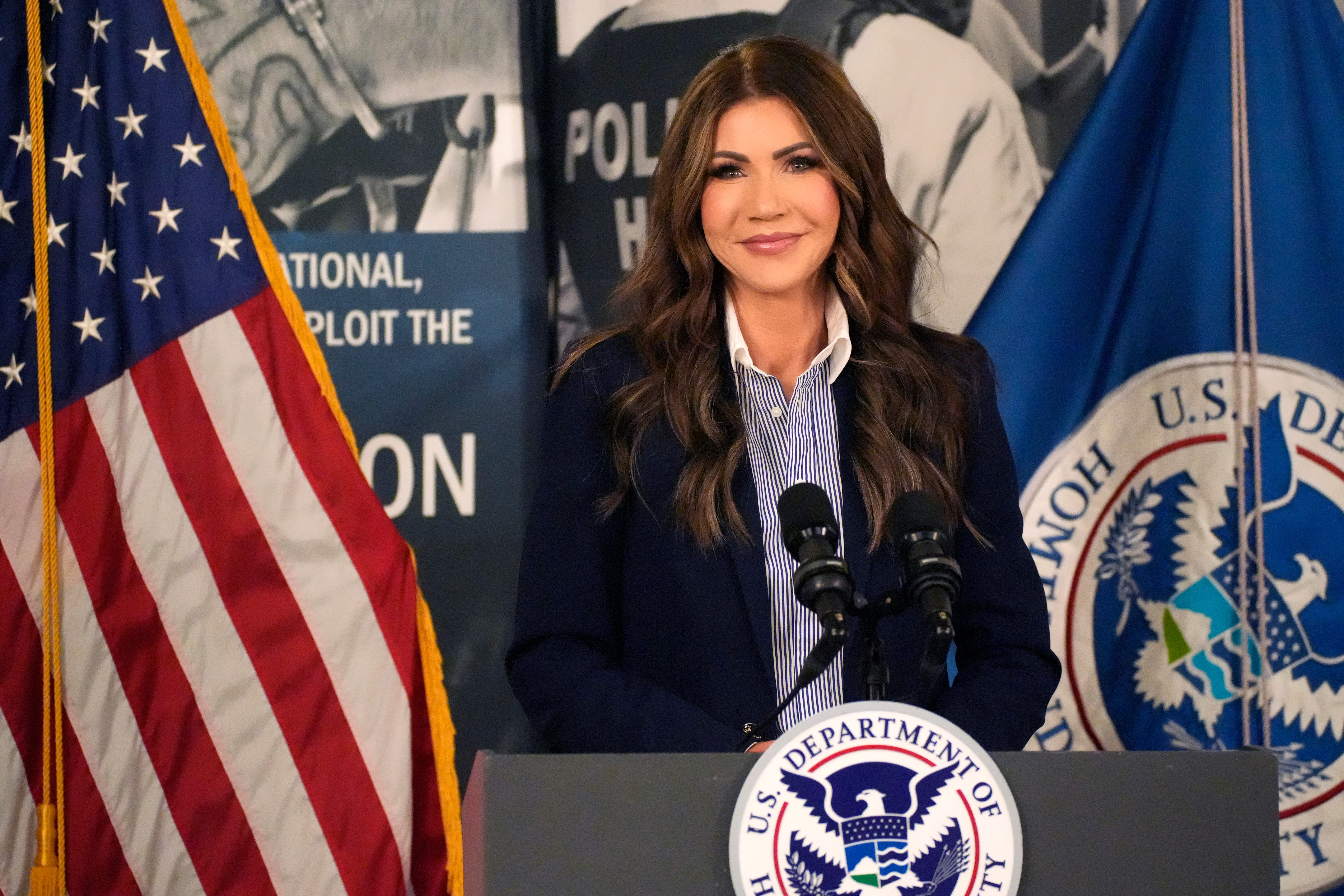
U.S. Secretary of Homeland Security Kristi Noem held a news conference Saturday at Miami International Airport, where she highlighted sweeping technology upgrades and investments for the Transportation Security Administration and airport security across the United States.
Noem praised MIA’s ongoing $9 billion modernization plan and emphasized the Department of Homeland Security’s role in removing criminals and supporting specialized units that target human trafficking. She noted the airport’s human trafficking unit conducted more than 2,200 inspections last year and made 24 arrests related to child exploitation.
As part of broader upgrades, Noem said DHS is committing another $1 billion toward security technology improvements nationwide. These enhancements include expanded canine teams, computed tomography scanners, and enhanced imaging systems that are already helping some passengers move through screening up to 30 % faster at Concourse D in Miami.
“We’ll be increasing our K-9 presence with teams that will deploy all across the country, computed tomography, and enhanced imaging technology,” Noem told reporters, emphasizing faster and more efficient security screening.
Noem’s remarks came amid heightened scrutiny over her comments and leadership following recent federal law enforcement actions — including the fatal shooting of Alex Pretti in Minneapolis and another death tied to an immigration enforcement operation. Two Republican senators, Thom Tillis and Lisa Murkowski, have called for Noem’s resignation in light of those controversies.

During the conference, Noem was also asked about the recent ruling by a federal appeals court that found her administration exceeded its authority by ending temporary protected status for Venezuelan migrants; she addressed how DHS is handling the expiring TPS for Haitian nationals as well.
Noem framed the technology investments and TSA’s expanded security role as part of DHS’s mission to protect Americans and deter crime, linking advanced screening, canine units, and enhanced imaging to a broader strategy of modernizing U.S. airport security.



