

Imagn
In the crowded streets and quiet alleyways of India’s major cities, a hidden economy has taken root—one that exists at the intersection of poverty, parenthood, and desperation. Beneath the glossy surface of the country’s booming fertility industry, an underground trade continues to thrive: women secretly selling their eggs, despite strict laws meant to stop the practice.
In a small café in Mumbra, outside Mumbai, a 34-year-old woman known only as “H” sits in the afternoon sun, aware that her physical features and reproductive health have made her valuable in this shadow market. She believes she may have helped create dozens of children through repeated egg retrievals, making her, biologically, a mother many times over—though she has never met any of the families involved.
H’s work is illegal under India’s current reproductive laws, but for her, it has become a means of survival. After leaving an unhappy marriage and losing custody of her two children, she struggled to afford housing and basic necessities. A friend introduced her to the world of egg selling, explaining that clinics would pay women for the eggs needed in IVF procedures. What began as confusion soon turned into routine.
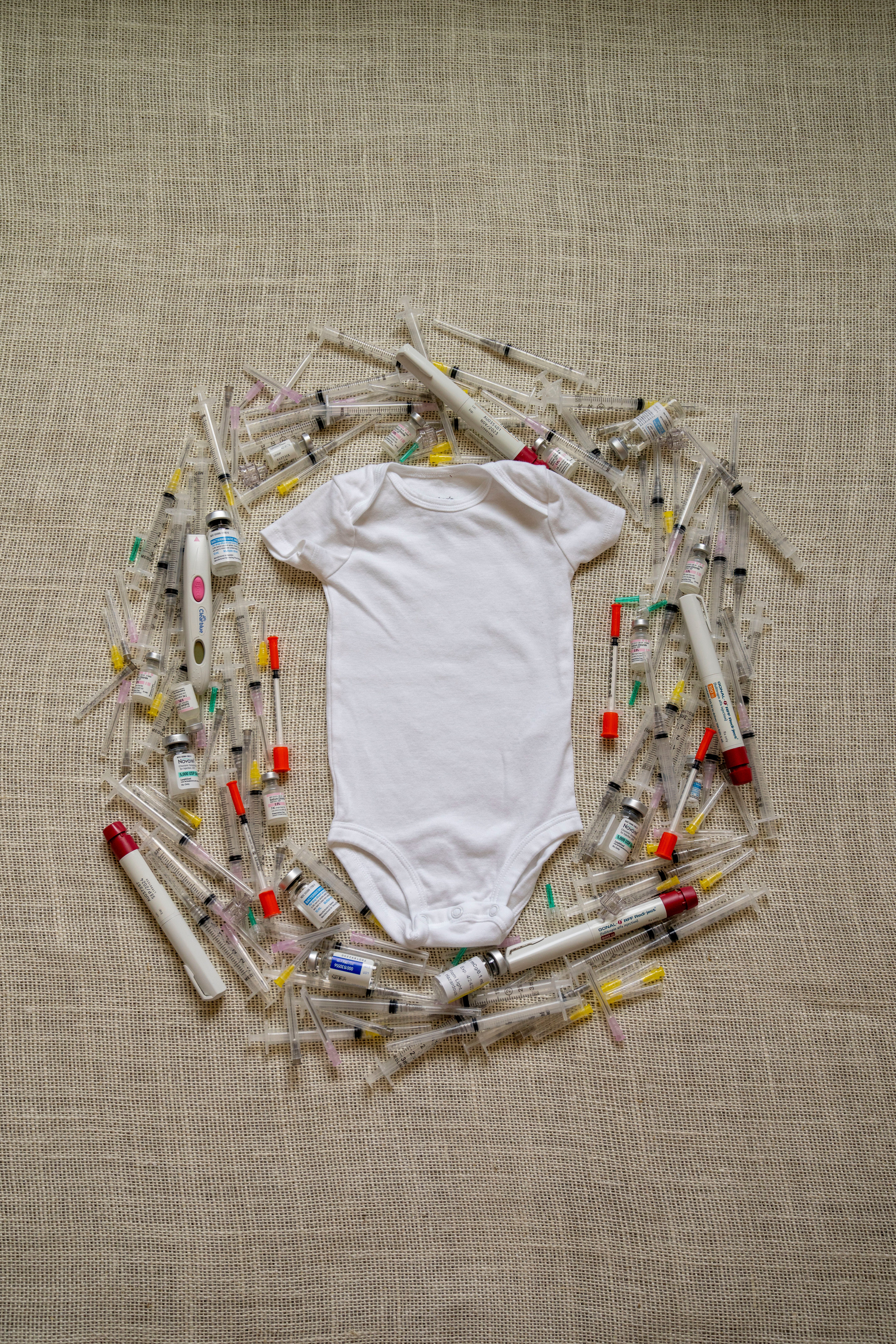
The process is far from simple. Normally, a woman releases one egg per month. But when women like H are recruited, they undergo days of hormone injections designed to stimulate the ovaries into producing 20 or more eggs at once. Under anesthesia, medical staff extract the eggs using a needle inserted through the vaginal wall. H says she has endured this procedure repeatedly—possibly around 30 times in five years.
Payments vary widely. At times, H has received the equivalent of several hundred dollars per extraction, an amount that can exceed what many workers earn in a month. In a country marked by deep inequality, this money can mean rent, food, school fees, or medical care.
Women in Chennai’s poorer neighborhoods describe similar motivations. Some have sold eggs to pay for children’s education, cover hospital bills, fix leaking roofs, or survive after losing a spouse. Many live in cramped one-room homes and earn only a few dollars a day through factory work or informal labor. For them, egg selling is not a choice made lightly—it is often a last resort.
Although the practice is commonly referred to as “donation,” it is rarely altruistic. The women involved are usually compensated based on factors such as appearance, education, caste background, and perceived egg quality. Couples seeking donors may request specific traits, creating a system where women’s bodies become commodities shaped by demand.
India outlawed the commercial sale of eggs in 2021 through the Assisted Reproductive Technology Act. The law was designed to prevent exploitation by limiting egg donation to once in a lifetime, only for married women with at least one child, and only for one recipient couple. The government hoped these restrictions would end the fertility industry’s “wild west” era, when India was known internationally as a hub for surrogacy and reproductive tourism.
However, critics argue the crackdown created unintended consequences. By severely limiting legal egg supply while demand for IVF continues to rise, the law pushed the market underground rather than eliminating it. With no national registry tracking donors, clinics have little way of confirming whether a woman has donated before. Some women reportedly travel between cities using fake identification to avoid being turned away.
The black market is fueled by intermediaries. Clinics often rely on ART banks and agents who recruit women through WhatsApp networks, social media ads, and word of mouth. Recruiters receive referral payments and take a portion before passing money along to the donor. This system allows clinics to distance themselves from direct transactions, even as the trade continues.
The lack of oversight leaves women vulnerable. Because they are operating illegally, they have little protection if something goes wrong. H describes waking from one procedure with injuries and swelling, unsure of what happened while she was unconscious. She did not report it, fearing legal consequences. In another case, she says an agent failed to pay her after an extraction, and the clinic told her the dispute was not their responsibility.
There are also troubling reports of minors being drawn into the trade. In one case, a teenager was allegedly recruited with a fake ID and encouraged to appear older so her eggs could be harvested. Her family later filed a police complaint, but advocates say many victims stay silent due to stigma and fear.
Researchers and legal experts warn that banning compensation without addressing economic realities has made exploitation harder to detect. Participants in the underground system have no bargaining power, no medical guarantees, and nowhere to turn if harmed.
Some scholars argue that one solution would be to legalize regulated compensation—not paying for eggs as a product, but paying women fairly for the labor, risk, and medical burden involved. They point out that every other actor in the fertility industry profits, while the women providing the essential biological material are criminalized.
Meanwhile, women like H continue, caught between physical danger and financial need. She remains determined to support the children she gave birth to, even as she risks her health to survive. For her and many others, egg selling is not framed as crime or charity, but as a harsh form of livelihood in a system where desperation and demand quietly sustain an illegal market.
In India’s fertility boom, the dream of parenthood for some is still being built on the hidden sacrifices of others—women whose contributions remain largely unseen, unprotected, and unresolved.



