
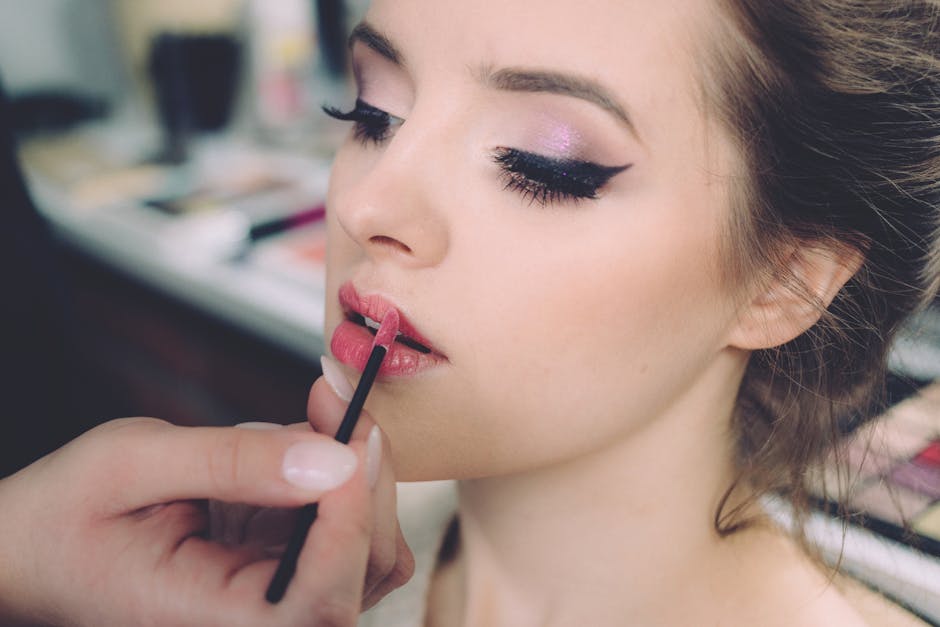

TikTok’s chaotic culture machine has found a new fixation, and it sits right at the intersection of beauty, politics, and online mockery. The so-called “Conservative Girl” makeup trend has taken over feeds, sparking fierce debate and relentless parody. What began as satire has snowballed into a viral phenomenon that blends cosmetic critique with political identity—sometimes uncomfortably so.
The trend gained momentum after liberal comedian Suzanne Lambert posted a tongue-in-cheek video pointing out what she described as a recognizable aesthetic among “MAGA girlies.” Her exaggerated portrayal leaned hard into heavy lip liner, mismatched foundation, overdone mascara, and minimal blending, framing the look as harsh, flat, and outdated. The video struck a nerve, quickly inspiring thousands of TikTok users to create their own versions under hashtags like #republicanmakeup, amplifying the satire with increasingly dramatic recreations.
As the trend grew, TikTok users began associating the exaggerated style with prominent conservative women in politics. White House Press Secretary Karoline Leavitt, Homeland Security Secretary Kristi Noem, and Rep. Marjorie Taylor Greene frequently appeared in commentary videos as examples of the look. The consensus among trend participants was that the aesthetic reflected a broader conservative image problem, though critics argued the targeting crossed into personal attacks.
The line between humor and harassment soon became part of the conversation. Some viewers questioned whether the trend was harmless parody or thinly veiled cyberbullying, using makeup critique as a socially acceptable stand-in for political hostility.
To understand whether there was any truth behind the viral mockery, makeup professionals with experience across the political spectrum weighed in. Veteran artist Kriss Blevens, who has worked with high-profile politicians over multiple election cycles, emphasized that political makeup has evolved significantly over the years. According to Blevens, conservative-facing makeup tends to prioritize a matte finish with strong definition in the eyes, cheeks, and lips—an intentional choice designed to read clearly on camera rather than follow beauty trends.
She explained that what TikTok often labels as a “Republican look” is more accurately the result of technical missteps rather than ideology. Poor shade matching, heavy application, or seasonal foundation mistakes can happen to anyone, regardless of party. Blevens also noted that some frequently criticized figures, including Kristi Noem, generally present polished looks, while others like Karoline Leavitt have visibly refined their makeup over time.
Another industry professional, Michelle Phillips, who has worked behind the scenes at both Republican and Democratic national conventions, echoed that political makeup is shaped by media strategy. Conservative broadcasters and politicians often favor structured, high-contrast makeup that conveys authority and control on television. Matte skin, bold lips, and sharp lines are intentional branding tools rather than accidental blunders.
Both artists agreed that political geography often influences beauty preferences. Liberal-leaning areas tend to favor softer, dewy, minimalist aesthetics, while conservative regions gravitate toward precision and boldness. Still, they stressed that bad makeup is universal and bipartisan.
Ultimately, the “Conservative Girl” makeup trend says less about cosmetics and more about TikTok’s appetite for ridicule. What began as satire has, for some, tipped into cruelty, raising concerns about how easily parody becomes personal. In the age of high-definition screens and viral commentary, even a minor makeup misstep can ignite a digital pile-on.
As beauty and politics continue to collide online, the trend stands as a reminder that image has become another front in the culture wars. And on TikTok, no one escapes the blend—or the blender—for long.



