
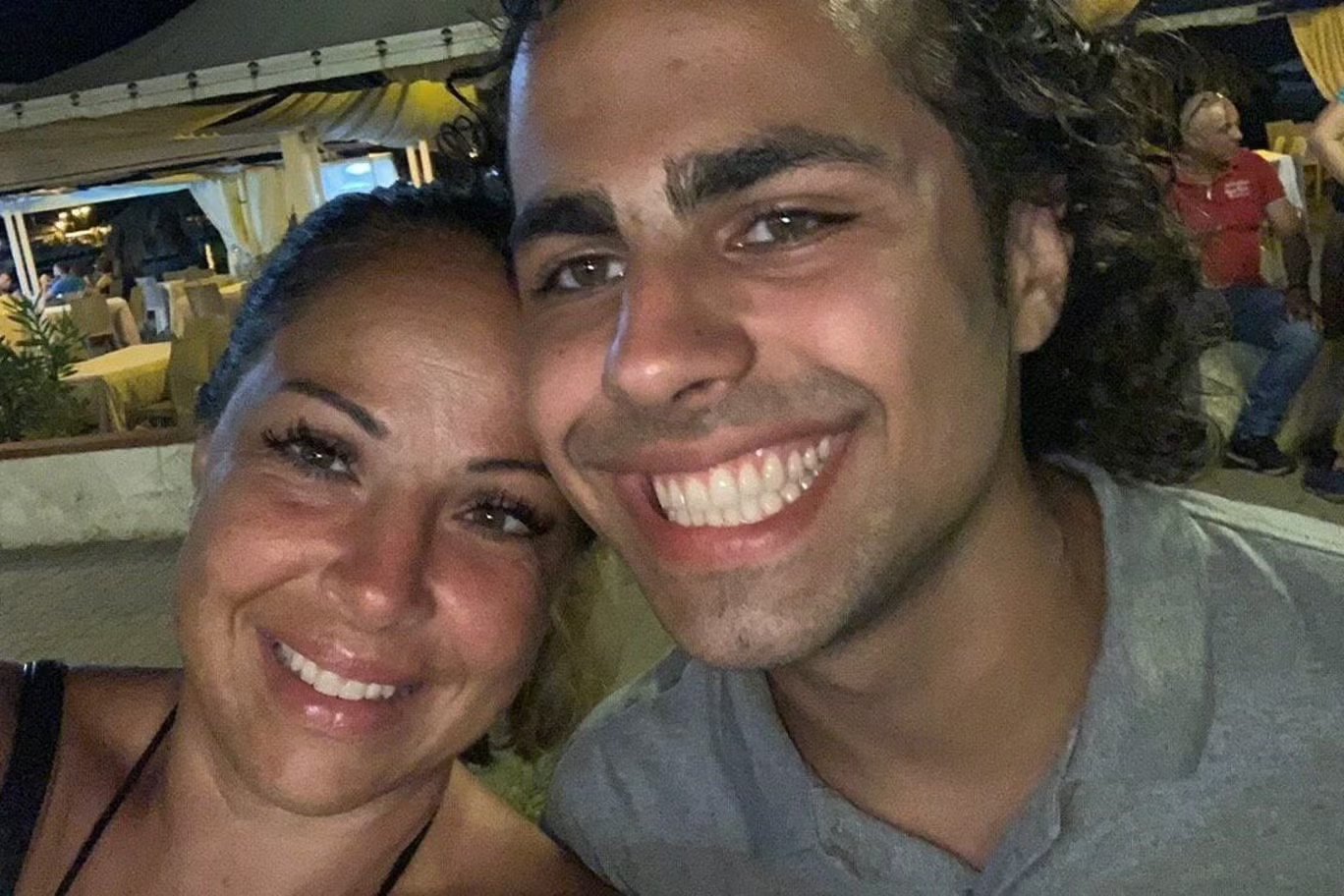
A heartbroken Canadian mother is demanding answers and calling for an overhaul of the country’s controversial euthanasia laws after her 26-year-old son, who was blind and living with diabetes, died through the government’s Medical Assistance in Dying (MAiD) program just days after Christmas.
Margaret Marsilla, hailing from Caledon, Ontario, says her world was shattered by a gut-wrenching phone call delivering the tragic news – her only son, Kiano Vafaeian, had been put to death with federal approval under a system she argues has failed the most vulnerable.
Marsilla’s despair is all the more profound because she believes there was hope for her son, and that the system that once intervened to save his life had, in his final days, turned around and sanctioned his death. “We fought tooth and nail to save Kiano years ago, and I thought we had made it through the storm,” she posted on Facebook, her words laced with sorrow and fury. “People surrounded him when he was lowest, when he couldn’t decide for himself, and he was given a second chance. Now, I must bury my child because the very system designed to protect him chose the path of least resistance—death over compassion and care.”
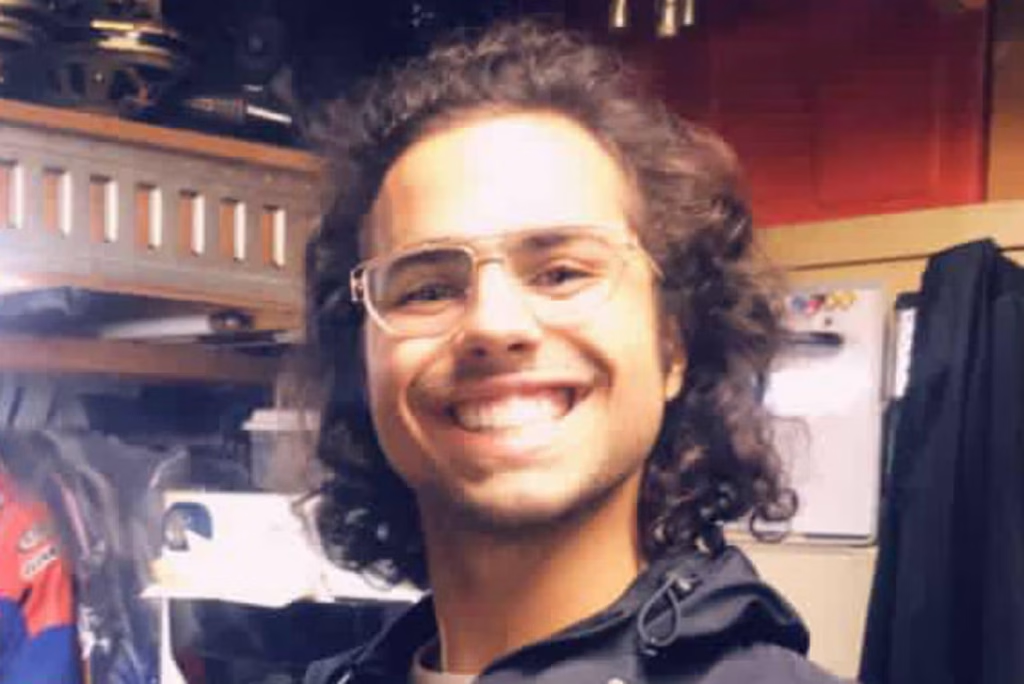
Kiano Vafaeian’s journey was marked by both light and dark, those close to him say. Diagnosed as a toddler with Type 1 diabetes, the bright-eyed boy from Maple faced a difficult hand from the start. Through his childhood, his mom tried everything she could to normalize his life. Kiano dodged the usual hurdles of diabetes with the help of sports, summer camps tailored for children with his condition, and martial arts lessons designed to boost confidence and resilience. Yet, as he grew, new struggles surfaced.
Margaret recounts the first clouds on Kiano’s horizon appearing when he was just eleven. “He was different. So sensitive, so volatile. One day he’d be overjoyed, the next, overcome by rage or despair,” she whispered, her voice raw and fatigued from years of worry and sleepless nights. The day his classmates started mocking him for finger-pricking his blood at school, she said, was the beginning of his social isolation. “I blamed the diabetes. He was battling two wars—one with his body and another with bullies.”
As adolescence approached, Kiano’s life became a revolving door of high schools. Grades tumbled, friendships fell apart, and his mental health seemed to spiral. “We saw the changes. The mood swings grew worse. It was not just diabetes anymore,” Margaret confessed. Friends and family started noticing Kiano becoming withdrawn. Rumors of drug use began to circulate but nothing was ever confirmed, she said. The family brushed it off at the time, but retrospectively, she wonders if those whispers were a cry for help.
Then, disaster struck. At 18, Kiano was involved in a serious car accident that left him with persistent pain. Doctors suggested either opioids or medicinal cannabis; Margaret, desperate to avoid addiction, supported the marijuana script. But instead of relief, the trauma and medication seemed to deepen his psychological struggles. Once outgoing and lively, Kiano began avoiding the outside world. He spent long afternoons training pit bulls and, eventually, blackout curtains went up in his apartment windows for privacy, or perhaps, as an attempt to shield himself from the world entirely.
Margaret’s family endured years of chaos—emotional breakdowns, hospital visits, frantic searches for therapy and support. By 2022, things reached a crisis point. Kiano, now legally blind in one eye due to diabetic complications and battling depression, applied to the MAiD program, seeking an end to his suffering. Initially, medical experts deemed him ineligible for euthanasia, citing his mental health issues and underlying treatable conditions. For Margaret, this was a lifeline. She and a team of supporters quickly mobilized, finding him mental health care and persuading him to give life another chance. “He was vulnerable, not thinking straight. We stepped in – that’s what families and communities should do when someone feels hope is lost,” she said.
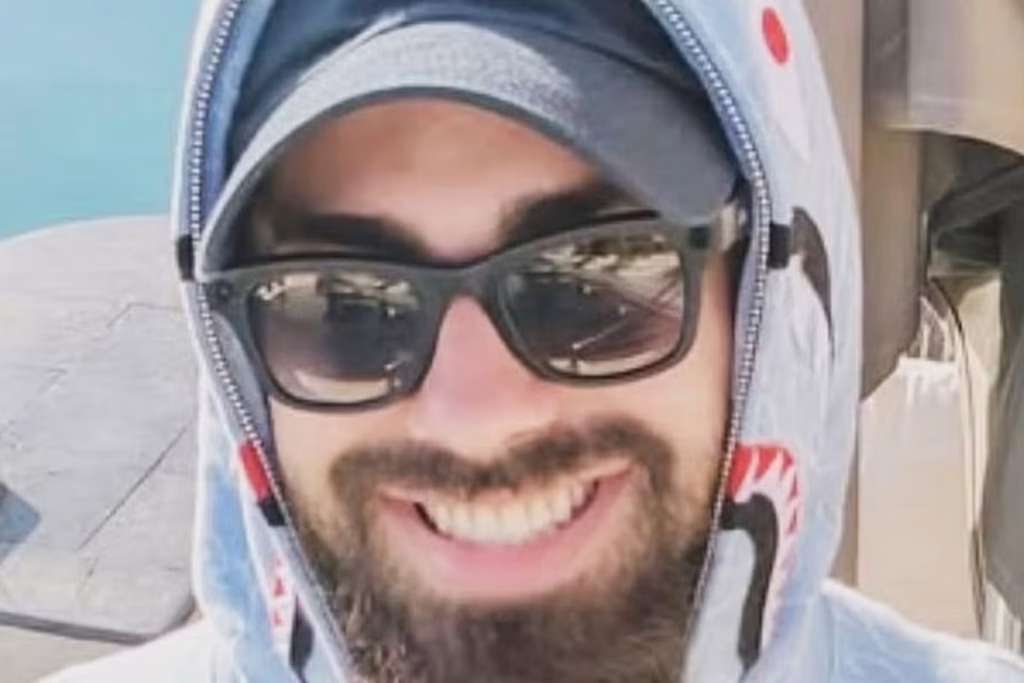
But the victory was short-lived. Just over a year later, everything changed. Unbeknownst to Margaret, her son renewed his MAiD application. This time, it was approved. Four days after Christmas, the unthinkable happened: Kiano was dead. The shock and anguish remain fresh for Margaret, who is now on a mission to ensure this never happens to another Canadian family.
“He didn’t have a terminal illness. He had battles—diabetes, blindness, depression—but he was not dying. He just needed real help, not a green light to end his life,” she told a local newspaper. “Where were the guardrails? The safeguards for people wrestling with their mental health or who have treatable medical conditions?”
Margaret’s outcry comes amid mounting scrutiny of Canada’s MAiD law, which has been hailed by some as a compassionate tool for those with terminal illness but condemned by others as dangerously lax. Critics argue that the program’s expansion to include non-terminal conditions, combined with the country’s beleaguered mental health system, leaves vulnerable people like Kiano at risk.
In a Facebook post that has been shared dozens of times, Margaret pledged to battle for reform: “I promise, I will fight for Kiano and for every parent terrified to answer the phone, worried their child might be next. I won’t let his death be in vain.”
Health Canada has yet to respond publicly to queries about Kiano’s death or what specific reviews, if any, will be conducted into his case. For now, Margaret Marsilla is left in mourning—and in a fury, determined to turn her grief into a call for change. “We’ve got to make sure no family has to face the agony of burying a child because the system failed to protect them. This wasn’t mercy. This was abandonment.”



