
President Donald Trump’s newly announced “Board of Peace” has barely gotten off the ground, and already foreign governments are publicly rejecting claims that they are part of it.
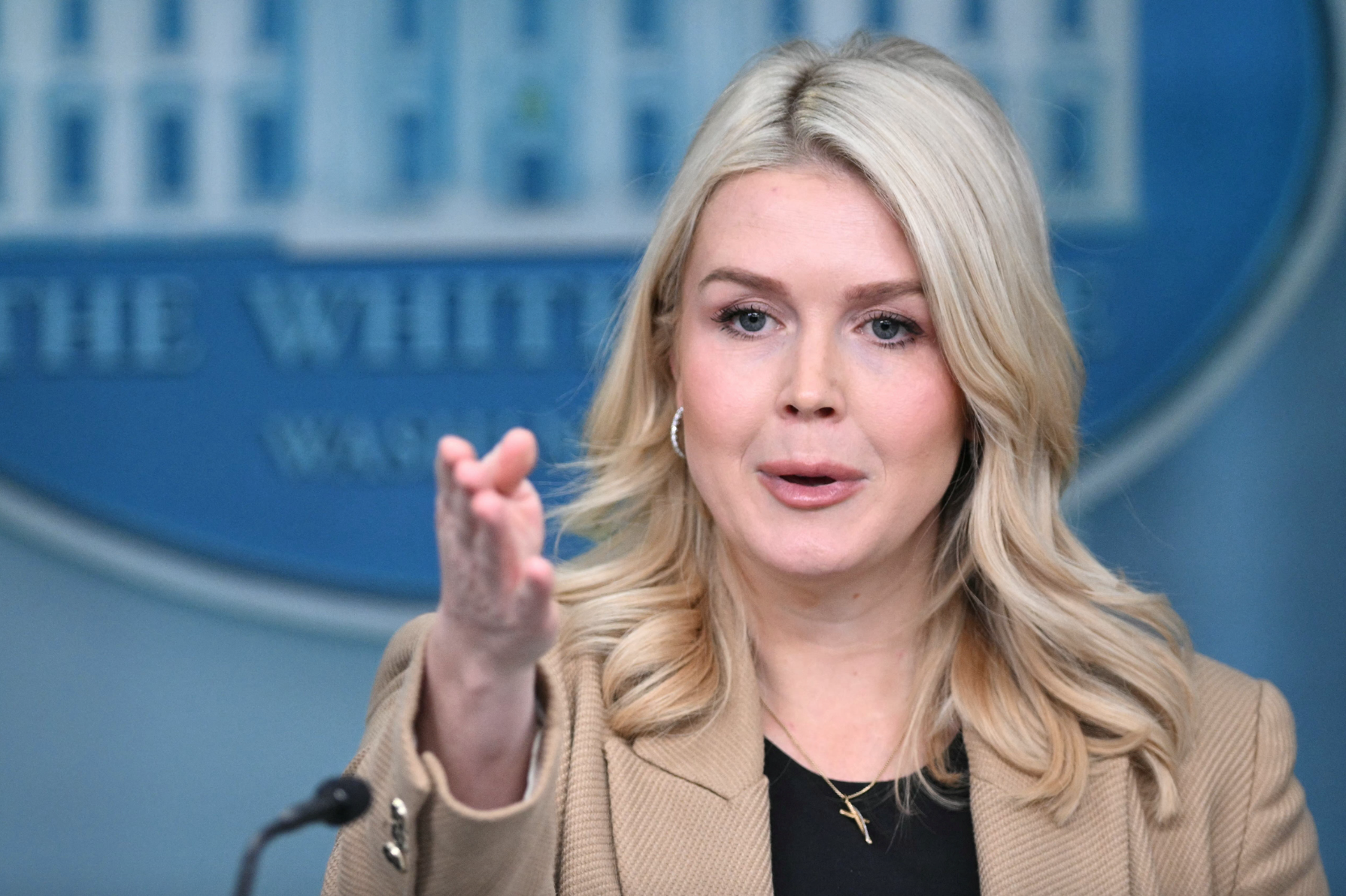
At a White House event establishing the new organization, press secretary Karoline Leavitt announced what she described as the board’s founding members, including Belgium. By Thursday morning, that assertion had been flatly contradicted by Belgium itself.

Belgian Foreign Minister Maxime Prévot wrote on X that his country had not signed on to the initiative, calling the White House announcement incorrect. Prévot said Belgium favors a coordinated European approach and, like many other countries in the region, has serious reservations about the proposal.

The Trump administration has pitched the Board of Peace as a new international body that would oversee a peaceful transition and redevelopment of Gaza following the devastating two-year war between Israel and Hamas. But experts who reviewed the group’s charter say the document raises more questions than answers.
Notably, the charter does not explicitly mention Gaza at all. Instead, analysts say it appears designed as a long-term alternative to the United Nations, granting sweeping authority to the board’s leadership. Critics warn that, if adopted widely, the structure would concentrate extraordinary diplomatic power in the hands of the U.S. president, effectively positioning Trump as a central arbiter of global affairs.
So far, that scenario appears unlikely. According to diplomatic sources, very few countries that have actually signed the charter are major world or even regional powers. Across Europe, governments have largely declined to participate, signaling discomfort with both the scope of the proposal and the way it has been rolled out.



