
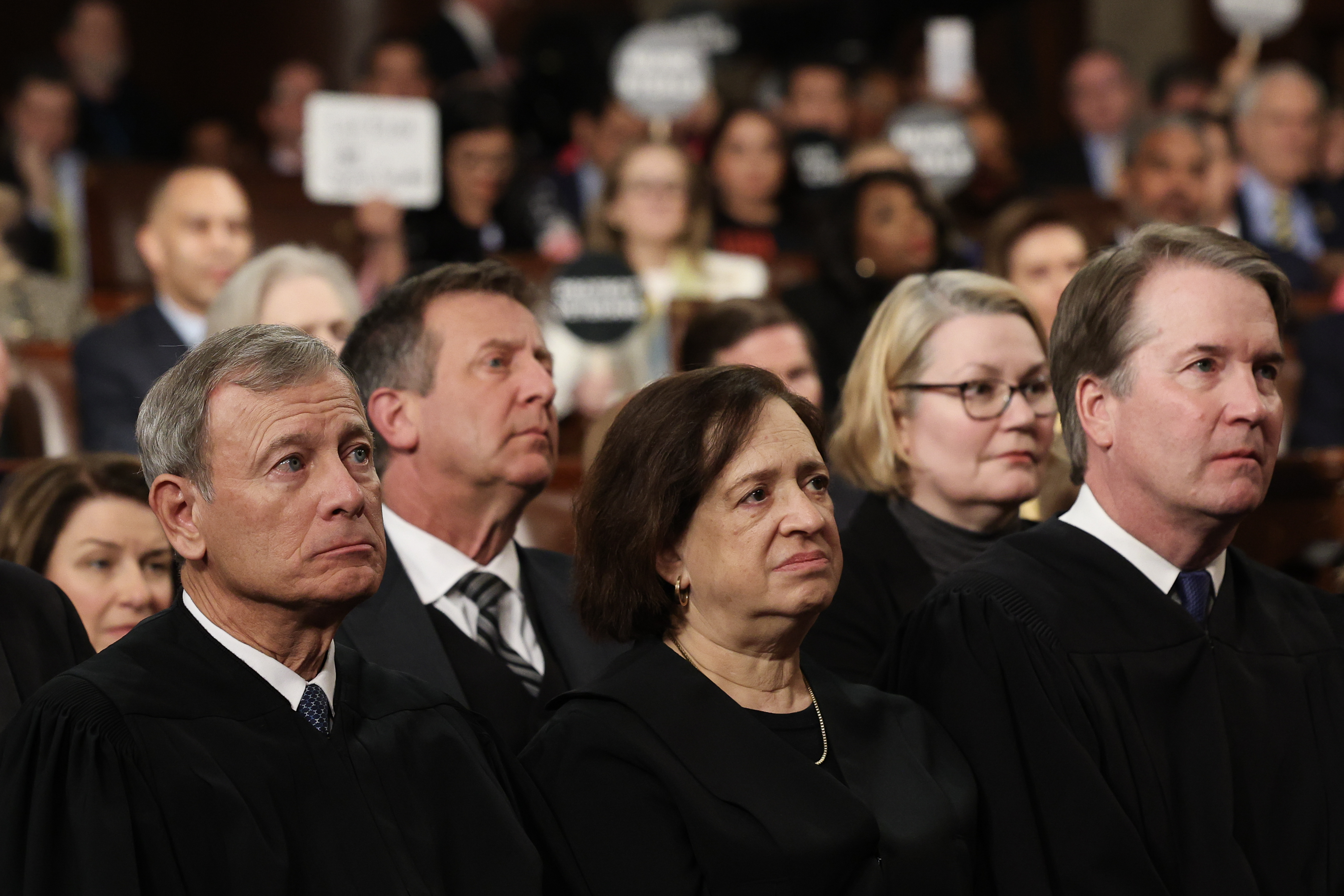
Supreme Court fireworks erupted Wednesday as Elena Kagan, one of the bench’s most reliably liberal voices, stunned court-watchers by siding with conservatives in a pivotal case over Illinois’ mail-in ballot counting procedures.
The decision, handed down January 14, 2026, saw Kagan aligning herself with the right-wing majority in a jaw-dropping 7-2 verdict in Bost v. Illinois State Board of Elections.
At the heart of the storm: a high-stakes challenge from candidates furious over Illinois’ rules on accepting ballots that arrive late. The court’s conservative bloc—Chief Justice John Roberts alongside Samuel Alito, Clarence Thomas, Neil Gorsuch and Brett Kavanaugh—joined forces to rule that the challengers simply didn’t have the legal standing to contest how the state accepts and counts tardy votes. Amy Coney Barrett, another prominent conservative, chimed in with her own concurring take, and—shockingly—Kagan signed on.

On the other end, Justices Ketanji Brown Jackson and Sonia Sotomayor tried to hold the progressive line with a blistering dissent. Jackson argued passionately that prospective officeholders have a unique and personal stake in the way ballots are counted, and insisted that their interests go far deeper than just winning or losing—they’re about the very fabric of democracy. Roberts, penning the majority’s stance, echoed concerns over electoral integrity, but shut down the idea that federal law was being trampled.
This breaking story has the judicial world buzzing. More updates are coming in as this controversial call sets new boundaries in state election law.



