
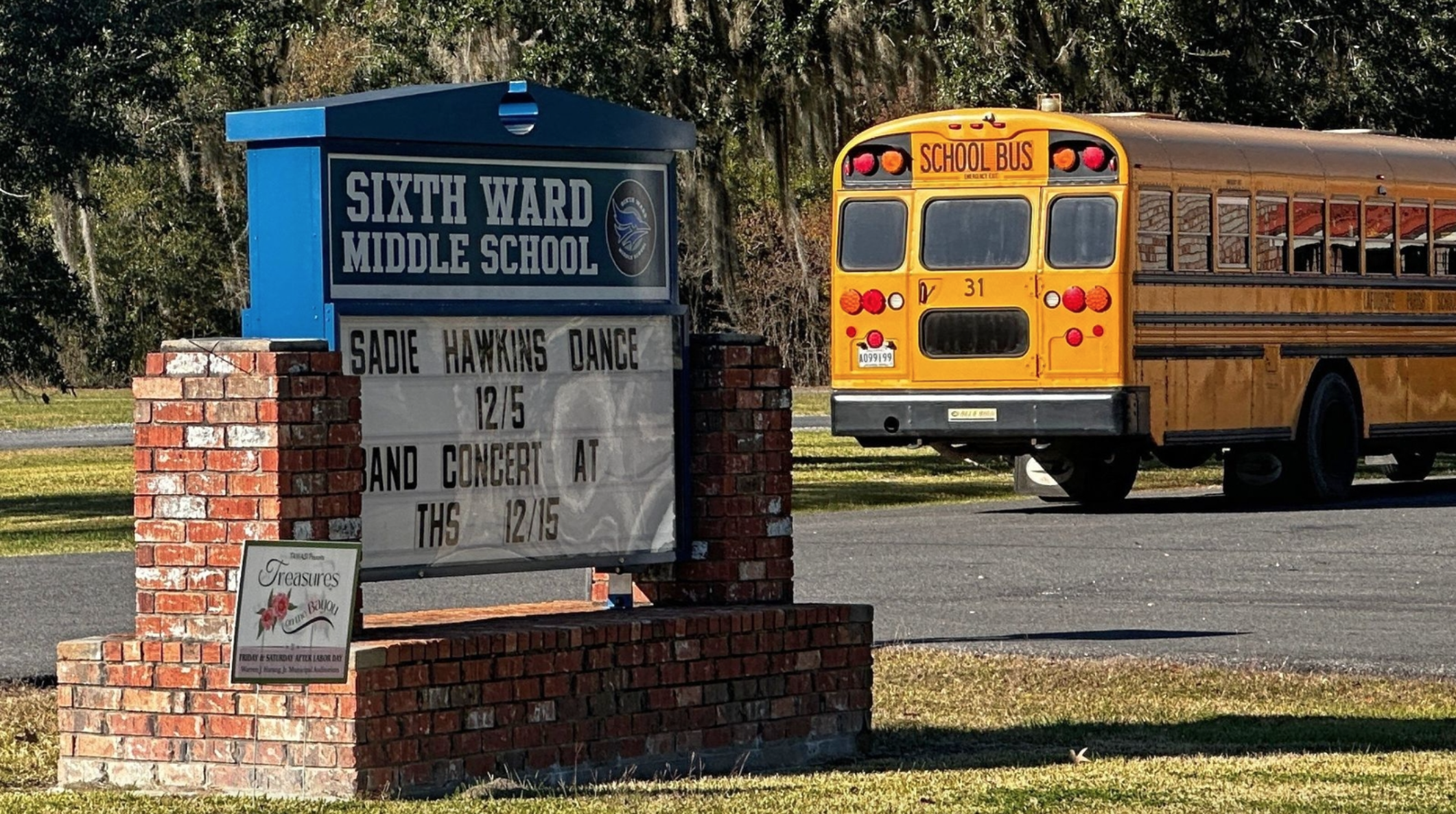
The images weren’t real. Everything that followed was.
At a Louisiana middle school, AI was used to create highly realistic fake images of students, transforming ordinary photos into humiliating digital fabrications that quickly spread through social media. The targets were eighth-grade girls. The consequences landed on one of them.
The altered images circulated on Snapchat, whispered about in hallways, and flashed briefly on phones before disappearing. Because the platform deletes content almost instantly, adults struggled to locate proof. School officials began to question whether the images existed at all.

Snapchat is a photo sharing and chat smart phone application used primarily by teenagers. Snap
Among students, there was no doubt.
The girls asked for help early. They went to a guidance counselor. A sheriff’s deputy assigned to the school searched social media. Nothing turned up. Without evidence in hand, administrators treated the reports as rumor.
By the end of the school day, the situation exploded.
When the 13-year-old stepped onto her school bus in Lafourche Parish, she saw a classmate showing one of the AI-generated images to another student. Familiar faces had been digitally altered and repurposed to embarrass and demean. Laughter followed.
“That’s when I got angry,” she later said at her disciplinary hearing.
After hours of being mocked about her body, watching the images circulate unchecked, and feeling dismissed by adults, she snapped. She slapped the boy. Then again. She asked aloud why she was the only one standing up. Other students joined in. The fight escalated. Phones recorded everything.
That moment — the physical confrontation — became the only visible evidence school officials acted on.
Despite having no prior disciplinary history, the girl was removed from Sixth Ward Middle School for more than ten weeks and sent to an alternative school. The boy she and others accused of creating or sharing the fake images was not sent with her. Her attorneys say he avoided school discipline entirely.
Weeks later, law enforcement reached a different conclusion.
Investigators confirmed that AI-generated explicit images had circulated involving eight female middle school students and two adults. Two boys were charged under a new Louisiana law that criminalizes the distribution of sexually explicit material created with artificial intelligence. The girl faced no criminal charges, based on what authorities described as the “totality of the circumstances.”
By then, the damage was already done.
Her father described the images as digitally altered content with real faces imposed onto explicit bodies — a process that once required technical expertise but is now accessible through widely available tools. Experts say this technology has radically lowered the barrier to severe digital harassment.
Schools, meanwhile, remain unprepared.
The district had only begun developing policies around artificial intelligence. Existing cyberbullying training dated back to 2018, long before realistic AI image manipulation became common. Guidance around AI focused on academics, not abuse.
Administrators initially dismissed the reports as hearsay. No students admitted responsibility. A deputy searched online and found nothing. By mid-afternoon, school leaders believed there were no images.
Fifteen minutes later, they were visible on a phone in plain sight.

Exterior cameras will be mounted on School Buses used in the City of Yonkers, to transport children to and from schools, pictured Oct.12, 2023. The cameras will operate when the school bus stop-arm is extended and lights are flashing, to record violators passing the bus.
Video from the bus showed multiple students passing the images around. The girl, overwhelmed and humiliated, lost control. That reaction — not the digital harassment that triggered it — defined the school’s response.
At the alternative school, she began to unravel. She stopped eating. She couldn’t concentrate. She fell behind on assignments. For days, no one noticed. Depression and anxiety followed. Therapy came later.
“She felt like she was victimized multiple times,” her father said. “By the images, by not being believed, and by being punished.”
An appeal eventually reached the school board weeks later. Members acknowledged what she endured and allowed her to return to campus. But consequences remain: probation, no sports, no dances, no extracurricular activities. She missed basketball tryouts. Her social life fractured.
The boys charged face court proceedings. The girl carries the fallout into high school.
Experts say the case illustrates a growing gap between how quickly technology can harm children and how slowly institutions respond. When abuse is digital and fleeting, adults often wait for something visible. By then, the damage is already done.
The images were fake.
The consequences were real.



