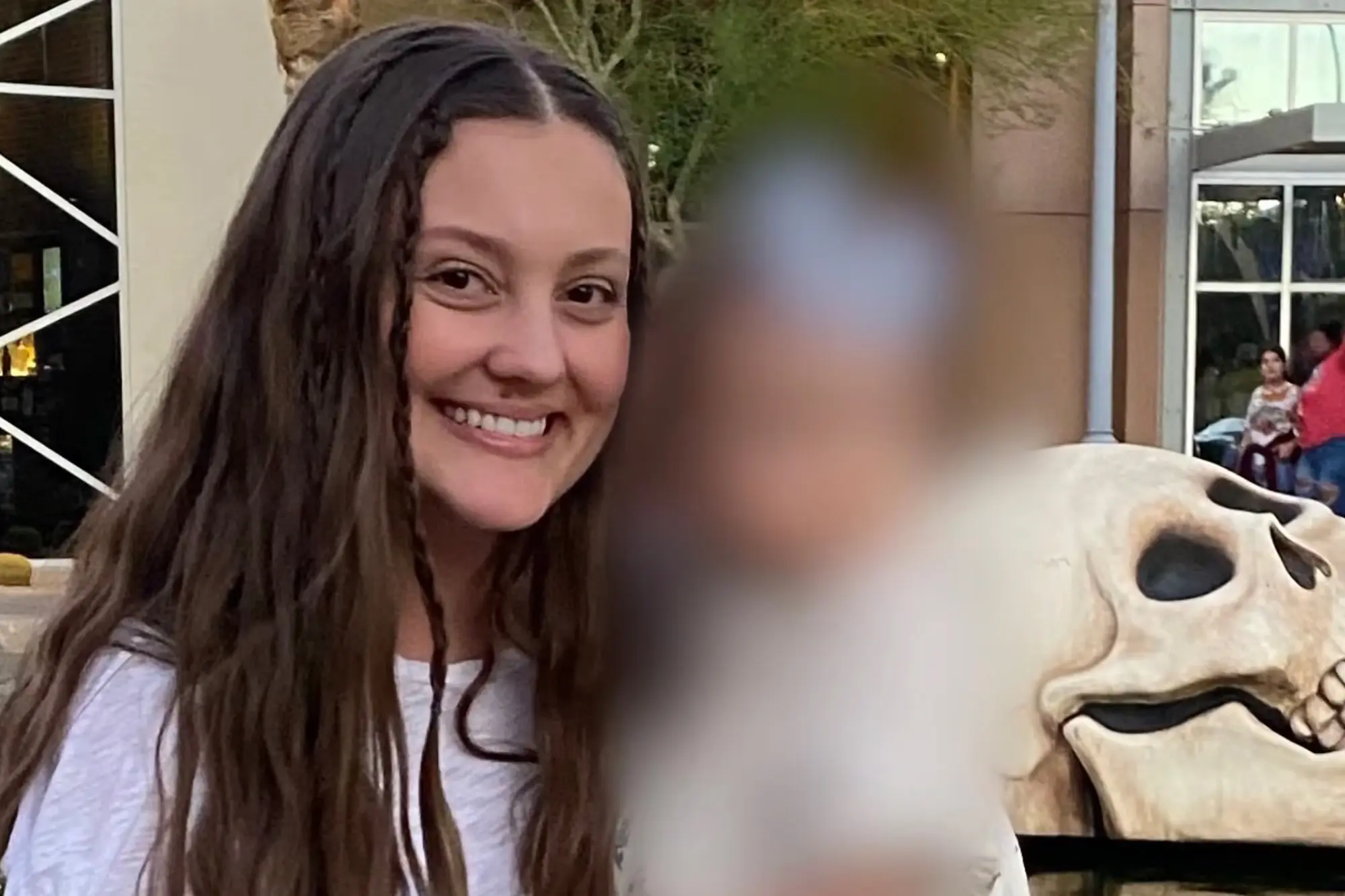
Wisconsin toddler Annie Garner, now three years old, was born without ears, struggles with weak eyesight, and faces hurdles most can hardly imagine—yet she’s beating the odds. Annie’s parents, Casey and Leah Garner, got the joyous call to adopt her in 2022 after their long battle with infertility, only to discover at the hospital that their new daughter not only lacked ears but had muscle and developmental difficulties, too.
But this family wasn’t about to give up. They landed a spot in the Wisconsin Deafblind Technical Assistance Project, a state-backed initiative offering hands-on resources for kids dealing with complex disabilities like Annie’s. The lifeline helped Casey and Leah master American Sign Language under the guidance of a deaf mentor. Soon, they were communicating with Annie in ways they never thought possible. The program also put them in touch with other families riding this rollercoaster, and even helped Annie bond with another little girl who shares her rare condition.
“We’re talking about incredibly vulnerable kids. Why turn your back on them?” Casey fumed to The New York Times. Despite everything, Annie is now thriving. She and her friend—also deafblind—meet up regularly, forming a friendship their parents cherish amid adversity.

Casey Garner
But trouble is looming. Just last September, Annie’s lifeline was sliced when the Trump administration yanked a nearly $1 million federal grant. The reason? The program’s ties to diversity, equity, and inclusion (DEI) sparked outrage from officials eager to dismantle such efforts.
For the Garners and families like theirs, the emergency replacement funds are only temporary—a ticking clock set to expire next year. The National Center on Deafblindness stresses that kids like Annie need early specialist intervention. Now, with funding drying up fast, parents and advocates are sounding the alarm, demanding answers as their children’s crucial support hangs in the balance.